

We have seen a technician lose an entire shift chasing a fault that turned out to be a single loose wire. Our team has worked through countless avionics maintenance cases over the years, and the same seven lessons keep surfacing. Top 7 practical lessons about avionics are less about memorising every box and more about the habits you build while troubleshooting. What follows reflects our own hangar and workshop experience, not an official standard, so always confirm figures and procedures against the manufacturer’s documentation before acting on them.
The short answer: which lessons matter most?

The seven lessons we return to most often are these: verify power before touching a system, read wiring diagrams alongside fault codes, test every repair before closing the panel, control software configuration tightly, protect signal cables from electrical noise, log faults consistently, and keep learning as the technology changes. We ranked them against three criteria. The first is how often they appear in day-to-day maintenance. The second is how much they affect safety margins. The third is whether they apply equally well in a small independent workshop and in a large operator’s hangar.
Why we chose these lessons and who they serve

We did not pick these lessons because they sound impressive in a presentation. We picked them because our technicians keep running into them, often at the worst possible moment. Students of aircraft engineering will find them a useful bridge between classroom theory and the hangar floor. Newly qualified technicians will recognise the mistakes they are most likely to make in their first year. Maintenance managers can use them as concrete talking points when designing training programmes.
None of this replaces formal training or the regulations set by your national aviation authority. Think of these points as reminders from people who have stood exactly where you are now, with a fault code on the screen and a deadline on the work order.
Check the power first, because it is the usual culprit

Power is the first thing to go wrong and, oddly, often the last thing anyone checks. A connector seated at a slight angle, a breaker never reset after an earlier task, or a bus wired to the wrong source can each produce symptoms that look exactly like a failed unit. One of our technicians replaced a perfectly serviceable display twice before anyone measured the supply voltage at the connector. The display was never the problem.
The routine is simple. Confirm the aircraft’s power configuration, verify the supply at the unit connector, and only then begin swapping parts. The exact voltages and sequences depend on the aircraft type, so take the figures from the maintenance manual for your model rather than relying on memory from a previous job.
Reading wiring diagrams and fault codes side by side

A story we hear often goes like this. A fault code points to a sensor, the sensor is replaced, and the fault returns within a few flights. The sensor was fine; the wiring was not. A fault code tells you what the system believes is wrong, while the wiring diagram shows how the signal actually travels through the aircraft. You need both open at the same time to find the gap between them.
Cross-check every pin named in the code’s description against the drawing. Then confirm that the connector revision installed on the aircraft matches the diagram you are reading. Outdated drawings have sent our people chasing ghosts for hours, so note the revision date before you begin and raise a query if anything does not line up.
Test every repair before you close the panel

Functional testing can feel like extra paperwork, right up until the day it catches a mistake. A replaced unit may power up, show no fault message and still fail under the load of real flight conditions. On the ground, testing is the only reliable way to find that out before the aircraft leaves the stand.
- Run the function test called for in the manual, not a shortened version remembered from a similar aircraft.
- Confirm the indication, the output signal and any calibration values.
- Record the result against the work order so the next technician knows exactly what was verified.
Software and configuration: small mismatches cause big trouble

Avionics software is tied to specific hardware part numbers, and a version that works on one unit may behave differently on another. We once saw an update loaded onto the wrong hardware revision. The system looked healthy through every ground check and only misbehaved after a particular mode was selected in flight. Configuration data can also drift away from what is actually installed, which is far harder to notice than a broken wire.
Keep a clear record of software versions and configuration modules for every aircraft in your care. When you change something, note the old version, the new version and the reason. That discipline turns a future investigation from a week of guesswork into an afternoon of reading. Confirm the update rules with your authority, since requirements differ between jurisdictions.
Protecting signal cables from electrical noise
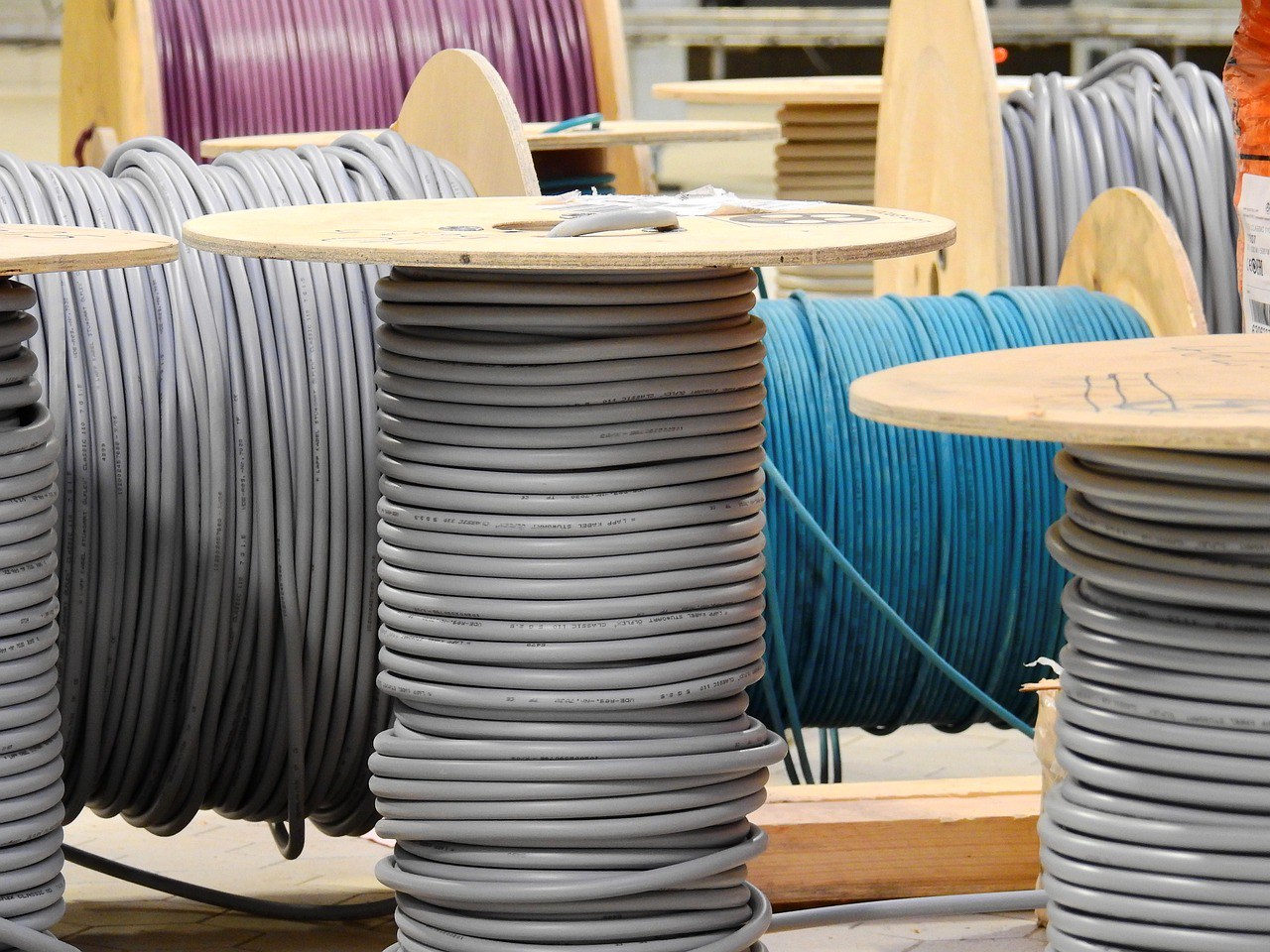
Electrical noise is the quiet problem. A signal that looks slightly unstable one day may be caused by a cable routed too close to a high-current power run, or by a bonding point that loosened gradually through vibration. Noise rarely announces itself with a clean fault code, which is exactly why technicians tend to blame the nearest box and replace it.
Keep signal runs separated from heavy power wiring wherever the installation design allows. Check bonding and ground points for resistance and tightness, and terminate shielding exactly as the drawing specifies. How much these measures help depends on how the aircraft was originally installed, so verify against the installation instructions rather than assuming the routing is sound.
Logging faults so the pattern becomes visible
A single fault is an irritation. The same fault appearing every few weeks is a pattern, and patterns are how root causes get found. Good logs turn scattered visits into a story anyone can read, and they let a new technician pick up a difficult case without starting from zero.
Three fields do most of the work. Record the fault code and when it appeared, so you can see whether it repeats. Record the action taken, including parts replaced and checks made, so nobody repeats the same work. Record the post-check result, so you know the fault was genuinely cleared rather than hidden. These entries belong in your maintenance management system, not in a notebook only one person can read.
Keep learning, because avionics keeps moving
Avionics has steadily shifted toward digital systems and fly-by-wire architectures, and the tools around them change with it. A technician who trained on analogue equipment will find that newer systems rely on data buses, software loads and diagnostic databases in quite different ways. The habit of learning does not really end once you are qualified.
Learn from your own jobs too. After a difficult case, write down what misled you and what finally worked. Prefer official manuals and recognised training over unverified forum advice, and when a source is unclear, confirm the details with the manufacturer before relying on them in the hangar. For broader context on how flight-critical systems are designed and certified, the European Union Aviation Safety Agency publishes reference material that is worth comparing against the manuals for your own aircraft.
Where to go next
If you want to see how these systems fit into aircraft engineering as a whole, our aviation technology section covers sensor integration and flight control in more depth. Our piece on sensor fusion for autonomous flight looks at how multiple data sources are combined, which connects directly to the signal-integrity points above. And if you are planning a training programme, our services page outlines how we support technical teams in the field.
Frequently asked questions
Where should a newcomer to avionics begin?
Start with electrical fundamentals: voltage, current, grounding and how connectors are built. Then move on to reading wiring diagrams under supervision. Shadowing an experienced technician on live faults teaches more than any single textbook, so ask to be included in troubleshooting rather than only routine tasks.
Do I need a certificate to work on avionics systems?
Requirements depend on your country, the type of work and the aircraft involved. In most places, work on certified aircraft must be carried out by appropriately licensed or authorised personnel. Check with your national aviation authority, because those rules are set there rather than in this article.
What is the most common avionics fault in a maintenance shop?
In our experience, connection and wiring problems appear most often, followed by configuration mismatches after software work. The exact mix varies by fleet and operating environment, so track your own shop’s data to see what dominates your workload.
How can I tell whether a wiring diagram is up to date?
Compare the revision level printed on the drawing with the current revision in the aircraft documentation index. If they do not match, or the drawing shows a connector that differs from what you see on the aircraft, stop and request the current version before continuing the work.