
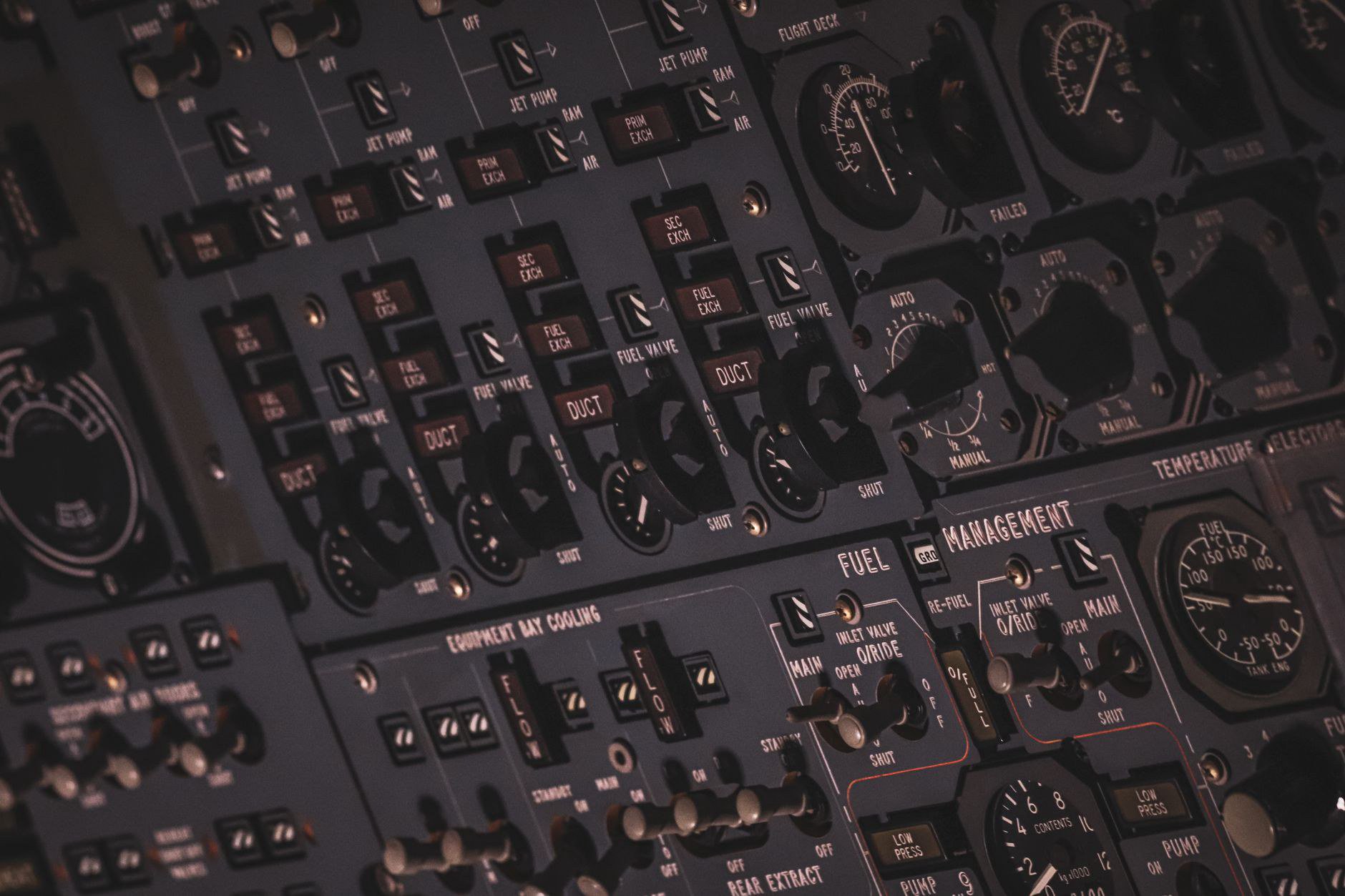
Avionics sensor fusion autonomous flight systems combine measurements from several sources to estimate aircraft state and understand the operating environment. No single sensor can provide every answer in all weather, phases of flight, and failure conditions.
Fusion is therefore more than averaging data. The system must align timestamps, model uncertainty, detect disagreement, isolate faults, and deliver estimates with known integrity to guidance and control functions.
Avionics Sensor Fusion Autonomous Flight Architecture
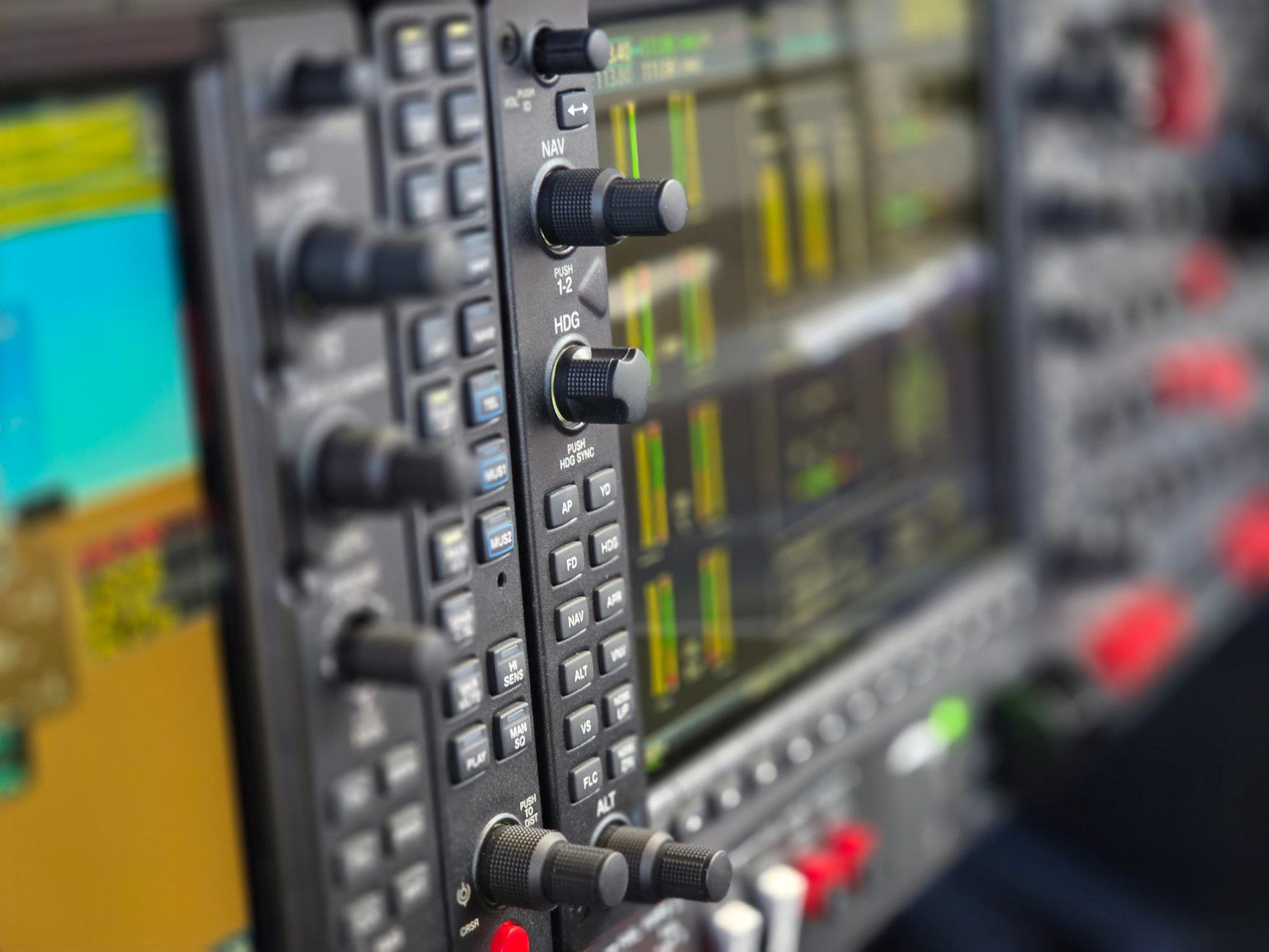
A typical architecture combines inertial measurements, satellite navigation, air data, radar altitude, vision, traffic surveillance, and vehicle-health inputs. Each source has strengths and failure modes.
Inertial sensors respond quickly but drift over time. Satellite navigation provides long-term position accuracy but can be blocked, jammed, or degraded. Air-data sensors support speed and altitude estimation but depend on clear probes and valid atmospheric models.
Fusion uses complementary behavior to maintain a better estimate than any isolated sensor can provide.
State Estimation at the Core
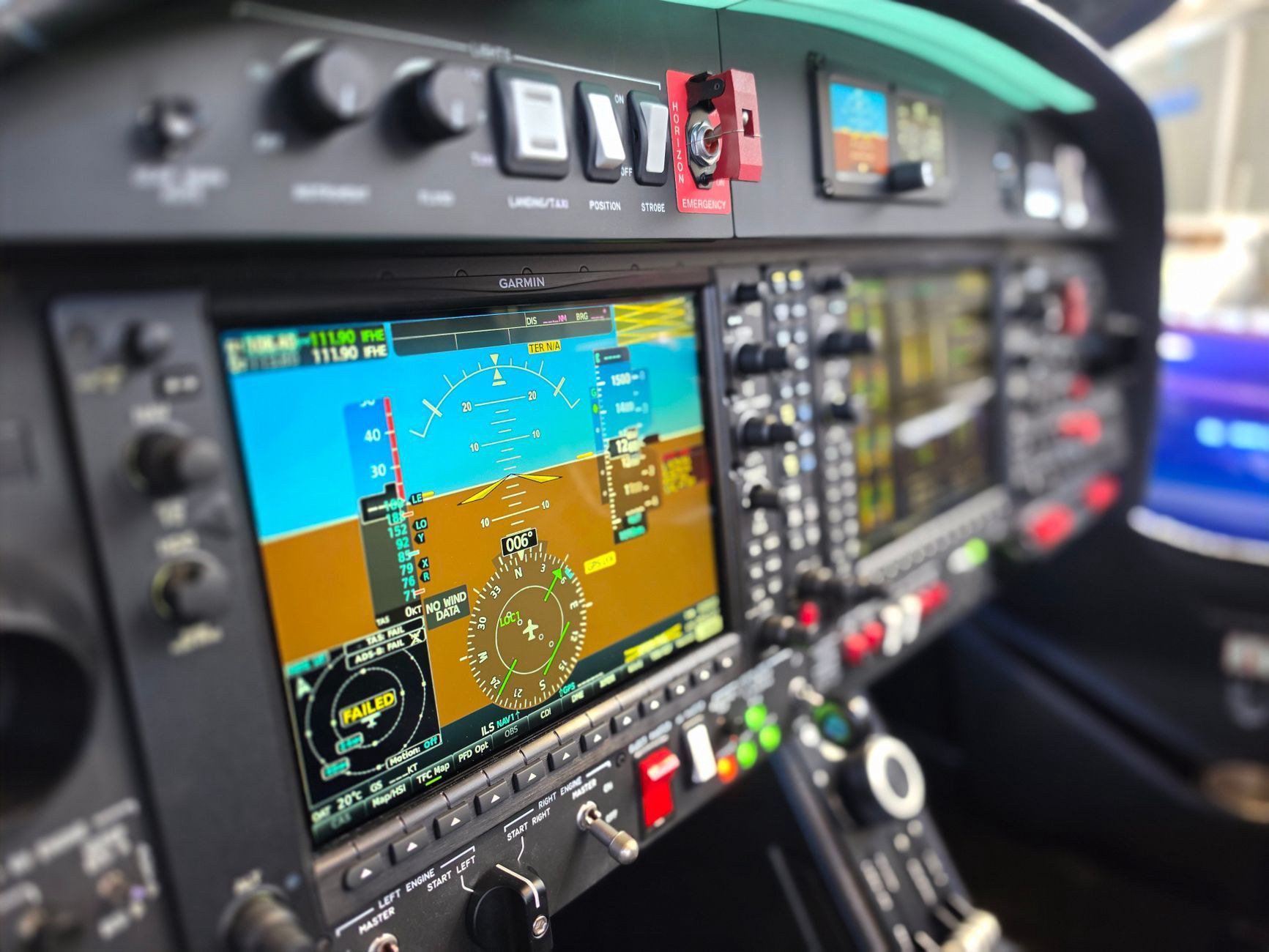
The flight system needs position, velocity, attitude, angular rate, and often wind or bias estimates. Filters compare predicted motion with new measurements and update the state according to estimated uncertainty.
Kalman-filter variants are common, but implementation matters more than the label. Models, covariance tuning, timing, numerical stability, and fault logic determine real performance.
Estimates must include confidence. Guidance should know whether position is precise, degraded, or unavailable rather than receiving an apparently exact number with hidden uncertainty.
Time Synchronization
Sensors sample at different rates and deliver data with different delays. A camera frame, radar return, and inertial measurement may describe the world at different moments.
Accurate timestamps and deterministic transport let the fusion system align measurements. Uncompensated latency can appear as position or attitude error, especially during rapid maneuvers.
Testing should include delayed, reordered, and missing messages. Nominal timing alone does not demonstrate robust behavior.
Navigation in Degraded GNSS Conditions
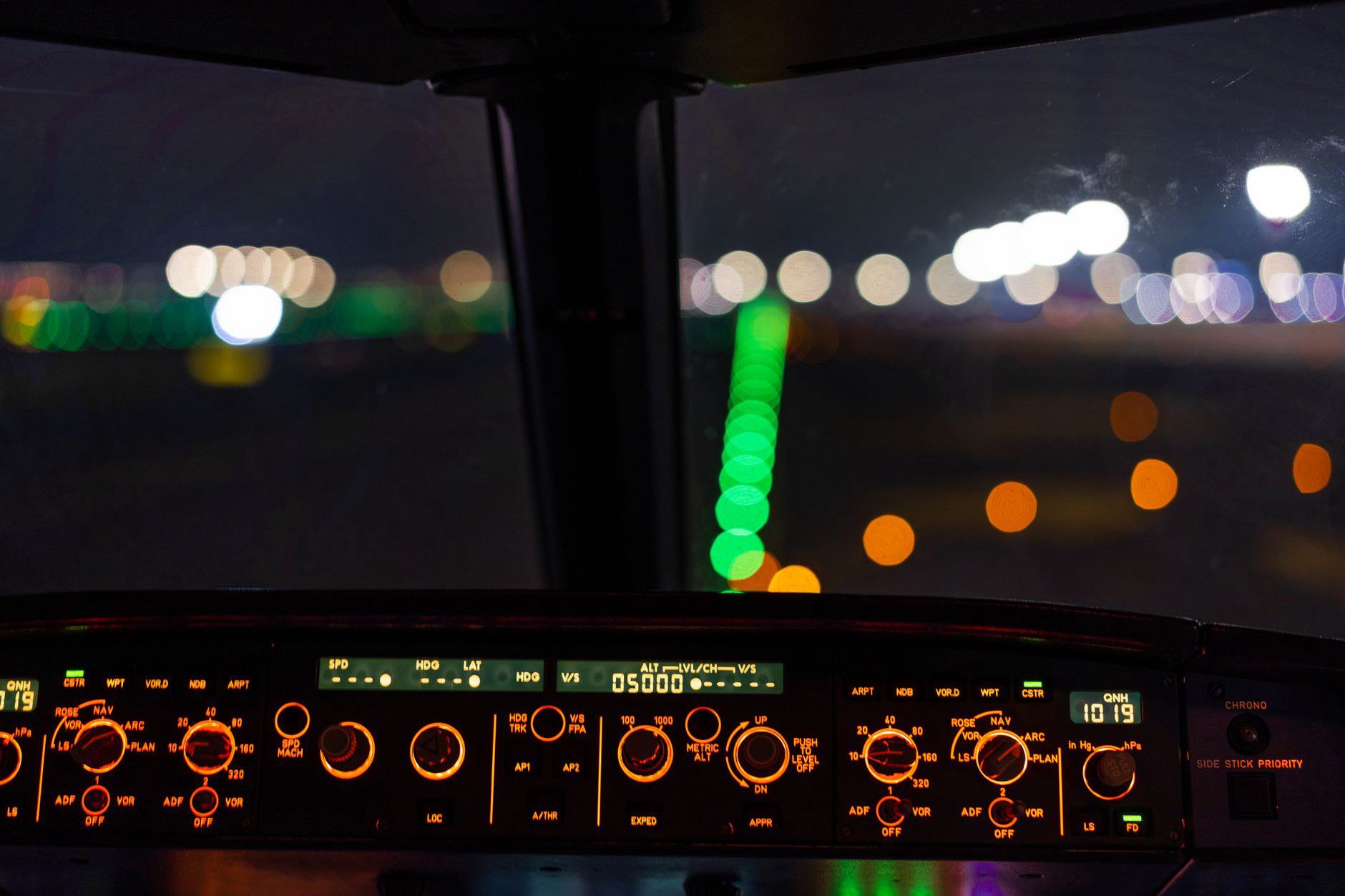
Autonomous aircraft cannot assume uninterrupted satellite navigation. Urban structures, terrain, interference, antenna faults, and deliberate jamming can degrade the signal.
Inertial navigation bridges short outages. Vision, terrain matching, radar, radio navigation, or cooperative positioning may add constraints. The correct combination depends on mission, altitude, weather, and certification basis.
The system must also recognize spoofed or inconsistent navigation data. A smooth but false signal can be more dangerous than an obvious loss.
Vision and Radar Provide Context
Cameras can detect runways, obstacles, landmarks, and visual motion. Their performance depends on light, weather, lens condition, contrast, and training data. Radar can provide range and relative motion in conditions where cameras struggle, but brings its own clutter and resolution limits.
Fusion should preserve the distinct confidence of each source. A weak visual detection should not silently override a reliable geometric measurement.
Machine-learning perception is part of the wider cockpit evolution discussed in our feature on AI-enhanced flight decks.
Fault Detection and Isolation
Redundant sensors can disagree. The system needs residual checks, plausibility limits, cross-channel comparison, and models of expected behavior to identify the faulty source.
Common-mode failures are harder. Two sensors can share power, software, environmental exposure, or reference data. Architectural independence must be considered during design, not assumed from sensor count.
When isolation is uncertain, the system should degrade conservatively and tell downstream functions which capabilities remain valid.
Integrity for Safety-Critical Decisions
An autonomous system may use fused data to avoid terrain, maintain separation, land, or reject a takeoff. These decisions demand integrity as well as accuracy.
Integrity monitoring asks whether the estimate can be trusted within a bound. The system needs alert thresholds and response times matched to the hazard.
Certification evidence must connect sensor behavior, algorithms, hardware, software, operational assumptions, and failure responses.
Environmental Qualification
Sensors face vibration, temperature extremes, moisture, electromagnetic interference, icing, and contamination. A laboratory algorithm can perform well while its real inputs deteriorate in flight conditions.
Installation geometry also matters. Flexing structures, vibration modes, airflow disturbance, and antenna shadowing can bias measurements.
Precision hardware production and installation practices connect with the broader aerospace engineering and machining discipline required around flight-critical equipment.
Health Monitoring and Maintenance
Fusion systems can track slowly changing bias, noise, and calibration parameters. These trends may reveal degradation before a sensor fails completely.
Maintenance teams need interpretable fault records. A generic “fusion invalid” message is less useful than evidence identifying the suspect channel, timing anomaly, or environmental condition.
Digital models can connect in-service data with maintenance planning. Our analysis of predictive digital twins for fleet reliability explores that operational layer.
Simulation and Scenario Coverage
Testing must cover normal flights, sensor dropouts, drift, frozen values, false targets, corrupted timestamps, interference, poor visibility, and combinations of faults.
Hardware-in-the-loop rigs let real computers and interfaces operate against simulated aircraft and sensor environments. Flight testing then validates models and exposes installation effects.
Scenario libraries should include edge cases near transitions, such as takeoff, approach, hover, or mode changes. These are moments when timing and confidence can change quickly.
Human Supervision and Explainability
Even highly autonomous aircraft may operate with pilots, remote supervisors, maintainers, or air-traffic coordination. Those people need clear information about system state and uncertainty.
Displays should distinguish a normal estimate from a degraded one and explain operational consequences. Excess technical detail can overwhelm; a vague status can conceal risk.
Travel resources such as Fly PGA represent the passenger-facing aviation ecosystem, while sensor-fusion assurance remains an engineering function beneath the service.
Designing for Controlled Degradation
The central question is not whether every sensor always works. It is how the aircraft behaves when information becomes incomplete or contradictory.
Fallback modes may restrict route, speed, altitude, weather, or landing options. Safe autonomy depends on recognizing when the system no longer has enough trustworthy information for the original mission.
Avionics sensor fusion autonomous flight succeeds when estimates remain accurate, uncertainty stays visible, faults are contained, and the aircraft degrades predictably. The algorithms matter, but so do timing, installation, redundancy, maintenance, verification, and operational limits.