
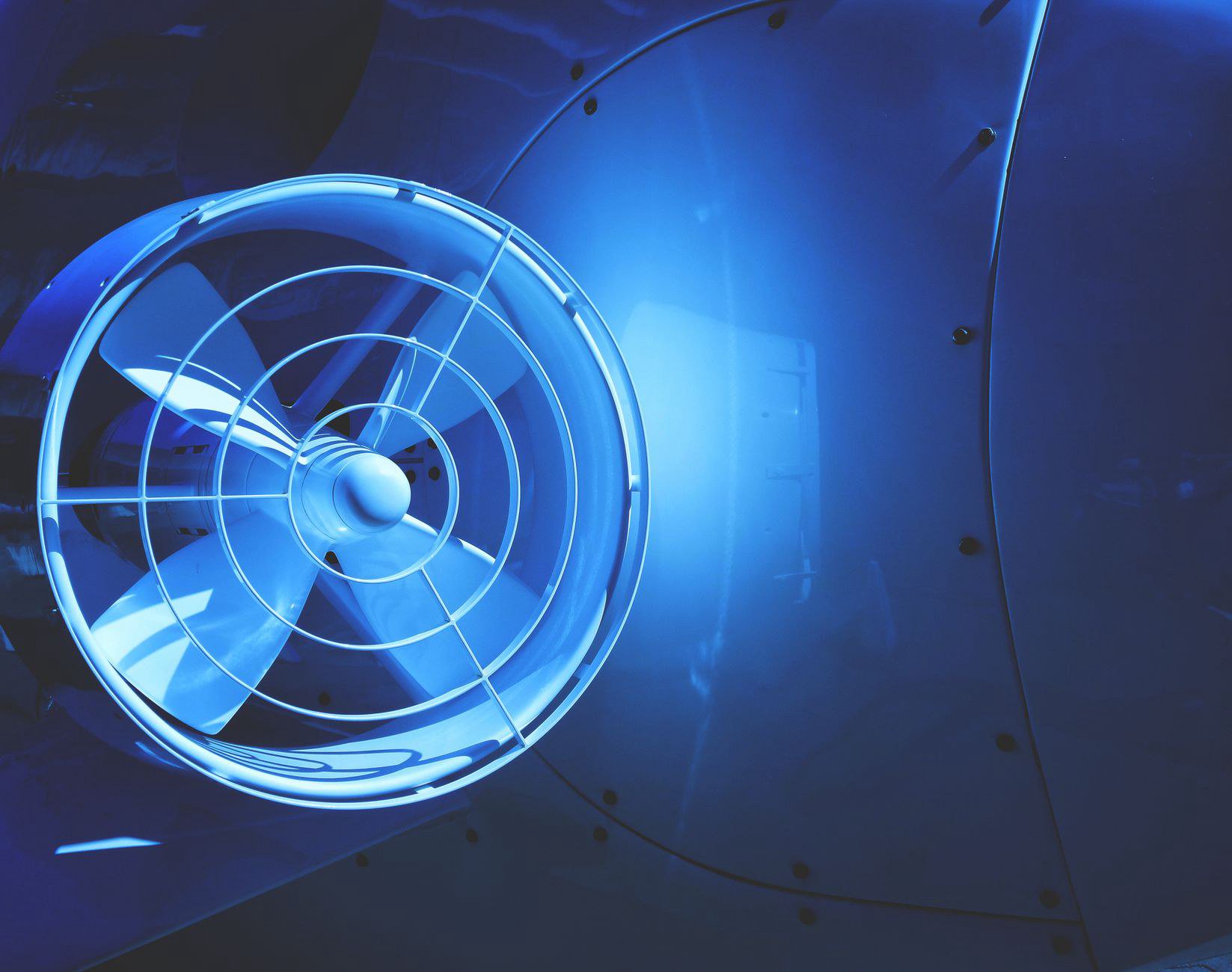
Implementing advanced electric propulsion systems sustainable aviation technologies represents the most promising pathway to decarbonizing commercial air transport. Rising fuel costs and stringent international emissions caps drive the aerospace sector toward radical propulsion redesigns. Electric motors deliver exceptional energy conversion efficiencies exceeding ninety-five percent. This engineering guide examines electromagnetic machine design, energy storage densities, thermal dissipation strategies, and regulatory certification requirements.
The transition away from hydrocarbon fuels requires reimagining airframe and powertrain integration from first principles. High-power density electric motors enable distributed propulsion architectures that were impossible with conventional turbofans. Integrating aerodynamic innovations alongside lightweight sustainable airframe structures unlocks unprecedented regional aircraft efficiency.
Electric Propulsion Architectures: Pure Electric versus Hybrid-Electric
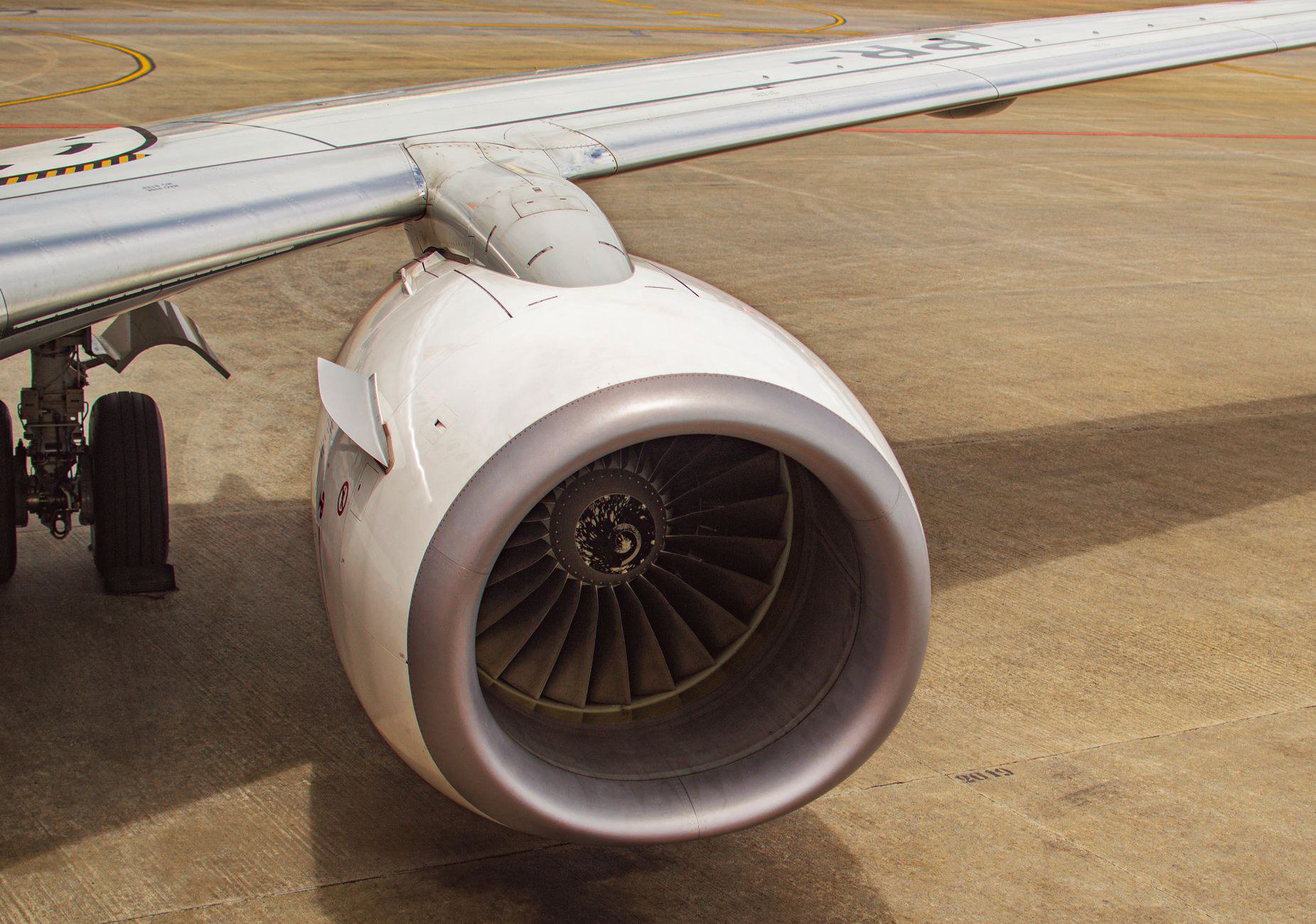
Aviation propulsion architectures divide into all-electric, parallel hybrid, and series hybrid configurations. All-electric powertrains utilize battery packs directly driving electric motors. This zero-emission approach currently serves short-range flight training aircraft and urban air mobility concepts.
However, battery weight limits pure electric flight ranges on commercial routes. Parallel hybrid architectures combine internal combustion gas turbines with electric motor boosters on the main drive shaft. Electric power assists during high-thrust takeoff and climb segments. Once at cruising altitudes, the gas turbine operates at its optimum thermodynamic efficiency point.
Series hybrid systems utilize a turbine generator to produce electrical current in flight. Electric propulsion fans provide direct aerodynamic thrust without mechanical drive shafts. This layout allows aerospace designers to position thrust units across the wing to maximize boundary layer ingestion benefits.
Energy Density Challenges and Battery Chemistries
Gravimetric energy density remains the primary technical bottleneck for pure electric commercial aviation. Aviation jet fuel provides an energy density around twelve thousand watt-hours per kilogram. Conversely, contemporary commercial lithium-ion cells achieve only two hundred and eighty watt-hours per kilogram.
Aerospace battery research focuses on solid-state lithium-metal and lithium-sulfur chemistries. Solid-state electrolytes eliminate flammable liquid solvents and tolerate higher operating temperatures. Target energy densities around five hundred watt-hours per kilogram will enable regional passenger routes up to five hundred miles.
Battery packaging requires robust thermal runaway containment. High-impact ceramic barrier blankets isolate adjacent cells during catastrophic internal shorts. Rapid gas venting channels exhaust toxic pyrolysis vapors outside the aircraft pressure vessel safely.
High-Power Electric Motors and Electromagnetic Design

Aerospace electric motors must achieve power densities exceeding ten kilowatts per kilogram. Permanent magnet synchronous machines dominate current aerospace flight demonstrators. Halbach array magnet configurations concentrate magnetic flux while minimizing rotor back-iron mass.
Stator windings utilize rectangular copper hairpin conductors rather than traditional round wire coils. Hairpin architecture achieves slot fill factors above seventy percent, reducing copper resistive losses significantly. Advanced cobalt-iron stator laminations provide high magnetic saturation limits under severe electrical loading.
Direct-drive motor layouts eliminate heavy mechanical reduction gearboxes entirely. Lower component counts reduce maintenance downtime and eliminate oil lubrication systems. These propulsion advancements align directly with broader aviation technology advancements across transport manufacturing.
Power Electronics, Wide Bandgap Inverters, and High Voltages
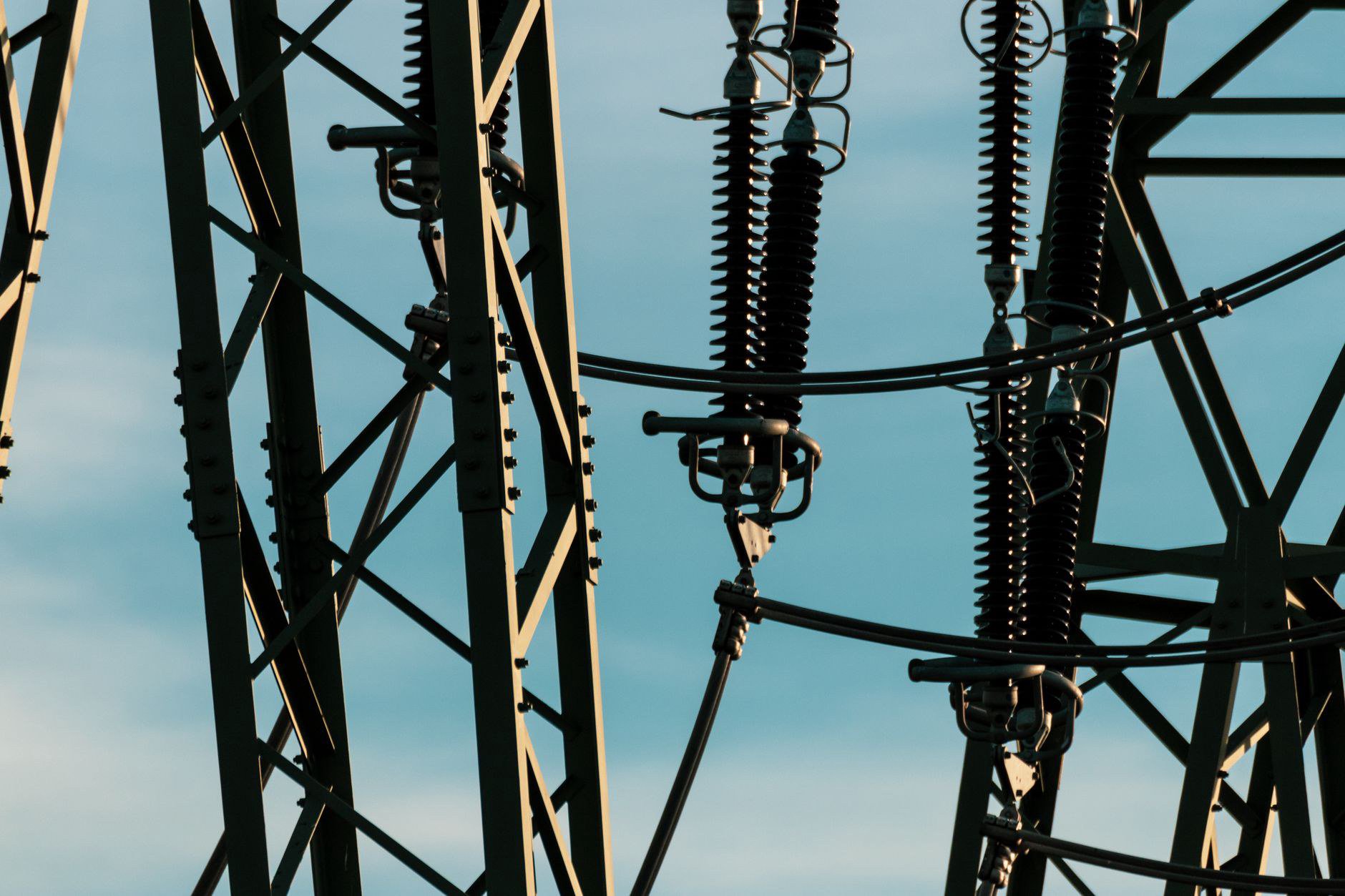
Inverters convert direct current from battery packs into variable-frequency alternating current for motor stators. Silicon carbide and gallium nitride semiconductor switches have revolutionized aerospace power electronics. Wide bandgap devices operate efficiently at switching frequencies above one hundred kilohertz.
High switching frequencies reduce the physical size of filtering inductors and capacitors dramatically. Inverters achieve electrical power conversion efficiencies above ninety-nine percent across typical cruise throttles. Compact packaging allows inverters to integrate directly into motor end-bells.
Operating distribution buses at high voltages between eight hundred and three thousand volts minimizes conductor weight. However, reduced atmospheric pressure at flight cruise altitudes lowers the dielectric breakdown strength of air. Motor windings require specialized corona-resistant polyimide insulation to prevent destructive partial electrical discharge.
Thermal Management and Cryogenic Cooling Loops
Even with ninety-five percent motor efficiency, a two-megawatt propulsion unit rejects one hundred kilowatts of heat. Air cooling becomes aerodynamically drag-prohibitive at high power ratings. Aerospace engineers implement closed-loop liquid cooling circulating dielectric oils or water-glycol mixtures.
Microchannel cooling jackets inside stator iron pull heat away from active electromagnetic coils. Heat exchangers integrate into outer wing skins or engine nacelle ducts. Surface heat exchangers reject thermal energy into boundary layer airflow without adding parasitic form drag.
Future megawatt-class transports will likely incorporate superconducting motor windings cooled by liquid hydrogen. Superconducting coils exhibit zero electrical resistance, doubling motor torque output. Liquid hydrogen doubles as zero-carbon fuel, as outlined in our hydrogen propulsion roadmap research report.
Distributed Electric Propulsion (DEP) and Aerodynamic Synergies
Distributed electric propulsion places multiple smaller electric motor fans along the wing leading edge. High-velocity fan slipstreams blow over the wing surface, increasing localized dynamic pressure. Artificially elevated airspeed generates massive aerodynamic lift during slow takeoff and landing maneuvers.
Blown wings allow designers to shrink overall wing area by up to thirty percent. Smaller wings reduce parasitic drag during high-speed cruise segments significantly. Furthermore, differential motor throttling provides yaw and pitch control, reducing the required size of traditional tail surfaces.
Tail-mounted boundary layer ingestion fans ingest slow-moving air flowing along the fuselage skin. Accelerating the boundary layer wake improves propulsive efficiency by up to twelve percent. Electric drivetrains provide the design freedom to locate thrusters exactly where aerodynamic physics dictates.
Certification Standards and Flight Safety Validation
Certifying high-voltage electric powertrains requires developing new regulatory compliance frameworks with aviation authorities. Federal Aviation Administration Part 33 and EASA CS-E regulations now establish special conditions for electric engine airworthiness. Crucial validation tests evaluate high-voltage short circuit protection and thermal runaway containment.
Fault-tolerant motor architectures incorporate dual three-phase redundant windings powered by independent inverters. If one inverter channel faults, the motor continues producing half power without asymmetric thrust yaw. Battery management systems feature triple-modular redundant microcontrollers executing real-time cell state monitoring.
Emerging regional mobility infrastructure and air taxi routes evaluated by regional aviation networks like Fly PGA illustrate how operational safety standards transition into commercial revenue operations. Scalable flight reliability requires rigorous electromagnetic interference testing to protect cockpit avionics against high-frequency inverter noise.
Conclusion
Adopting electric propulsion systems sustainable aviation frameworks is ushering in the most transformative era in aerospace engineering since the jet age. While energy storage densities remain challenging, hybrid architectures and distributed thrust deliver immediate efficiency dividends today. As motor power densities advance and high-voltage standards mature, quiet, zero-emission flight will reshape regional air transport for generations to come.