

Fly-by-wire systems commercial aircraft use electronic signals to carry pilot commands from the controls to flight-control computers and powered actuators. The architecture replaced much of the cable, pulley, rod, and hydraulic signaling used in earlier designs.
The change was larger than a new way to move a control surface. It allowed engineers to shape handling through software, manage unstable or highly optimized airframes, reduce mechanical complexity, and build multiple layers of redundancy around critical commands.
Fly-by-Wire Systems Commercial Aircraft Architecture
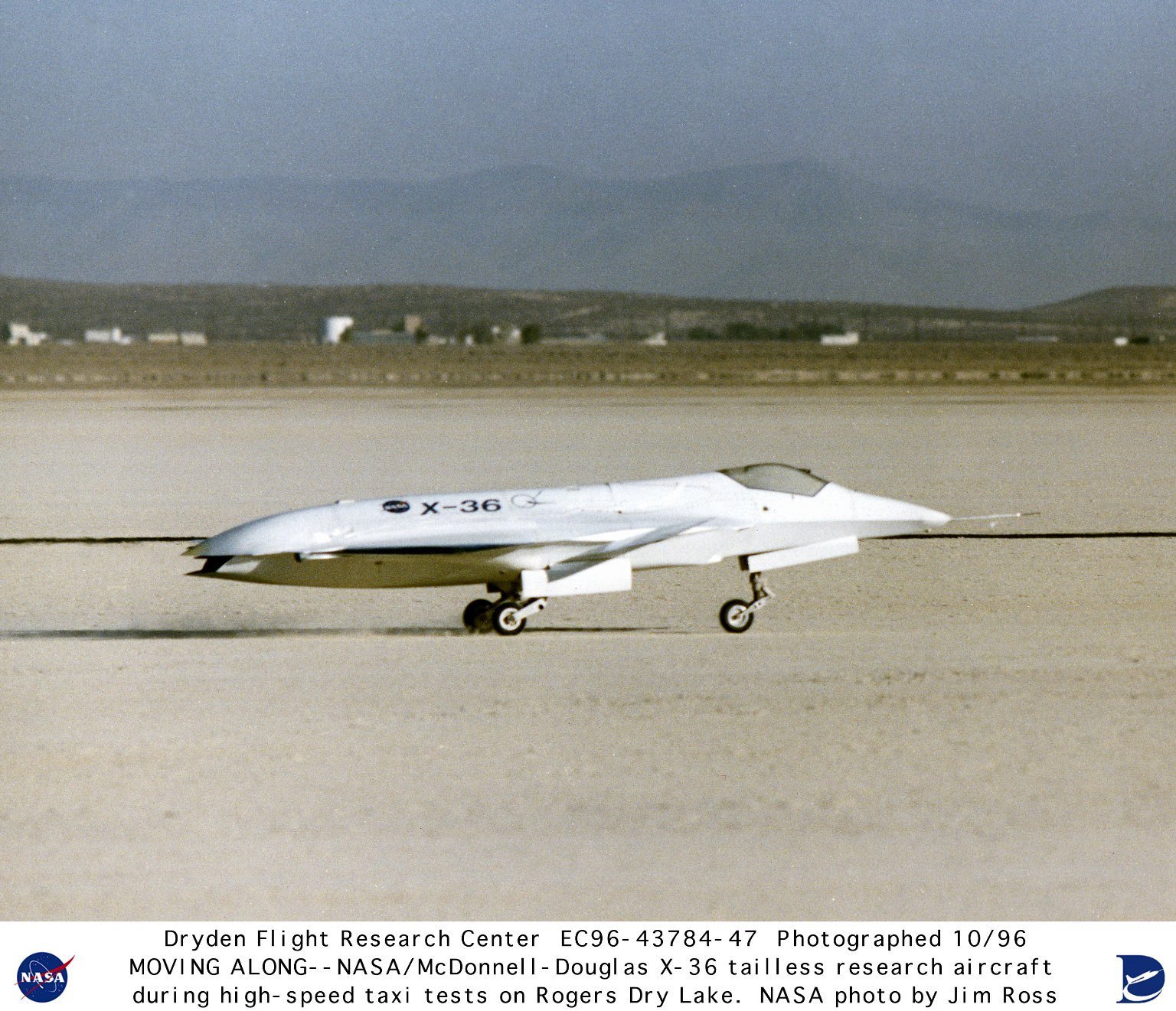
When a pilot moves the sidestick, yoke, or pedals, sensors measure the command. Flight-control computers combine that input with data such as airspeed, attitude, configuration, and acceleration. They calculate the required response and command hydraulic or electric actuators at the control surfaces.
The pilot still controls the aircraft. The path between input and surface is mediated by computers that can schedule response for different phases of flight.
Modern flight decks connect these functions with broader avionics. Our analysis of advanced flight-deck systems explores how cockpit automation continues to evolve around certified control architectures.
From Mechanical Links to Electrical Signals
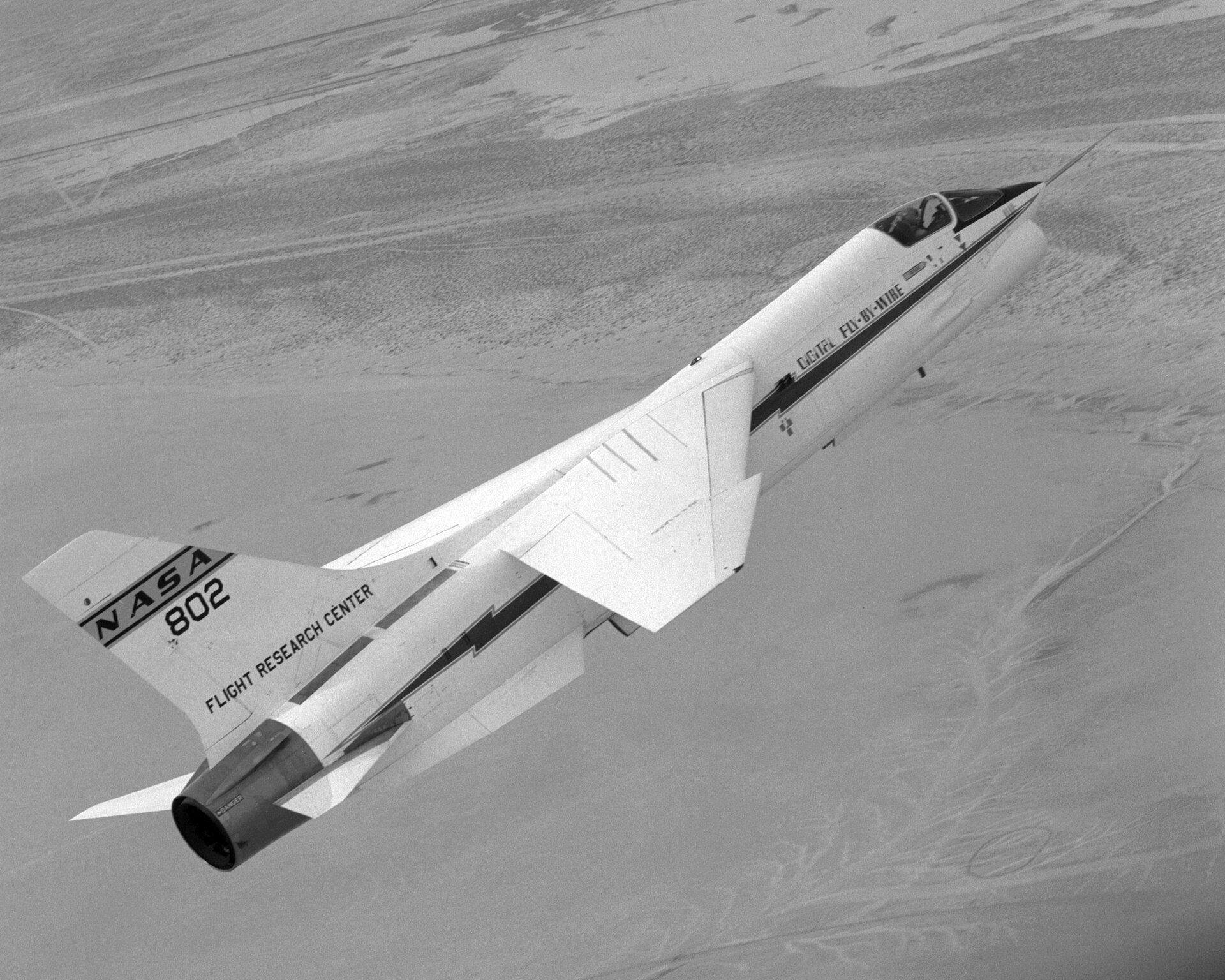
Conventional controls use physical connections and hydraulic assistance. They provide direct relationships that are familiar and robust, but long cable runs, pulleys, bellcranks, and adjustment points add weight and maintenance work.
Fly-by-wire replaces the signaling path with electrical wiring and computers. The actuators may still be hydraulic, especially on large transport aircraft, but the command reaches them electronically.
Weight savings vary by design. The greater benefit is architectural freedom: control response can change with speed and configuration without elaborate mechanical gearing.
Why Redundancy Is Fundamental

A single computer or wire cannot be trusted with primary flight control. Commercial systems use multiple computers, independent power sources, separated wiring routes, and redundant sensors. Designs may use different hardware or software channels to reduce common-mode failures.
Computers continuously compare data and monitor one another. A failed channel can be isolated while remaining channels preserve control. Degraded modes provide a defined level of capability when parts of the normal system are unavailable.
Redundancy is validated through analysis, simulation, laboratory rigs, flight testing, and certification evidence. The objective is controlled behavior under faults, not merely normal-flight performance.
Control Laws Shape Handling
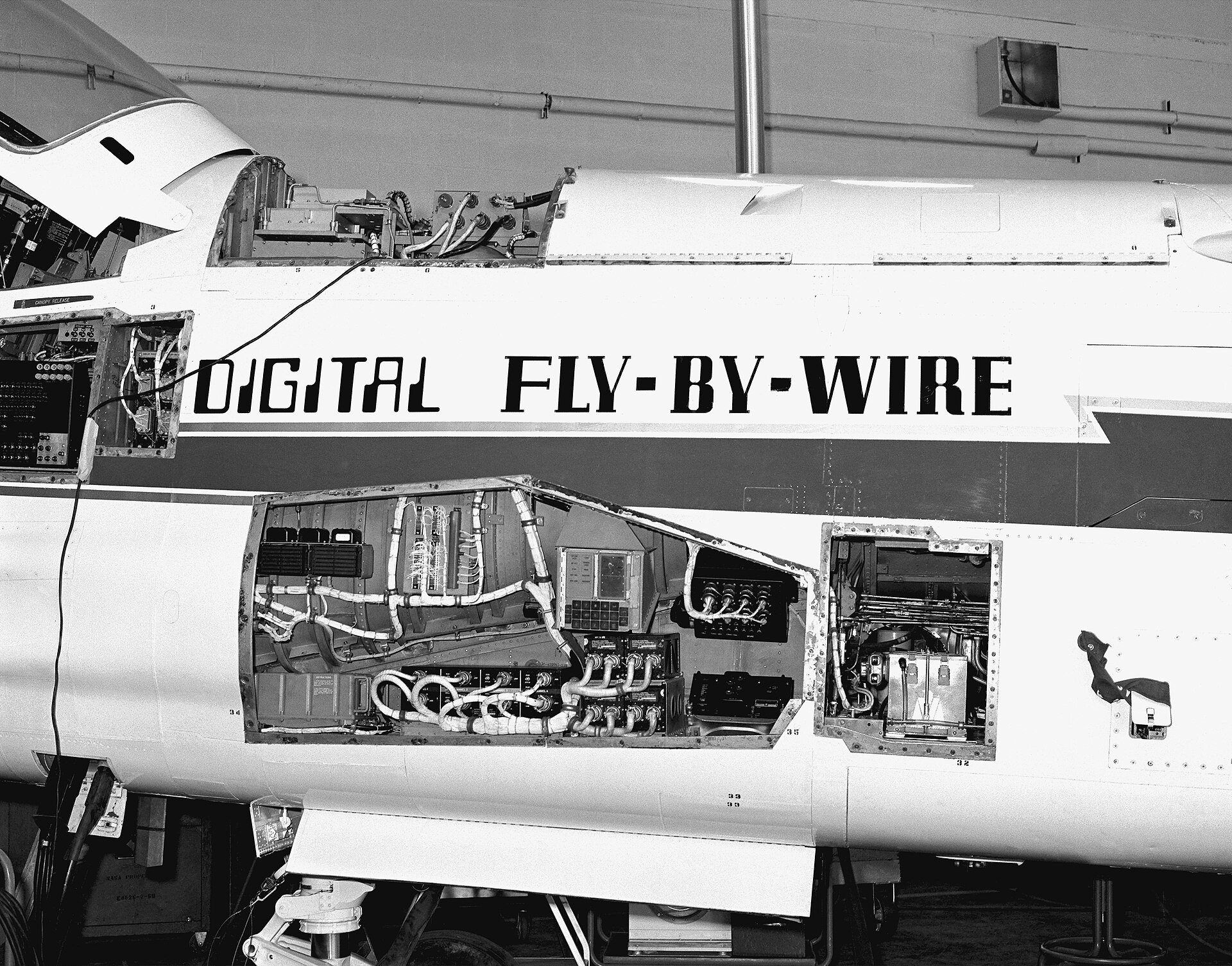
A control law translates pilot input into aircraft response. At one speed, a given stick movement may command a certain roll rate. At another, the computer can adjust surface movement to produce consistent handling.
Normal modes can compensate for configuration, center of gravity, and dynamic pressure. This reduces the need for the pilot to manage large changes in control sensitivity across the flight envelope.
When sensors or computers are lost, alternate or direct modes may remove some functions. Flight crews train for the handling and protections available in each mode.
Flight-Envelope Protection
Some fly-by-wire philosophies include protections against exceeding selected aerodynamic or structural limits. These can address high angle of attack, excessive speed, load factor, or bank angle.
Protection is not a substitute for pilot judgment. Its authority and behavior differ by aircraft family, and certain degraded modes may not provide the same boundaries.
The design challenge is to support crews without hiding the aircraft’s state. Clear indications, predictable transitions, and training are as important as the control algorithm.
Efficiency and Airframe Design
Electronic control enables engineers to design aircraft with handling characteristics that would be difficult to manage through fixed mechanical relationships. Aerodynamic efficiency, structural load relief, and ride quality can be addressed through active control.
Gust-load alleviation can command small surface movements to reduce structural loads. That capability may influence wing and structural design, although the full aircraft is still certified against demanding cases.
Precise manufacturing remains essential because actuators, sensors, and control surfaces must deliver the behavior assumed by the software. Our coverage of precision engineering in aviation illustrates the production discipline surrounding flight-critical hardware.
Pilot Interface and Feedback
Mechanical controls naturally transmit some aerodynamic forces back to the pilot. Electronic systems must create an appropriate control feel through springs, dampers, force-feedback mechanisms, or command logic.
Aircraft philosophies differ. Some use linked control columns; others use independent sidesticks. The interface affects crew coordination, monitoring, and training.
Good design makes the commanded response predictable. Pilots should understand what the system is doing, which law is active, and how failures change control behavior.
Maintenance Changes Rather Than Disappears
Fly-by-wire removes many mechanical inspection and rigging tasks, but it adds computers, sensors, wiring, connectors, software configuration, and built-in test equipment. Maintenance becomes more diagnostic and data-driven.
Technicians use fault messages and test procedures to isolate a failed component. They must also inspect physical wiring, bonding, hydraulic actuators, and control surfaces.
Long-term reliability depends on disciplined configuration control. Replacement hardware and software must match approved standards. Related practices appear in our aircraft maintenance coverage.
Software Certification and Verification
Flight-control software is developed under rigorous assurance processes. Requirements must be traceable to implementation and tests. Changes are reviewed for their effect on the entire control function.
Verification includes normal cases, boundary conditions, sensor errors, timing faults, and combinations of failures. Hardware-in-the-loop rigs let engineers test computers and actuators against simulated aircraft dynamics.
Certification is not a one-time code review. It is a documented argument that the system satisfies its safety requirements across its operating environment.
Lessons from Service Experience
Commercial fly-by-wire has accumulated decades of operational experience. Events and incidents have reinforced several lessons: sensors must be monitored carefully, automation modes must be clear, crews need training for degraded laws, and maintenance records must preserve configuration integrity.
Investigations examine the whole system. Human factors, procedures, interface design, maintenance, environment, and component behavior can interact. A single technical feature rarely explains an event on its own.
Travel-focused aviation resources such as Fly PGA reflect the passenger side of commercial aviation, while engineering teams work behind the scenes to make control systems predictable and maintainable.
The Continuing Evolution
New aircraft increasingly use integrated modular avionics, electrically powered actuators, advanced health monitoring, and tighter links between flight control and other systems. Electric and hybrid aircraft may adopt different actuation and energy-management architectures.
Yet the foundational requirements remain stable: commands must be accurate, failures must be contained, control behavior must be understandable, and certification evidence must be complete.
Fly-by-wire systems commercial aircraft transformed design because they made control a coordinated electronic function. Their success rests on redundancy, disciplined software assurance, validated control laws, precise hardware, and crews trained to understand both normal and degraded behavior.