
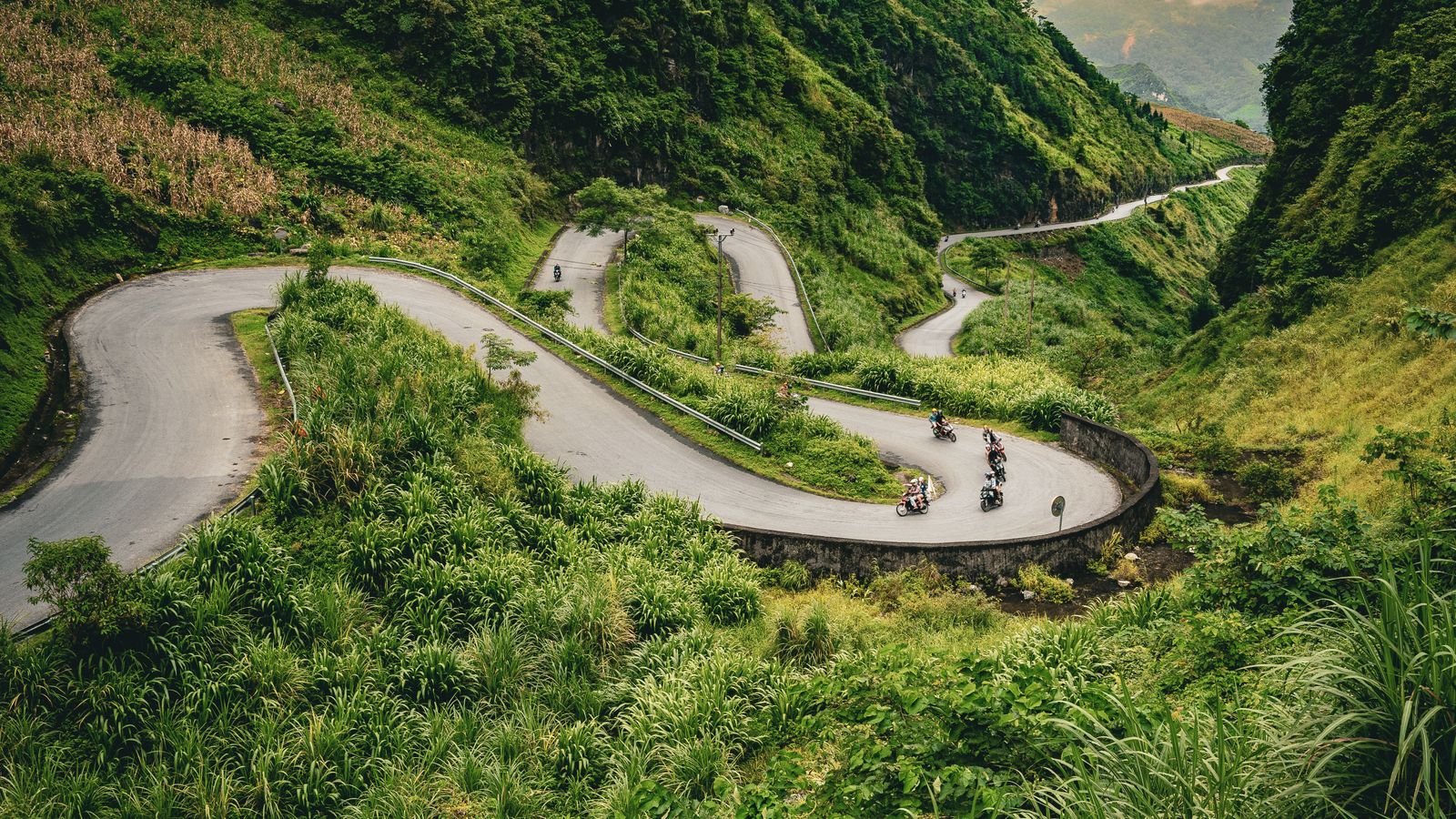
Most riders who run into trouble on the mountain loops of northern Vietnam don’t fail because of bad luck. They fail because of a check they skipped at the rental shop. Our team has watched this pattern repeat across many seasons. That is why we begin with a habit aerospace engineers rely on every day. It turns out to be just as useful on two wheels when you plan a Ha Giang loop motorbike tour 3 days.
The Pre-Flight Habit That Saves a Mountain Ride
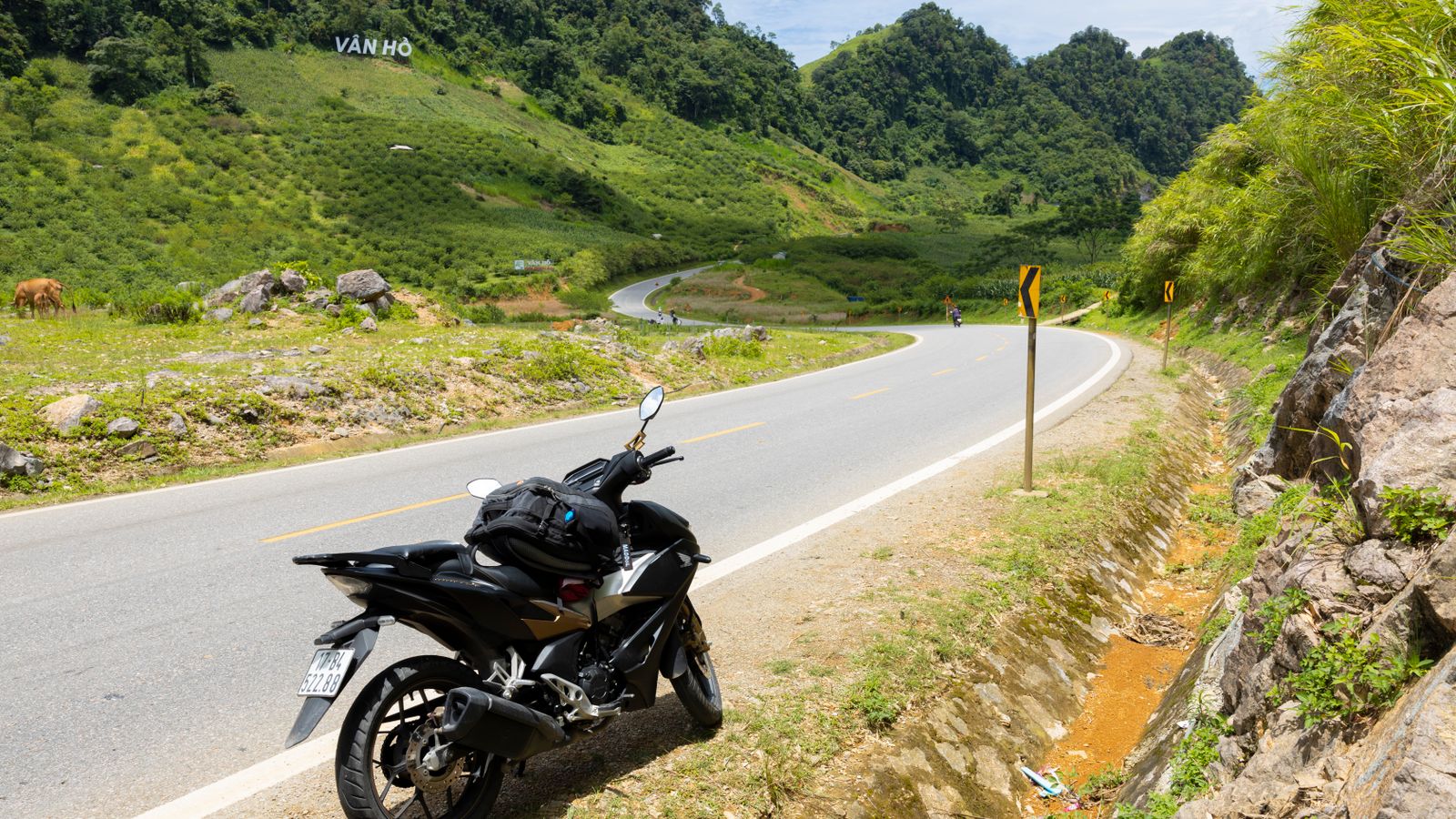
Before a pilot takes off, the crew runs through a checklist. Every item gets checked, every time, even when the aircraft flew perfectly the day before. We think a rider deserves the same discipline. The routine takes about ten minutes. It catches the small faults that grow into serious problems on a steep road with no shoulder.
On the loop, a skipped check tends to surface at the worst possible moment. A tyre that feels slightly soft at the shop becomes a flat on a tight switchback. A brake lever with a little spongy travel turns into a long, nervous slide on a wet descent. We have seen this again and again. The warning was there at the start, and nobody bothered to look at it properly.
Why Three Days Works for Some Riders
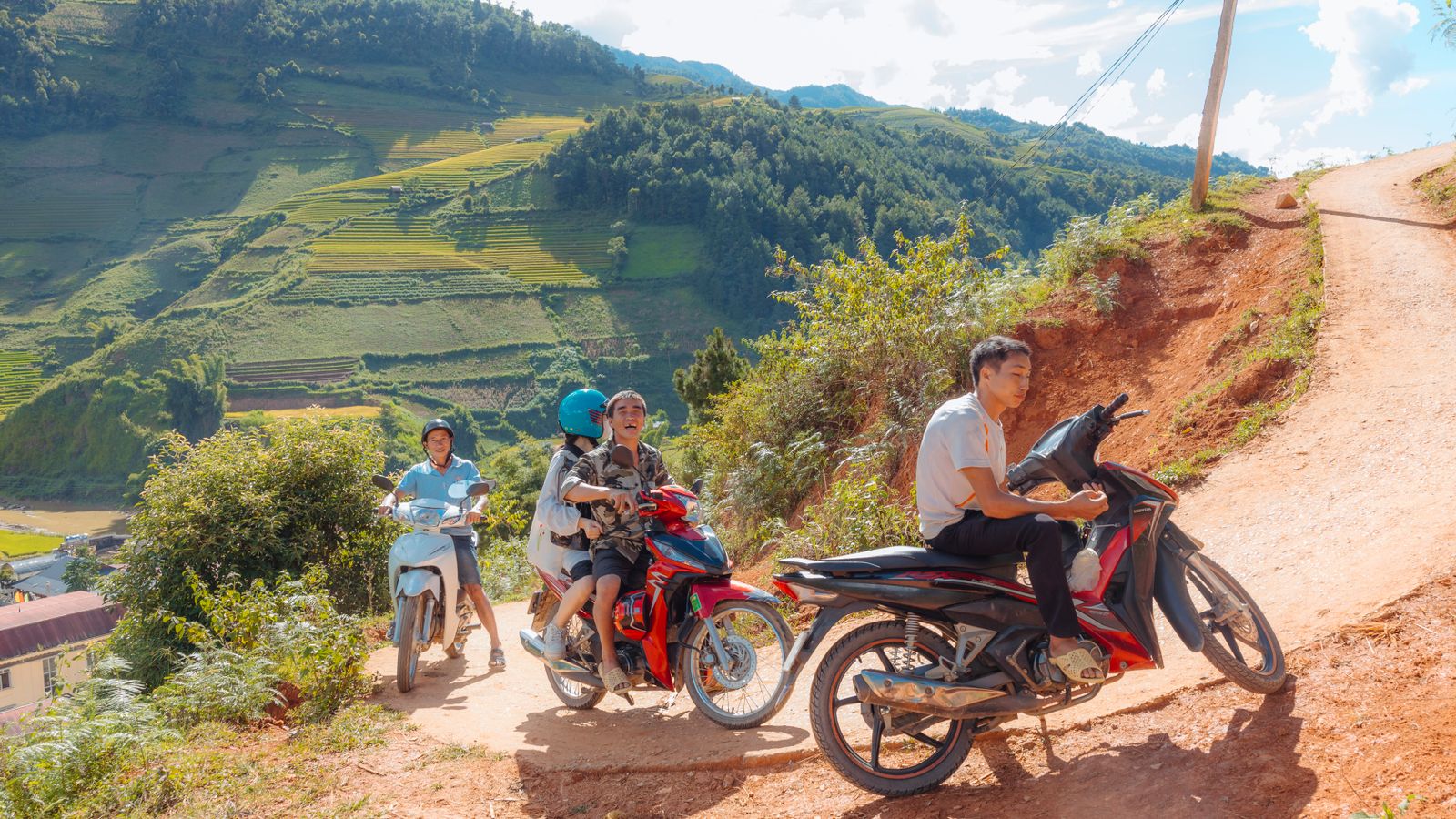
The loop can be completed in three days, but the schedule is tight. A rider with solid experience and a clear plan can finish without rushing. Someone who has only ridden in city traffic should think carefully before committing to that timeline. The roads ask for a different kind of attention. Speed is rarely the problem. Sustained concentration is.
When time runs short, the first things to disappear are the stops. Riders skip the viewpoints, skip a proper lunch, and push on to reach the next town before dark. That is exactly when fatigue creeps in. A workable plan has to leave deliberate room for breaks. Otherwise the schedule quietly works against you from the first morning.
Inspecting the Bike Like a Mechanic
Start with the brakes. Squeeze the front lever and then press the rear pedal. Both should feel firm rather than soft, and the lever should not travel far before it bites. Next, look over the tyres for cuts, bulges and remaining tread depth. Check chain tension and lubrication, then test the lights, the horn and the mirrors. A bike with dim headlights or no working horn is hard to spot on a blind corner.
Take a few photos before you leave the shop. Capture the tyres, the odometer, the fuel level and any existing scratches. It sounds like a minor step. If a dispute about damage comes up later, those photos settle it quickly and fairly. We have seen them save riders real money.
A Day-by-Day Plan Built Around Safe Riding Time
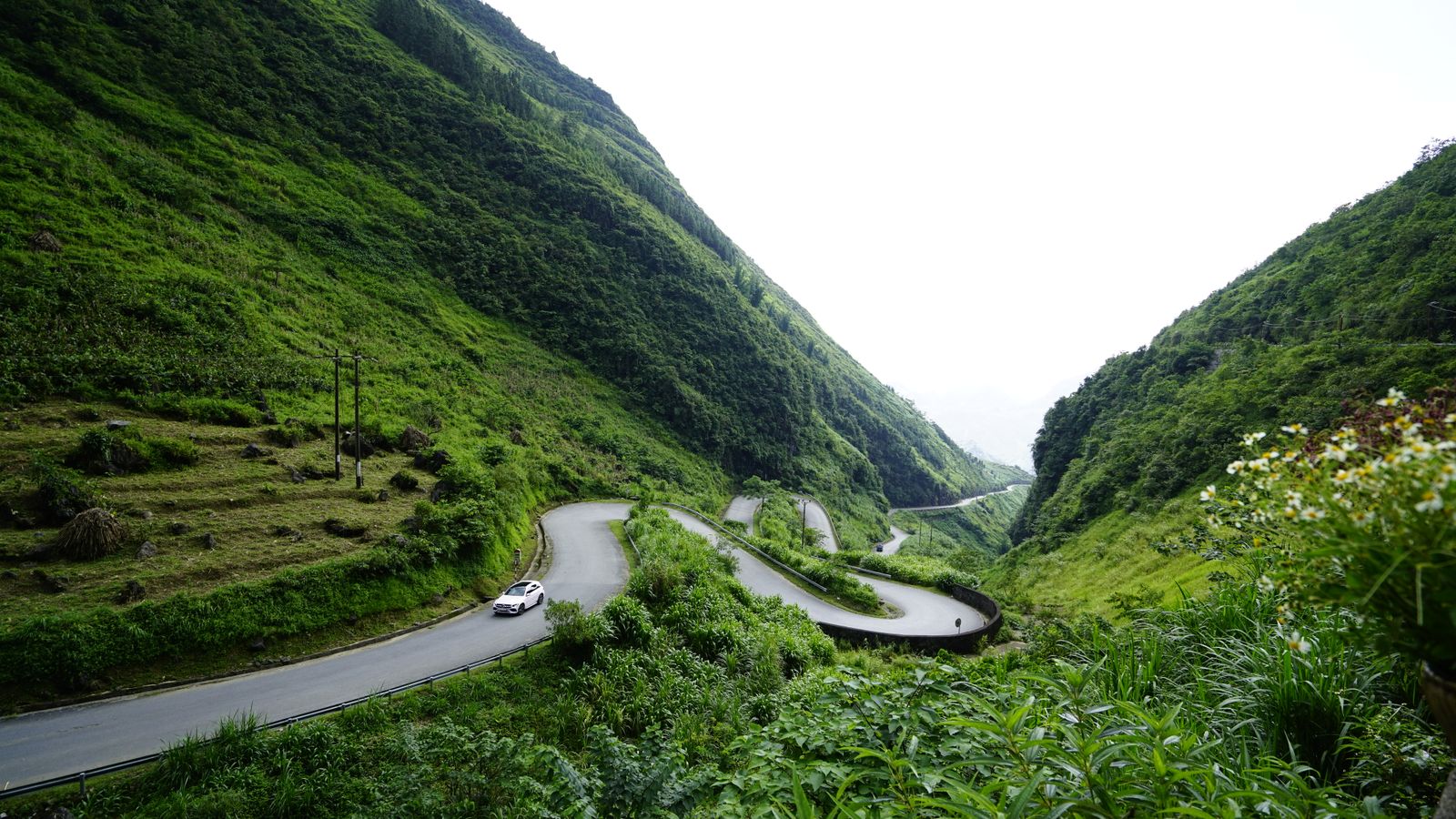
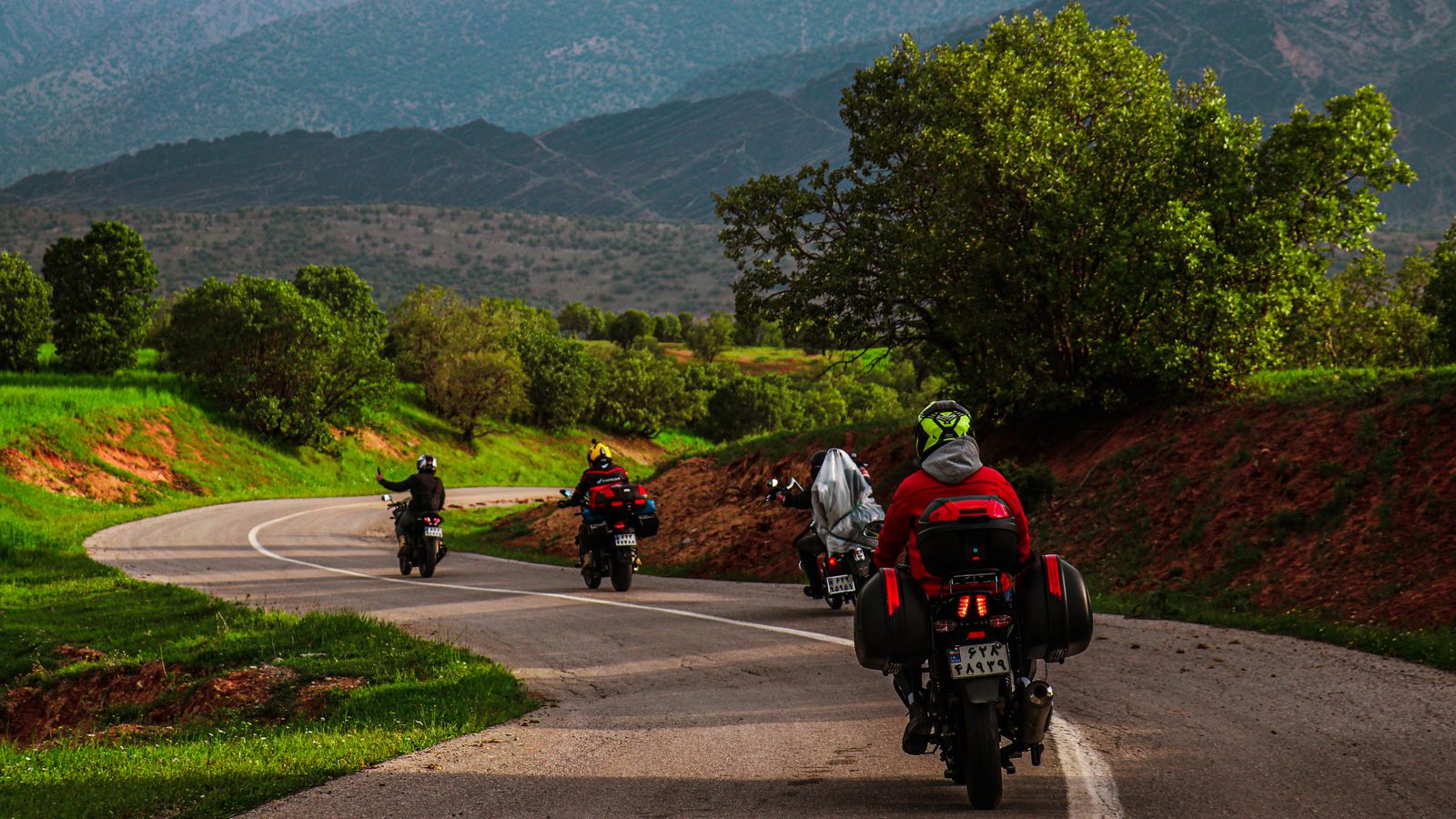
Plan the riding in hours rather than kilometres. Roads on this route are slow, and the scenery constantly pulls your eyes away from the tarmac. Most riders we work with find that four to six hours in the saddle per day is a realistic ceiling, with regular fuel stops in between. Going beyond that usually means tired hands and slower reactions. Those two things together are where most mistakes begin.
Daylight is the hard limit. Mountain roads are not safe to ride after dark, and the final hour before sunset is when people tend to rush. Build a buffer of at least an hour into each day. A delayed fuel stop or a landslide slowdown should not push you into the dark. Arriving early in a guesthouse town is far better than arriving late on a bad road.
Choosing Between Self-Ride and Guided Support
Riding independently gives you freedom and a lower cost. You control the pace and stop wherever the view demands it. The trade-off is that you carry all the mechanical and navigation risk yourself. You may also be alone when something goes wrong on a remote stretch with no phone signal.
A guided tour costs more, but it removes a great deal of stress. A support vehicle can carry tools and spare parts, and a local guide knows which bends turn treacherous in the rain. For riders short on time, the three days and two nights version is a practical middle ground. It gives you enough time to see the route properly without the hurry of a self-planned schedule. Many first-time riders we have advised chose it for exactly that reason.
Engineering thinking applies here too. Reliable machinery depends on tight tolerances and disciplined maintenance, a theme we explore in our precision engineering in modern jet engines article. The same mindset applies to a motorbike you depend on in the mountains. A bike that is only as good as its last service will eventually fail you on a climb.
Weather Windows and Road Conditions
Early-morning fog can hide a bend until you are almost on top of it. Rain makes stone and concrete surfaces slick. Mud on the shoulders can pull a front wheel sideways without much warning. Landslides are a real risk after heavy rainfall. Check local news before setting off each morning, and ask your guesthouse host about the road ahead.
Temperatures fall quickly as you climb. A mild morning in the valley can feel close to freezing at a high pass. Carry a layer you can add or remove without stopping mid-corner. Stopping on a narrow mountain shoulder is never comfortable or safe.
Packing Light Without Skipping the Essentials
Pack light, but never skip the basics. A small tool kit, a tyre repair set and a pump should always travel with you, because roadside help can be hours away. A rain jacket and a dry bag keep your phone and documents safe. Carry a first aid kit and a power bank. Bring enough cash too, since many roadside shops and small guesthouses do not accept cards.
Our non-negotiables for this route come down to a short list you can check each morning:
- Tool kit and tyre repair set, with a manual pump
- Rain layer and a waterproof dry bag
- First aid kit and any personal medication you need
- Power bank and a cable that fits your phone
Cash in small denominations matters more than people expect. Fuel and food stops in the villages rarely have change for large notes.
Budget Breakdown for Three Days
For most riders the largest expense is the bike rental, followed by fuel and then accommodation. Fuel is inexpensive along the route, but you will refill more often than you expect, because the climbs burn through it quickly. Local food stalls are affordable and generally good. A small tip for a mechanic who helps you on the road is always appreciated and remembered.
Set aside an emergency amount as well. A minor repair or an unplanned night in a guesthouse can add up quickly. Having that buffer in hand means you will not feel pressured to keep riding a bike that is not safe. That decision protects both your wallet and your body.
Warning Signs to Slow Down or Stop
Fatigue is the first warning sign to respect. Your focus drifts, your reactions slow, and you begin to miss small details like loose gravel or a car drifting over the centre line. Brake fade is another. If the lever feels progressively softer after a long descent, stop and let the brakes cool before continuing. Unusual noises from the engine, the wheels or the chain also deserve a stop, not a guess made while moving.
Keep an eye on the light as well. When the sun drops behind the peaks, the road loses its contrast very fast and depth becomes hard to judge. If you are still on the bike when dusk arrives, you are already behind schedule. That is the moment to find a place to rest.
Frequently Asked Questions
Is three days too rushed for the Ha Giang loop?
For most riders, three days is enough if the schedule leaves room for breaks and a daylight buffer. It starts to feel rushed when you try to fit in every viewpoint and every detour. Choose the stops that matter most to you and be willing to let the rest go. Riders who accept that trade-off usually enjoy the trip far more.
Do I need previous riding experience?
Yes. You should feel comfortable on a manual motorbike in traffic before attempting this route. Mountain bends, loose gravel and sudden weather changes are a clear step up from city riding. If you are unsure of your skills, a guided option is the safer choice, and there is no shame in that.
What should I do if the weather turns bad?
Stop early, find a sheltered spot, and wait for conditions to improve. Do not try to push through heavy rain or fog on an unfamiliar bend. Your tour operator or local guesthouse can tell you whether the road ahead is open. Their advice is worth following, even if it costs you a few hours.
Where should I sleep each night?
Book rooms in the towns along the route, planned so that each night ends well before dusk. Dong Van and Meo Vac are common overnight stops. Booking ahead matters in the busy season, when rooms fill quickly and last-minute options become limited.
If you are weighing up your options, our team is glad to help you compare routes and support levels. Reach out through our home page, and we will walk through the plan with you before you commit to anything.