

Analyzing complex hydrogen fuel cells aviation engineering hurdles is crucial as the global aerospace sector pursues zero-emission propulsion. Hydrogen offers a specific energy density three times higher than conventional aviation kerosene. When reacted electrochemically with atmospheric oxygen, the only operational emission is pure water vapor. However, deploying fuel cells on commercial transport aircraft presents formidable thermal, volumetric, and mechanical integration challenges. This engineering analysis details fuel cell stack performance, cryogenic fuel handling, heat rejection systems, and airframe safety architectures.
Aviation propulsion engineers must overcome severe gravimetric power density limits. While automotive fuel cells operate reliably, commercial airliners demand continuous megawatt-scale power outputs during high-altitude cruise segments. Successful development requires coordinated breakthroughs outlined in the 2030 hydrogen propulsion roadmap across international flight research consortia.
Fuel Cell Stack Chemistries: PEMFC versus SOFC

Proton exchange membrane fuel cells dominate experimental aviation testbeds today. They operate at moderate temperatures between seventy and one hundred degrees Celsius, enabling rapid system startup. Advanced perfluorosulfonic acid membranes deliver high proton conductivity while maintaining excellent mechanical durability.
Solid oxide fuel cells operate at much higher temperatures exceeding seven hundred degrees Celsius. High operating temperatures yield thermal efficiencies above sixty percent and tolerate less pure hydrogen streams. However, slow thermal startup times make pure solid oxide systems unsuitable for rapid emergency power responses.
Hybrid fuel cell systems combine proton exchange membranes for takeoff thrust with solid oxide stacks for cruise endurance. Stacking metallic bipolar plates demands micro-machining with zero burr tolerances. These tight geometric requirements rely on advanced engineering machining methods to produce uniform microfluidic gas flow channels.
Cryogenic Liquid Hydrogen Storage and Tank Integration
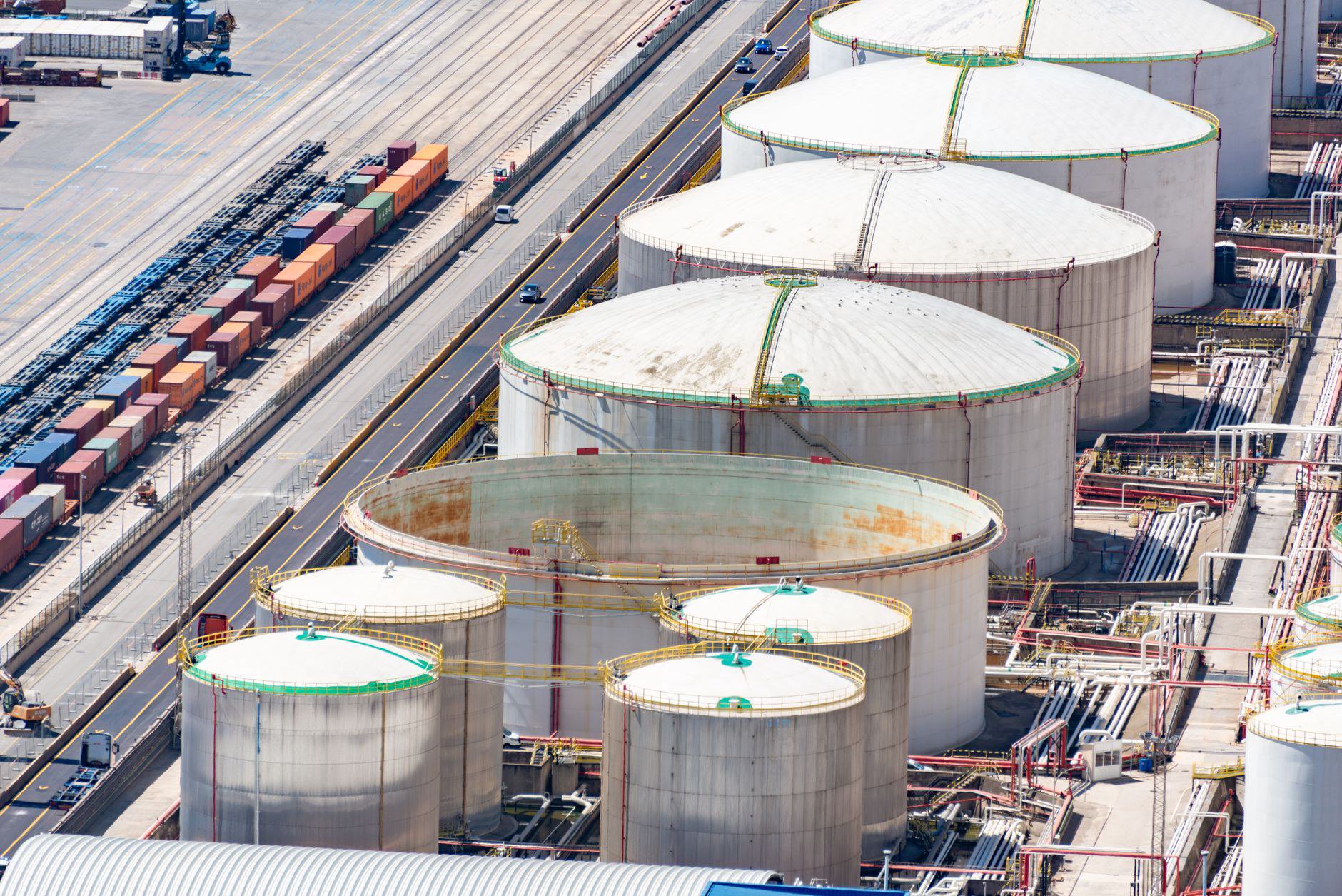
Although hydrogen provides outstanding gravimetric energy density, its volumetric energy density is extremely low. Gaseous hydrogen compressed to seven hundred bar requires heavy carbon-fiber pressure vessels that penalize payload capacity. Consequently, commercial airliners must carry hydrogen as cryogenic liquid at minus two hundred and fifty-three degrees Celsius.
Liquid hydrogen requires insulated vacuum-jacketed cryogenic tanks installed inside the main fuselage pressure hull. Unlike conventional jet fuel, liquid hydrogen cannot be stored inside thin aircraft wings. Relocating fuel tanks into the passenger cabin perimeter reduces passenger seating capacity significantly.
Cryogenic tank architecture combines inner metallic liners with multi-layer vacuum insulation blankets. Tank supports utilize low-conductivity glass-fiber composite struts to prevent conductive thermal heat leaks. Boil-off management systems vent excess hydrogen safely or route boil-off gas to auxiliary power units during long tarmac hold times.
Air Intake, Oxygen Compression, and Cathode Dynamics
Fuel cell electrochemical reactions consume immense quantities of clean atmospheric oxygen. At cruise altitudes above thirty thousand feet, ambient air pressure drops to less than one-third of sea-level density. Maintaining sufficient oxygen partial pressure across cathode catalysts requires powerful centrifugal air compressors.
High-speed electric turbocompressors consume up to twenty percent of total fuel cell gross electrical output. Expander turbines recover kinetic energy from humid cathode exhaust gases to offset compressor parasitic electrical loads. Dynamic airflow control prevents cathode flooding or membrane dehydration during abrupt throttle adjustments.
Air filtration systems must capture atmospheric dust, salt aerosols, and sulfur dioxide contaminants completely. Trace chemical contaminants poison expensive platinum catalyst nanoparticles permanently. Filter housings feature rapid water drainage channels to handle heavy rain ingestion during low-altitude airport approaches.
Low-Temperature Heat Dissipation and Radiator Drag

Thermal management represents one of the most difficult engineering barriers for aviation fuel cell propulsion. Conventional jet engines exhaust excess heat directly into their supersonic exhaust gas plumes at temperatures exceeding one thousand degrees Celsius. In contrast, proton exchange fuel cells reject waste heat through liquid cooling loops at only eighty degrees Celsius.
The small temperature difference between the coolant loop and ambient air necessitates massive heat exchanger surface areas. Large external radiators generate substantial aerodynamic form drag that negates fuel cell efficiency advantages. Aerospace aerodynamicists integrate radiators inside low-drag boundary layer ingestion ducts.
Heat dissipation research incorporates two-phase evaporative cooling loops that utilize latent heat of vaporization. Cooling circuits absorb heat at the stack core and reject vapor into ram-air condensers efficiently. These cooling advances represent crucial aviation technology programs across global propulsion institutes.
Water Management, Humidification, and Freezing Hazards
Maintaining optimal membrane hydration requires balancing water generation against evaporation rates. Insufficient humidity increases membrane electrical resistance and leads to hot spots that tear fragile polymer films. Conversely, excessive liquid water accumulation blocks cathode gas channels, causing instant cell starvation.
Exhaust moisture condenses into liquid water inside separator chambers behind the fuel cell stack. In sub-zero flight conditions, collected water risks catastrophic freezing that ruptures delicate manifold joints. Heated drain lines and purge sequences evacuate remaining liquid water before aircraft cold-soak parking.
Some experimental configurations inject recovered product water directly into air intakes to humidify incoming airflow. Closed-loop water recovery eliminates external makeup water tanks and preserves optimum stack hydration. Micro-pumps regulate injection volume based on real-time membrane impedance measurements.
Safety Enclosures, Hydrogen Leak Detection, and Purging
Hydrogen possesses a broad flammability range between four and seventy-five percent concentration in ambient air. In addition, hydrogen molecules diffuse readily through micro-porous seal elastomers and metallic grain boundaries. Flight certification mandates hermetically sealed fuel cell equipment compartments equipped with continuous inert nitrogen purges.
Fiber-optic and catalytic bead hydrogen sensors detect minute leaks within milliseconds. Detection thresholds trigger automated isolation valves that isolate pressurized fuel supplies instantly. Redundant ventilation blowers exhaust contaminated bay atmospheres overboard through dedicated flame-arrestor masts.
Aircraft operations and regional flight operators like commercial aviation routes at Fly PGA depend on rigorous ground safety verification before passengers board. Ground support crews must follow standardized bonding protocols to prevent static discharge sparks during hydrogen bunkering operations.
Airport Ground Logistics and Liquid Hydrogen Bunkering
Transitioning airline fleets to hydrogen requires unprecedented global airport infrastructure overhauls. Airports must construct vacuum-insulated liquid hydrogen pipelines, boil-off reliquefaction plants, and cryogenic bulk storage spheres. Fuel delivery trucks require automated magnetic dry-break couplings to prevent liquid venting.
Refueling turnaround times must match current twenty-minute commercial gate cycles to maintain airline profitability. Fast cryogenic pumping requires pre-cooling aircraft manifold circuits to prevent thermal shock boiling. Smart digital protocols communicate tank pressure, temperature, and fill level parameters continuously.
Safety clearance perimeters around fueling gates demand revised apron layout architectures. Ground operations personnel require comprehensive safety qualifications to handle high-pressure cryogenic transfer safely. Collaborative standards between airport authorities and aircraft manufacturers establish the operational baseline for worldwide deployment.
Conclusion
Mastering hydrogen fuel cells aviation engineering represents a revolutionary milestone toward sustainable, emission-free commercial flight. While cryogenic tank volume and low-temperature heat rejection remain formidable hurdles, fuel cell physics offers unmatched thermodynamic promise. Continued international investment in stack power density, lightweight tanks, and airport bunkering will transform regional aviation and protect our global atmosphere for generations to come.