
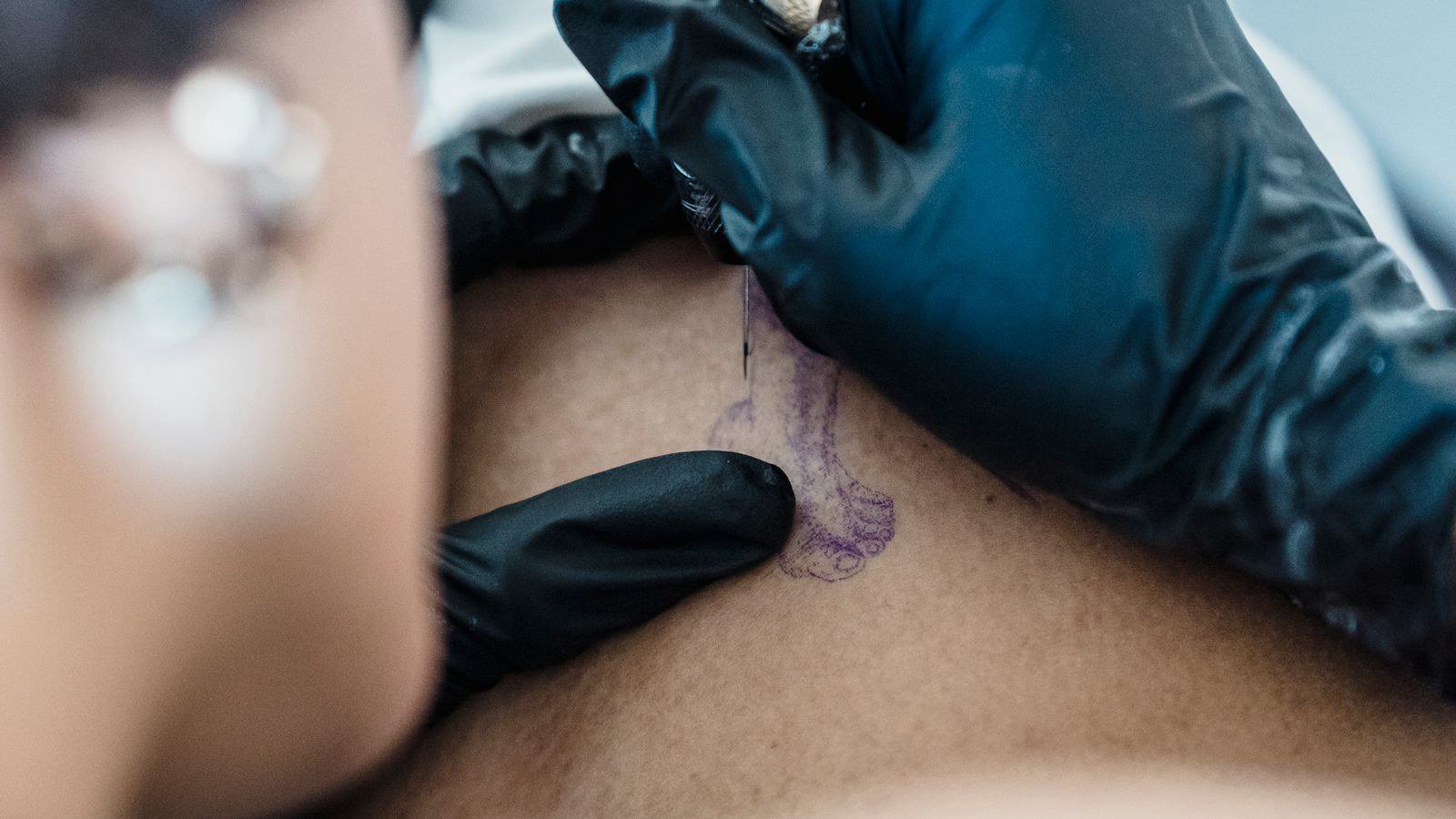
In aerospace manufacturing, every component carries a documented history. We can trace a bracket back to the machine that cut it, the inspector who signed it off and the surface finish it was measured against. It surprises us that people who expect that level of traceability from a fuselage part often sit down in a hanoi tattoo chair without asking a single process question. Our team has spent years working around precision systems, and we keep noticing how much of that discipline applies to something as personal as a tattoo.
Traceability, put simply, means you can follow a part back to where it came from. Nobody accepts a flight-critical component without that record. A tattoo deserves the same scrutiny. It becomes a permanent part of your body, and you will live with the result for decades. That alone is reason enough to ask how the work was produced.
The inspector’s question most clients never ask
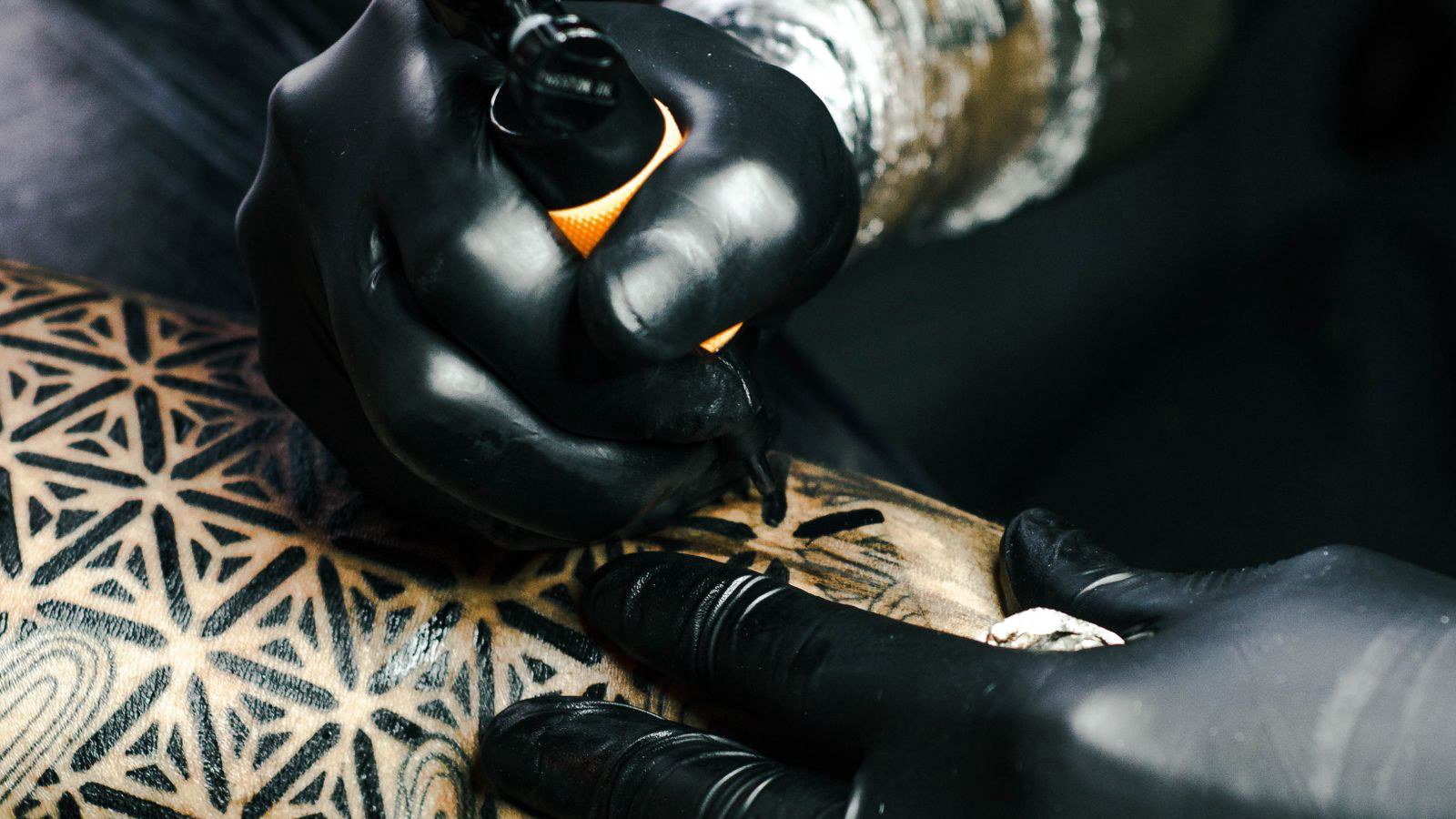
We have seen this pattern more than once. A colleague picked a studio almost entirely from its social media feed. The photos were glossy and the colours looked vivid. Six weeks after the session, the lines had softened and the shading had gone patchy. Nobody had shown them healed work, and nobody had explained how the room was prepared. That experience changed how we talk about studio selection, and it is why we now treat a polished feed as a starting point rather than a verdict.
Try asking the question you would put to any supplier: what does your process look like when nobody is watching? A careful studio answers without hesitation. It will often describe steps you had not even thought to ask about, and that openness tells you more than any portfolio.
Why a shop floor mindset carries over to the tattoo chair
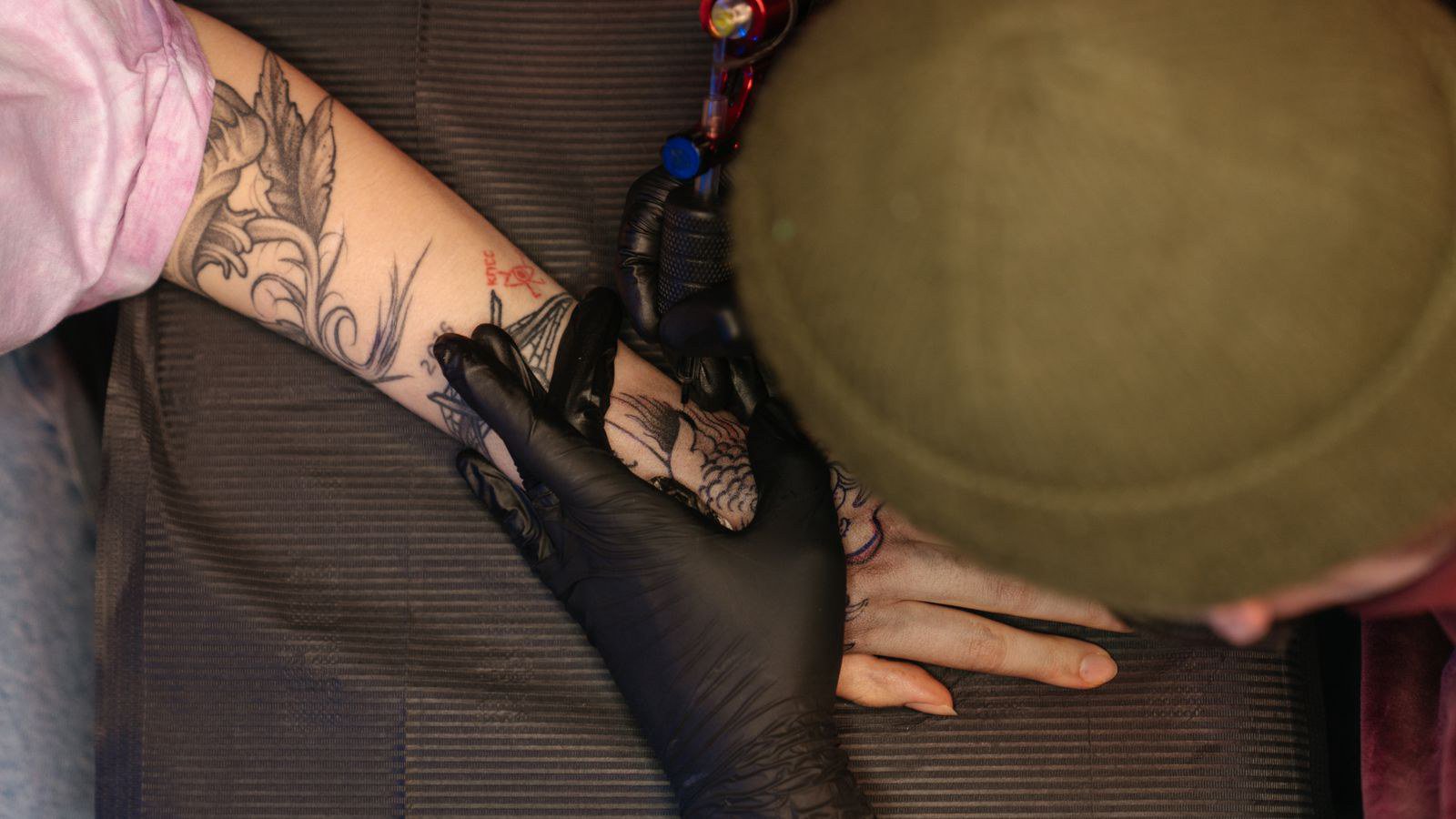
A machine shop runs on repeatable steps. The workpiece is cleaned, the setup is verified and each check is logged. When something drifts, the log points you toward the cause. A well-run tattoo studio follows the same logic, and the signs are visible if you know where to look.
Consistency is the central idea. The same steps should happen every time, whichever artist is working that day. Documented checks let the artist explain what they did and why it mattered. Ask how they handle consent forms and aftercare notes. A studio with a real process describes its routine the way a quality engineer walks through a control plan: clearly, in detail, and without needing a pause to remember.
Sterile technique is a quality system, not decoration
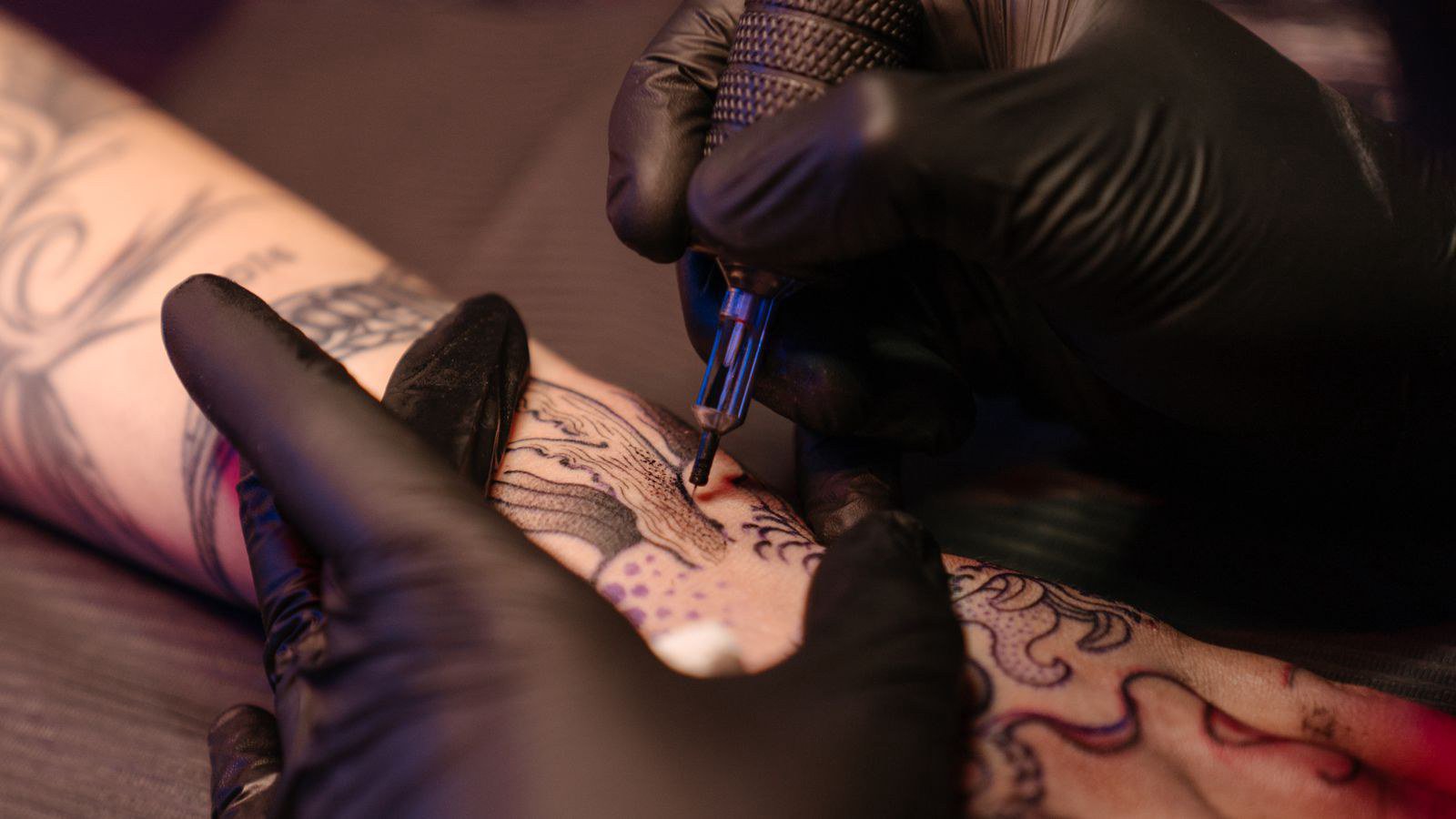
Sterile practice protects both the client and the finished work. Single-use needles should arrive sealed and be opened in front of you. Ink should come in sealed containers, and the artist should cover any surface they touch with barrier film. None of this is glamorous, which is exactly why it gets skipped when a studio wants to look busy.
Skin preparation matters just as much. The area should be cleaned and shaved where needed, and it should look calm rather than irritated before the first line goes in. When an artist rushes these steps, you learn how they will handle the rest of the session. A simple question works well here: “Can you walk me through your setup before you start?”
Tolerances: line weight, depth and healing
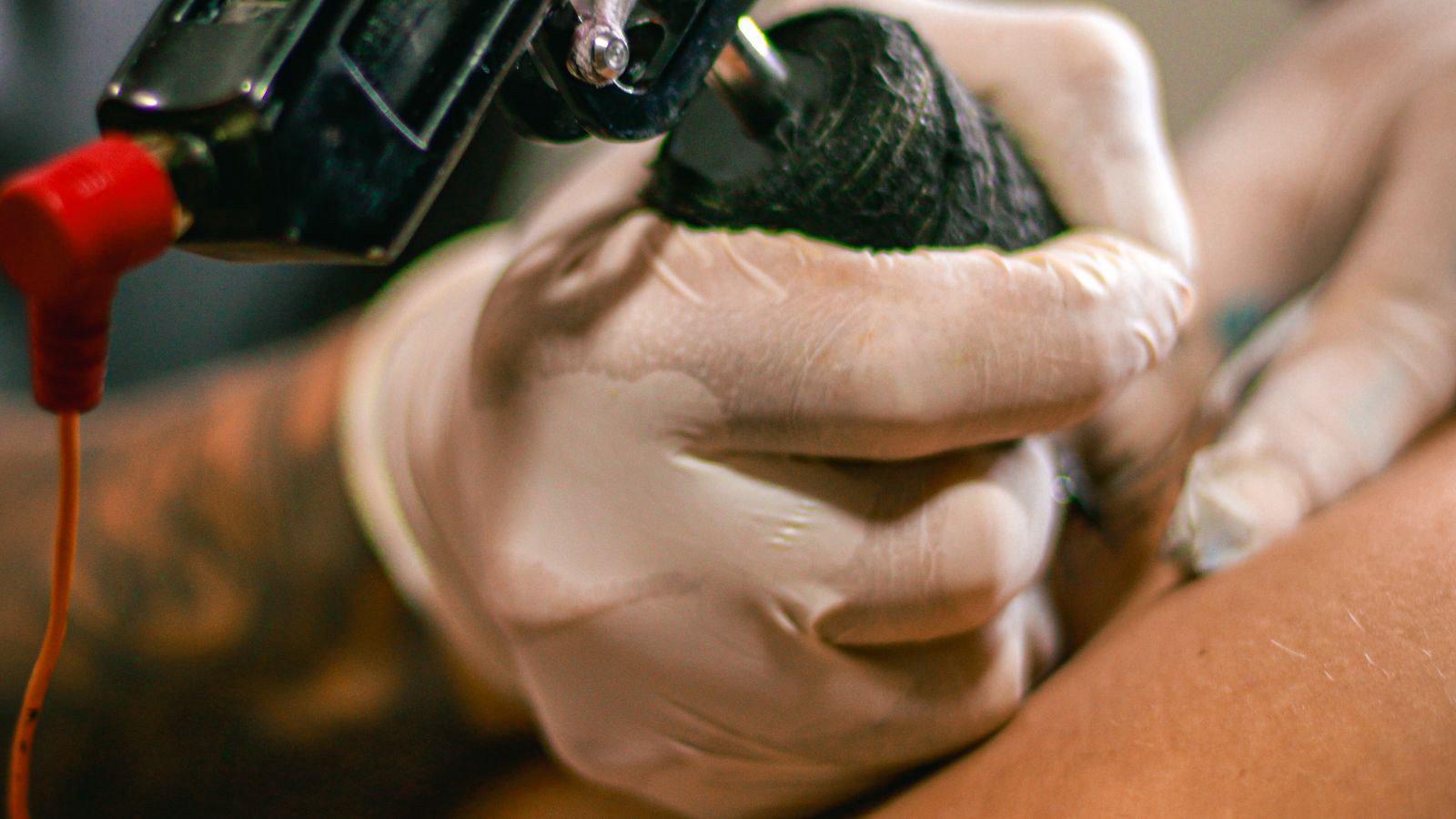
In machining, tolerance is the permitted variation from a target dimension. In tattooing, the nearest equivalent is depth and line weight. Ink placed too shallowly fades quickly. Ink placed too deeply can blow out and spread, leaving soft edges that bear little resemblance to the original design. Both failures look fine on the day, which is what makes them dangerous.
Depth control deserves the same rigour as any dimensional tolerance, although its results appear slowly. Within the first month you will see whether the lines stayed crisp or softened. That is why healed photographs tell you far more than fresh ones.
Reading a portfolio like an inspection report
Most portfolios showcase fresh work, photographed under studio lights moments after cleaning. No inspection report would accept that as proof of performance. You want images taken weeks or months after the session, once the skin has settled and the ink has shown its real behaviour.
Look for consistency across the whole collection. Does the artist handle different skin tones, sizes and styles well? Or does the feed contain one standout piece surrounded by weaker work? A dependable process delivers steady results across a range of clients, and that steadiness is harder to fake than a single impressive image.
Choosing a studio without guesswork
Book a consultation before committing to anything. A proper consultation feels like a technical discussion rather than a sales pitch. The artist should ask about your health history, your skin type and what the design needs to do over the years ahead. If the conversation wraps up in five minutes, that tells you how the rest of the process will run.
Questions worth raising include these:
- Which sterile steps do you follow for every session?
- Can I see healed tattoos you completed six months or more ago?
- What aftercare instructions do you provide in writing?
- How do you handle touch-ups or concerns after healing?
A studio with a clear process answers these without fuss. Vague replies tell you something too. A studio proud of its process will be glad to show it to you. Once you have a shortlist, compare the overall setup and cleanliness, then see how each one handles the consultation itself. If you want a practical picture of how one local operation approaches these standards, this website lays out its approach in more detail.
Process discipline shows up well beyond body art. Our team also follows the writing in aerospace insights, where traceability and process control come up again and again, and that reading keeps our own standards honest.
Design review before the first line goes in
Before any ink is loaded, the design should be reviewed on paper and then against the skin. Stencil approval is that checkpoint. You can see placement, scale and how the design flows across the body, and changes stay inexpensive at this stage. Once the stencil is on and the session begins, the margin for error shrinks quickly.
Placement often matters more than people expect. A composition that looks balanced on a flat sheet can feel awkward on a body that moves, bends and stretches. Changing the brief mid-session resembles a late design change on a production part. It is possible, but it costs time, adds risk and rarely finishes as cleanly as a change made during review.
Mistakes that cause rework
Most rework traces back to a few avoidable errors. Rushing the consultation comes first. When artist and client never fully agree on the design, the final piece drifts from what everyone pictured, and nobody is sure whose responsibility that is.
Skipping a patch test is the second error, especially for clients with sensitive skin. Cheap pigment is the third. It may look acceptable on day one yet fade unevenly or irritate the skin later. Finally, long flights or heavy training straight after a session slow healing and can damage fresh work. Plan your schedule around recovery rather than treating it as an afterthought.
Aftercare as scheduled maintenance
We think of aftercare as scheduled maintenance on a critical asset. The first 48 hours matter most. Keep the area clean, avoid soaking it and follow the artist’s written instructions closely. During week one, expect normal signs of healing, such as light scabbing and tightness, and resist the urge to pick or scratch.
Around the six-week mark the skin has usually settled, and that is when you can judge the final result honestly. Spreading redness, heat, swelling, unusual discharge or pain that worsens rather than eases all warrant a professional opinion. Do not wait it out. Contact the studio or a doctor promptly, because early attention almost always improves the outcome.
Frequently asked questions
How can I tell whether a Hanoi studio follows safe practice?
Ask to see the sterile steps before the session begins. Single-use needles, sealed ink and clean work surfaces should all be visible to you. A studio that follows safe practice explains each step without being asked twice, and it does not treat your questions as an inconvenience.
How long should a consultation take before a first tattoo?
A thorough consultation usually runs between thirty minutes and an hour, depending on how complex the design is. It should cover your health, the design, placement and aftercare. A rushed consultation is a warning sign in itself, particularly for larger or more detailed pieces.
Can I get tattooed before a work trip or flight?
That depends on the placement and how fresh the work is. In general, avoid flying or travelling heavily in the days right after a session, since sweating, pressure and friction can slow healing. Discuss timing with your artist before you book, so the schedule supports recovery rather than working against it.
If you want a studio that treats your skin with the discipline a quality team applies to a flight component, start with a consultation and ask the difficult questions. We are happy to walk through our process whenever you want to talk through a design before committing.