
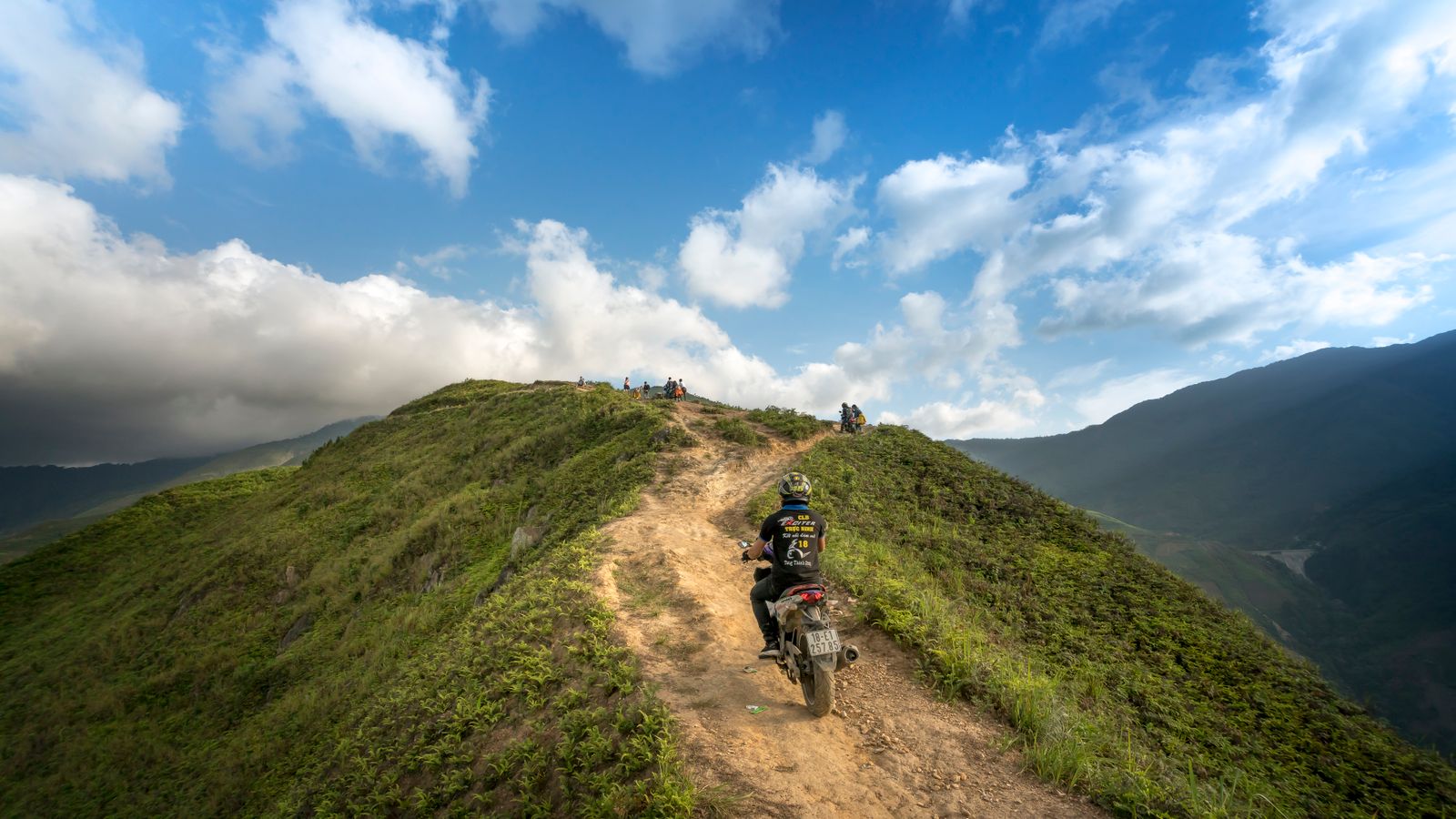
When our readers ask about a motorcycle tour in Vietnam, the same handful of questions keeps coming back. Which bike should I choose? Which roads are worth the detour? How far can I safely ride in a day? Our team was trained as engineers, so we approach these questions the way we would approach a technical brief. We define requirements first, then tolerances, then risks. A motorcycle tour in Vietnam becomes far more manageable once you treat it as a system rather than a wish list.
Building the Itinerary Like a Specification
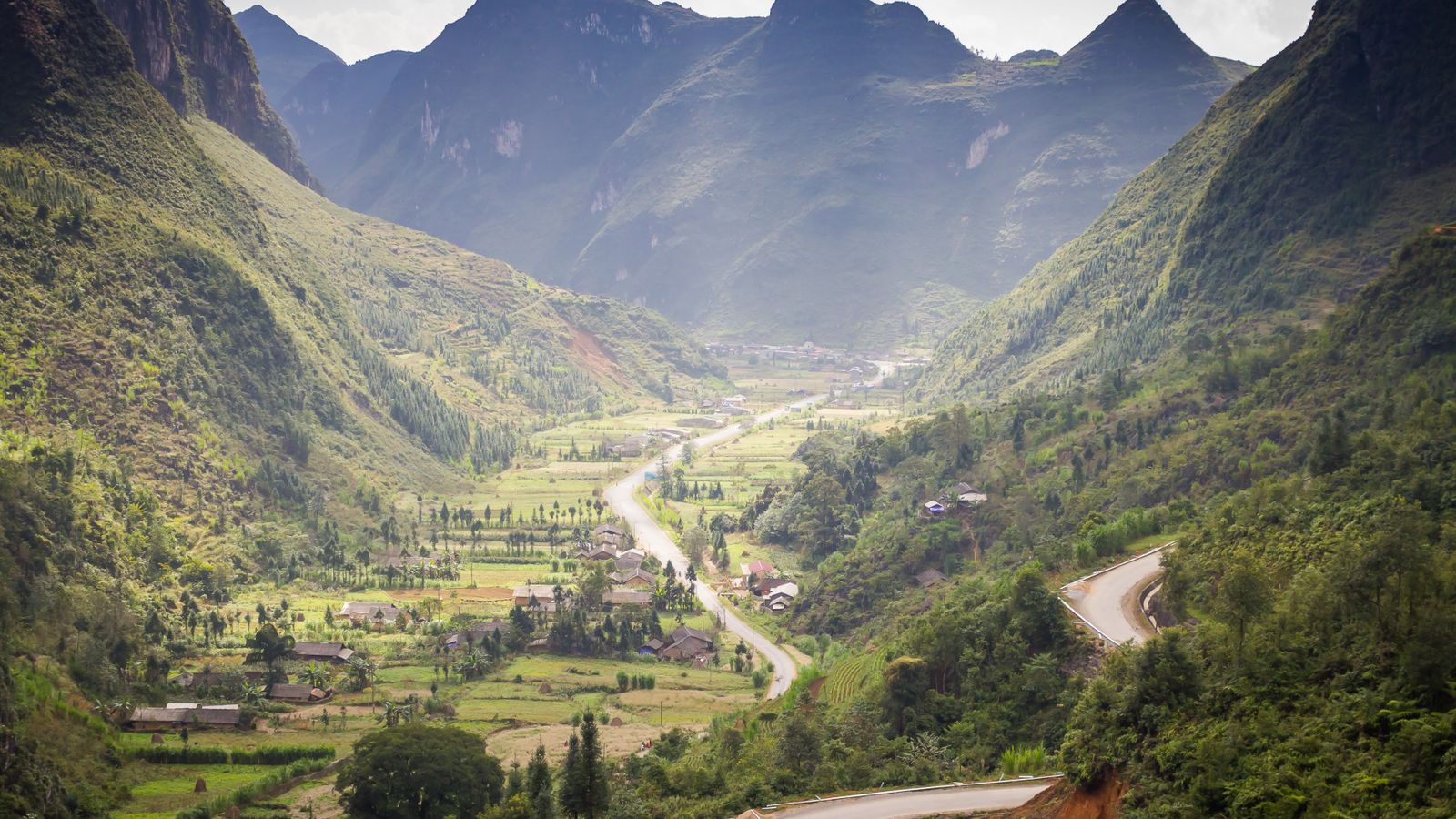
Think of an itinerary as a specification document. It lists what must hold true for the trip to succeed. Daily distance, fuel range, rest stops, and a fallback option for every leg all belong on that sheet. When one of those numbers drifts, you still have room to adjust without abandoning the plan.
We have watched riders lose an entire day because they had no alternative route when a mountain section was closed for repairs. Since then, we write a fallback into every route we design. It takes a little extra time on the planning side, but it removes the panic that usually follows an unexpected closure on the road.
Tolerances matter just as much. A rider who has built slack into the schedule will not rush a mountain pass to reach a guesthouse before dark. Rushing is where most incidents begin, which is why we deliberately insert buffer days into every route. On paper those days rarely look necessary. In practice they are often the reason a trip finishes on time and in one piece.
We also recommend writing down your assumptions. If you expect dry weather in the north in October, note it. If you assume a particular road is paved, verify it before you leave. Unchecked assumptions are the most common source of surprises on the road. A written list makes them easy to review each evening, and it forces you to notice the ones you were not even aware of making.
Matching the Machine to the Terrain
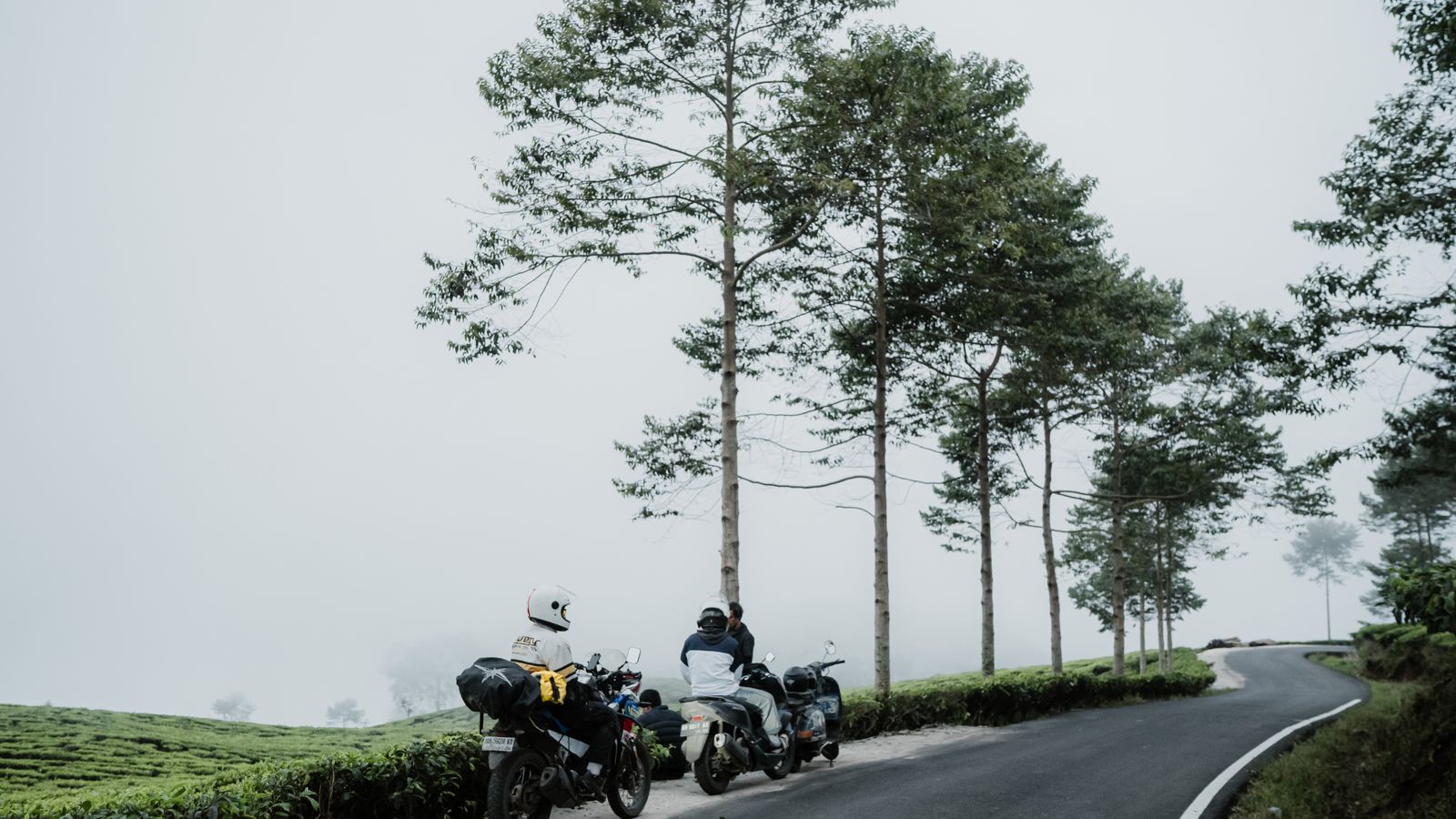
The bike you choose sets the boundaries of your route. Small manual motorcycles are light and forgiving on steep, broken pavement, but they can wear a rider down on long highway stretches. Semi-automatic models remove much of the clutch work, which makes stop-and-go traffic in the cities far less tiring. Larger touring machines cruise comfortably on national highways, yet their weight can feel awkward on tight mountain switchbacks.
Ask yourself what the bike will face most of the time. For the mountain roads of the north, a lighter machine with good low-end torque usually performs better than a heavy cruiser. For long coastal runs, comfort and fuel range carry more weight. Test ride whatever you intend to rent, ideally on terrain similar to your route, before you commit. A ten-minute loop around a parking lot tells you very little about how a machine handles a loaded descent.
Choosing a Route by Region
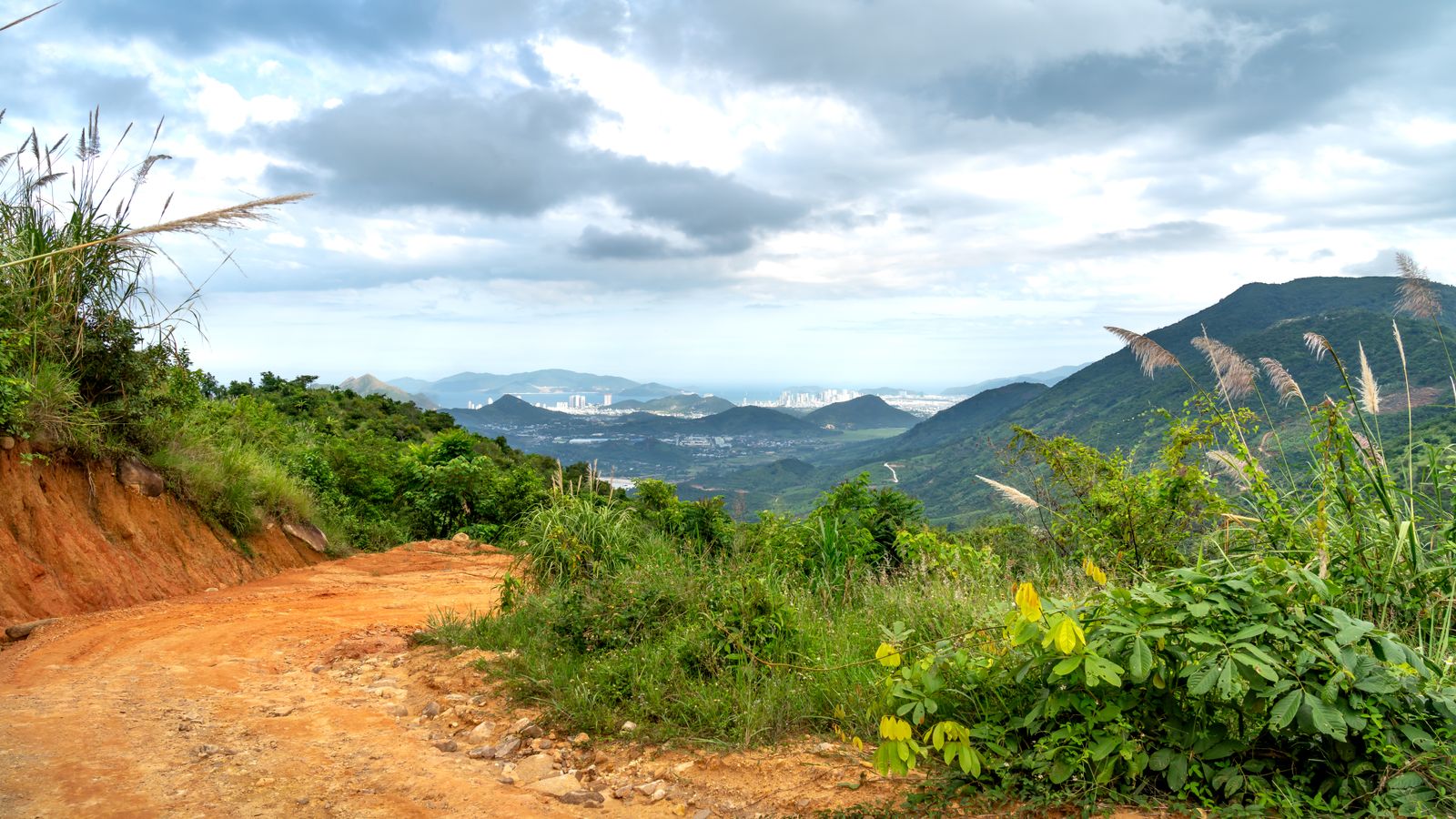
Vietnam is long and narrow, and each region has its own character. The northern loops climb high, offering cool mornings and roads that bend almost constantly. Expect shorter daily distances there, often between 150 and 200 kilometres, because average speeds stay low and the scenery invites frequent stops.
The central coast is flatter and faster, so riders can cover more ground in a day. Wind and heat become real factors through the afternoon, however, and fatigue builds quickly under the sun. Some sections of the Ho Chi Minh Trail are remote, with long gaps between fuel stations and repair shops. Our practice is to start those legs with full tanks and carry a spare inner tube.
Route choice should also reflect your experience level. A first-time rider may prefer a mix of quieter provincial roads and a few well-supported highlights. Experienced riders often seek the longer, more demanding mountain passes. Both approaches work well when the plan matches the rider, so it is worth being honest with yourself about which group you belong to.
Pre-Ride Checks That Take Five Minutes
Before any long ride, we run a short inspection each morning. It takes roughly five minutes and catches most problems before they turn into emergencies. Start with the tyres, checking pressure and looking for cuts or embedded debris. Then test both brakes. A soft lever usually signals air in the line or worn pads, and neither should be ignored on a mountain descent.
Next, check chain tension and lubrication, then confirm the engine oil level. Finish by testing the lights and horn. These items sound elementary, yet roadside failures on a multi-day tour almost always trace back to one of them. A loose chain or low oil can leave you stranded far from any workshop, and a few minutes of attention each morning prevents that outcome.
Guided or Independent: A Fair Comparison
Guided and independent tours suit different kinds of riders, and neither is inherently better. A guided trip costs more, but it usually includes a support vehicle, a local guide who reads traffic and weather, and a mechanic who handles breakdowns. Independent riding offers complete freedom to stop whenever a view catches your eye, though you carry more of the risk yourself.
If this is your first time riding in Vietnam, a guided format usually makes the learning curve gentler. Reviewing guided Vietnam motorbike routes side by side lets you compare the available formats before deciding what suits your skill level and budget.
Licences, Insurance and Local Rules
Sort out your licence and insurance before you arrive. An international driving permit alone is not enough for most foreign riders. You also need a valid licence from your home country that covers the motorcycle class you intend to ride. Confirm that your travel insurance explicitly includes motorcycle riding, since many standard policies exclude it or limit coverage to passengers.
Helmets are mandatory, and police checkpoints are common, particularly near larger towns. Carry your documents at all times and keep digital copies on your phone. Fuel is typically sold by the litre at roadside stands and small shops, so keep small-denomination notes on hand for those stops. For up-to-date guidance on regional rules and vehicle standards, the official portal of the Vietnam Ministry of Transport is a reliable reference.
Packing for Heat, Rain and Cold Passes
Vietnam can move from hot lowland afternoons to cold mountain mornings within a single day. Pack in layers you can add or remove quickly. A light waterproof jacket serves you better than a heavy coat, since rain often arrives in short, intense bursts followed by sunshine. We have found that a thin thermal layer under the jacket handles most of the mountain mornings we encounter.
Bring impact-rated protective gear, gloves, and boots that cover the ankle. Include a basic tool kit, a tyre repair set, and a spare phone battery. Charging options on remote roads are limited, and a dead phone can turn a minor problem into a serious one.
Budgeting for a Two-Week Ride
Costs depend heavily on the bike and your comfort preferences, but the main categories stay consistent: rental, fuel, accommodation, meals, and repairs. Rentals and fuel usually account for the largest share. We advise keeping a repair reserve of at least a few hundred dollars, because a single tyre replacement or clutch job can cost more than a night in a good guesthouse.
Budget fuel by distance. Once you know your bike’s range, plan refuelling at towns rather than waiting until the tank nearly runs dry. That habit prevents the costly last-minute detours that quietly erode a budget, and it keeps you from searching for a station in the dark.
Mistakes That Cut Trips Short
Most early returns we witness come from a few recurring errors. Riding after dark is the first. Road lighting is patchy, and livestock or unlit vehicles can appear without warning. Overloading is the second. A heavy pack alters braking and handling, particularly on steep descents. Skipping rest days is the third. Fatigue dulls judgement long before it feels dangerous, and by the time a rider notices, the margin for error has already shrunk.
Build at least one rest day into a two-week plan. It costs little and protects everything else on the itinerary. The riders who finish strongest are rarely the fastest. They are the ones who respected their own limits early.
Frequently Asked Questions
When is the best season to ride in Vietnam?
The dry season in the north generally runs from October to April, bringing clearer skies and cooler temperatures. The south is at its best from December to April. Rainfall peaks in the central region during the autumn months, so check the forecast before you commit to dates.
Can foreigners ride legally?
Foreigners can ride legally when they hold a valid licence for the correct motorcycle class and carry the required documents. Recognition rules can change, so confirm current requirements with your provider or embassy before travelling. Riding without proper documentation can lead to fines and insurance complications.
How far should I ride each day?
For most riders, 150 to 250 kilometres a day is a comfortable target in Vietnam, depending on terrain. Mountain roads slow progress considerably, so plan shorter days there and longer ones along the flatter coastal stretches.
What should I do after a breakdown?
Pull over safely, switch on the hazard lights, and call your rental or tour provider first. Describe the symptoms clearly and send a photo if possible. Avoid attempting major repairs on a busy road, and keep receipts for any work performed so your insurer can process a claim.
If you are planning your first ride and would like a second set of eyes on your route and budget, learn more about how we structure trips, or get in touch and we will walk through the details with you.