
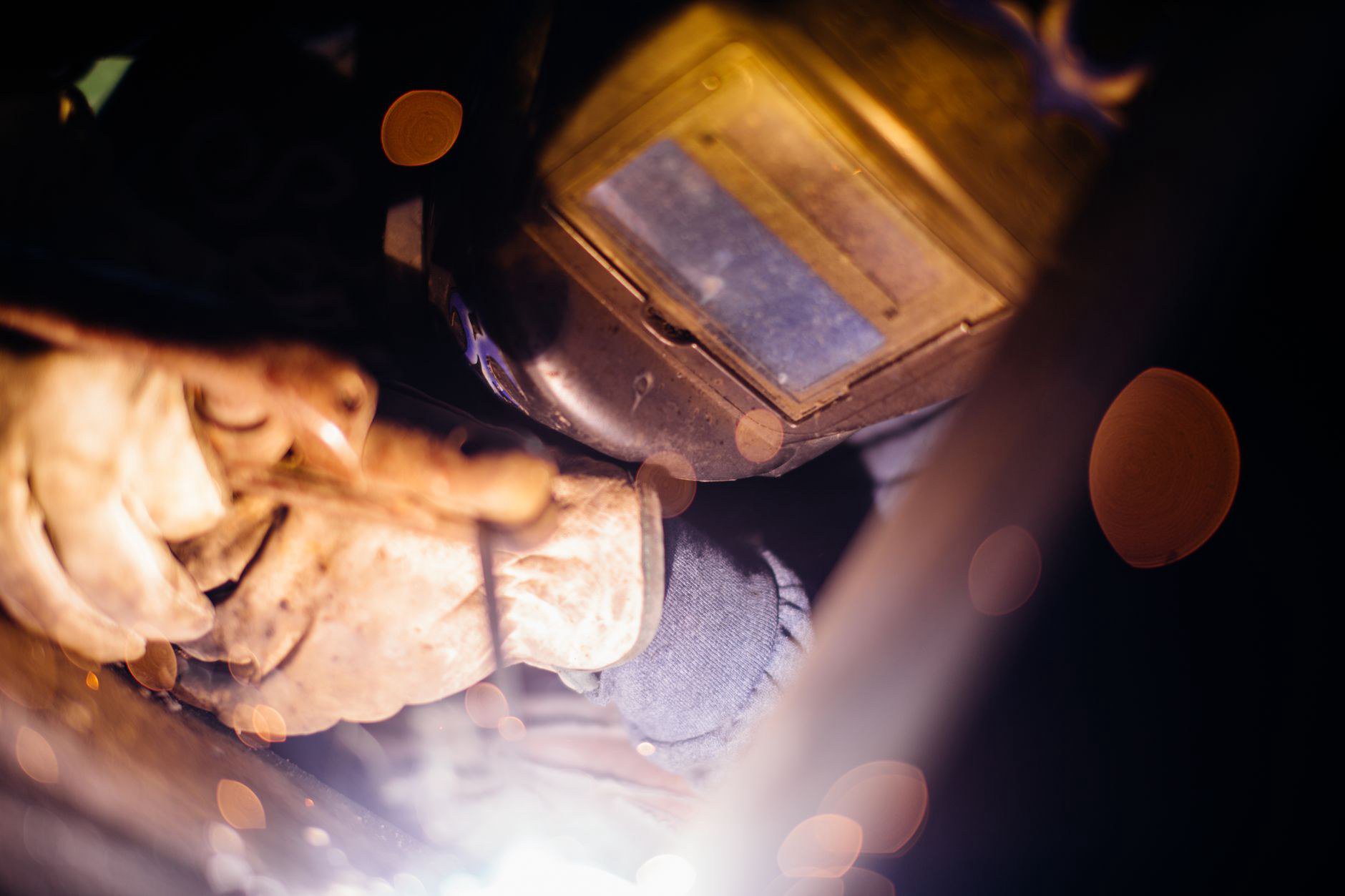
Executing precise TIG welding aerospace structural assemblies is fundamental to producing high-integrity airframes, engine ducts, and rocket propulsion housings. Gas tungsten arc welding delivers exceptional control over heat input and weld pool geometry. Aerospace alloys require uncompromising joint strength and fracture resistance under dynamic flight loads. This comprehensive technical guide details the metallurgy, shielding strategies, and parameter control needed to meet strict flight qualification benchmarks.
Modern aerospace manufacturing relies on a synchronized production system. Machine kinematics, cutting geometries, high-pressure coolants, and metrology must work seamlessly together. When any single factor drifts, tool breakdown occurs rapidly and part quality suffers. Welding engineers must design each process with repeatability and structural safety as top priorities.
Core Metallurgy in Aerospace Welded Structures
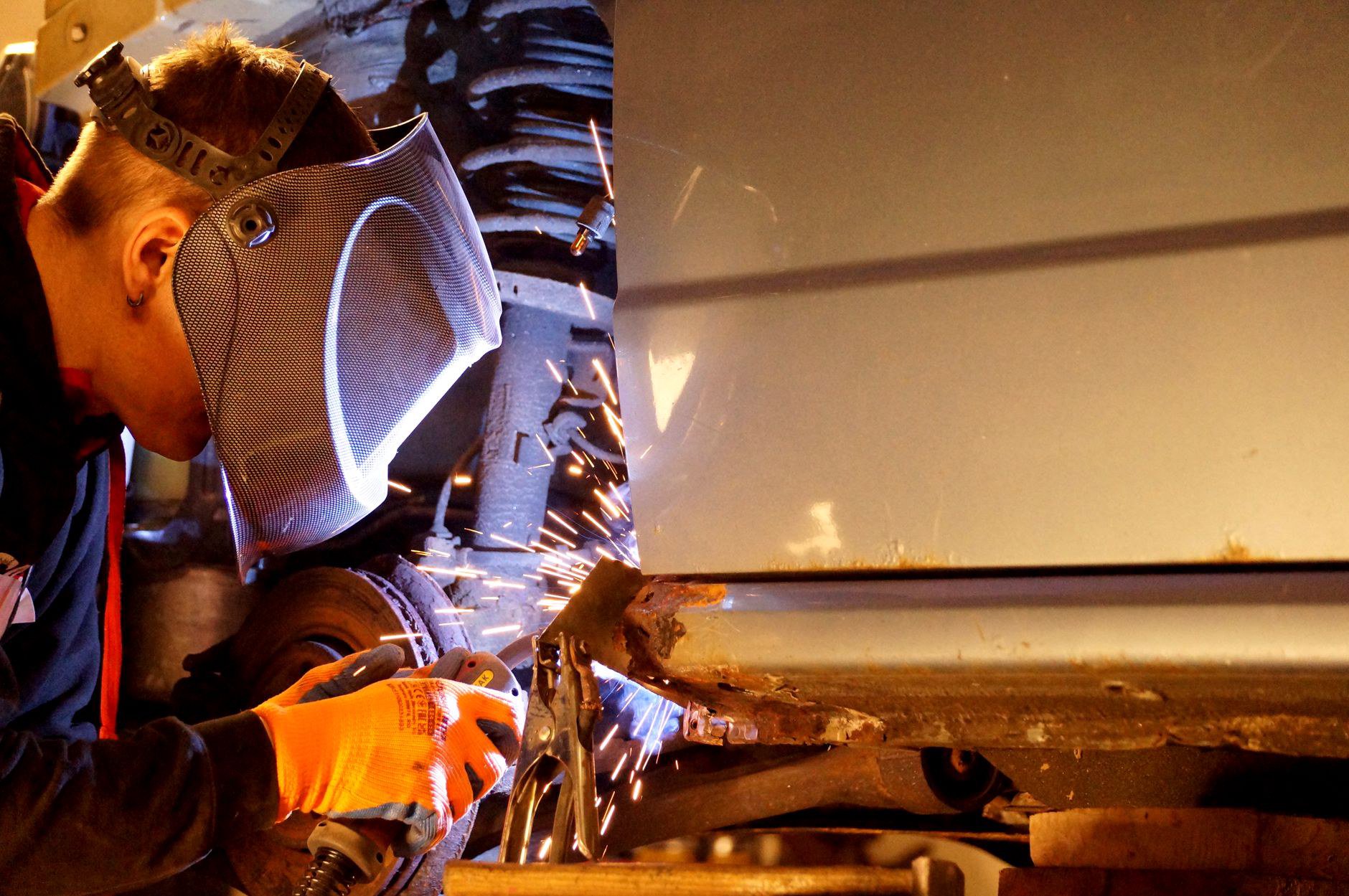
Aerospace manufacturing utilizes diverse high-performance alloys. Titanium grades, precipitation-hardening nickel superalloys, and advanced aluminum series dominate primary structures. Each material family presents distinct physical behavior during the rapid thermal cycle of welding.
For example, Inconel alloys are prone to microfissuring in the heat-affected zone. Meanwhile, aluminum alloys demand rapid oxide layer removal via alternating current cleaning cycles. Integrating disciplined precision machining practices ensures joint bevels align with zero gap tolerances.
Furthermore, phase transformations during cooling can induce harmful tensile stresses within the weld matrix. Skilled welding engineers select filler alloys with tailored chemical compositions to suppress cracking. Balancing delta ferrite content in austenitic stainless steels prevents hot cracking during solidification. Each alloy combination requires thorough mechanical testing before production authorization.
Shielding Gas Purity and Trailing Shield Management
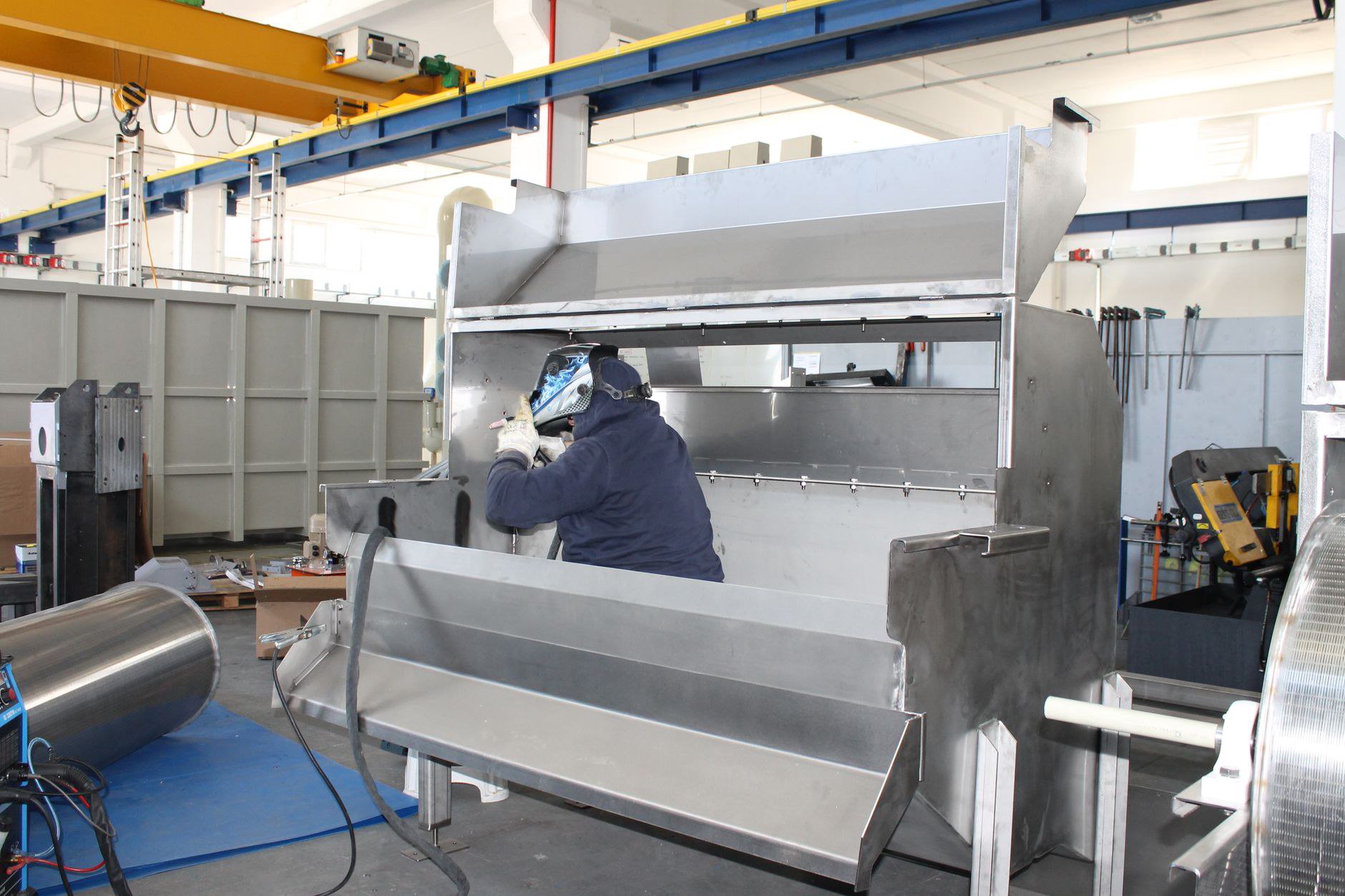
Atmospheric contamination poses the greatest hazard to reactive metals like titanium and zirconium. Molten weld pools react instantly with atmospheric oxygen, nitrogen, and hydrogen at temperatures above 400 degrees Celsius. This chemical reaction causes severe embrittlement and catastrophic joint failure.
High-purity argon with 99.999% purity serves as the standard shielding gas medium. Welded tubular assemblies require auxiliary trailing shields to protect cooling beads behind the torch. Internal purge dams flood enclosed root passages until metal temperatures fall below dangerous oxidation thresholds.
Gas flow rates must be carefully calibrated to maintain smooth laminar flow. Turbulent flow draws ambient air into the gas envelope, leading to rapid discoloration and porosity. Dual-stage regulators and moisture analyzers continuously monitor gas dew points throughout fabrication shifts. Any contamination in the supply lines triggers an immediate halt to ongoing welding operations.
Tungsten Electrode Selection and Geometry Preparation
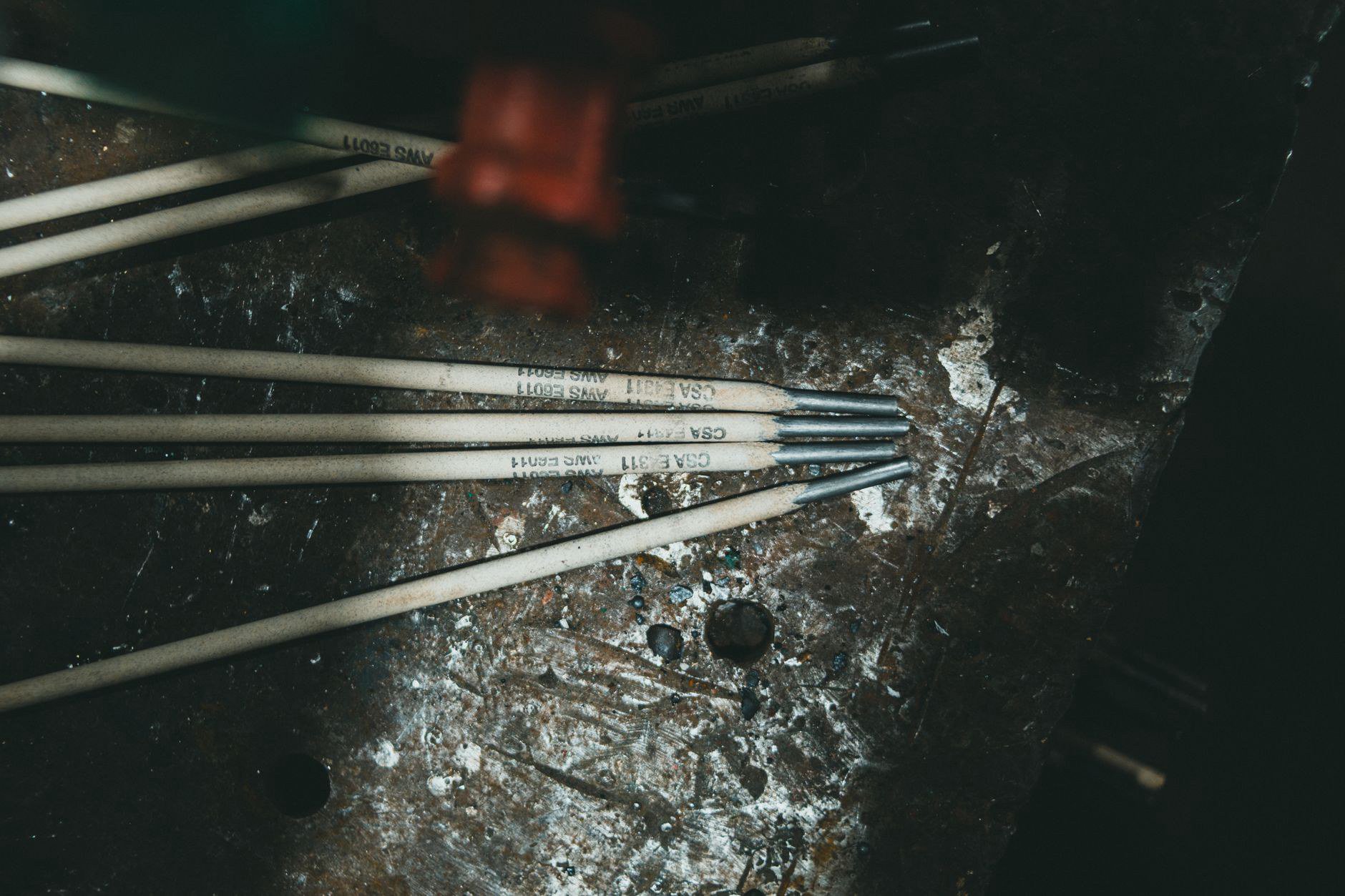
Selecting the proper non-consumable tungsten electrode directly determines arc stability and bead penetration profile. Rare-earth formulations such as two percent lanthanated or ceriated tungsten provide superior arc ignition. They eliminate radioactive hazards associated with legacy thoriated alloys.
Electrodes require longitudinal grinding on diamond wheels to establish concentric grind striations. Circumferential grinding induces arc wander and erratic current distribution. Grinding a slight flat on the sharp electrode tip prevents molten tungsten expulsion into the puddle under high pulse peaks.
Proper electrode stickout must balance visibility against gas coverage effectiveness. In tight joint geometries, gas lens assemblies provide a cohesive column of inert gas over longer distances. Operators inspect electrode tips frequently to detect erosion or spitting before defects transfer into the weld pool. Consistent geometry yields predictable arc voltage and penetration depth.
Advanced Pulsed Current Dynamics and Heat Input Control

Excessive thermal accumulation degrades the parent material grain structure and creates unacceptable part distortion. Pulsed TIG welding alternates between high peak current and low background current at frequencies up to five hundred hertz. High peak pulses establish instant weld penetration without overheating adjacent parent metal.
Background current maintains arc continuity while allowing the frozen puddle to cool rapidly. This tight thermal cycle constricts the arc column and produces narrow, uniform weld seams. Precision fabricators apply this dynamic control when fabricating thin-wall turbine exhaust collectors detailed in our report on modern jet engine engineering systems.
High-speed pulsing also generates electromagnetic stirring within the molten weld pool. This agitation refines the solidification grain structure, converting coarse columnar grains into finer equiaxed grains. Finer grain boundaries dramatically enhance fatigue resistance under dynamic cyclic pressurization. Modern programmable digital power sources allow precise synchronization of wire feed pulses with peak current intervals.
Surface Preparation and Chemical Decontamination
Aerospace welding specifications forbid any presence of machining lubricants, organic oils, or surface oxides. Mechanical wire brushing using clean stainless steel bristles breaks thick oxide films. Technicians must reserve dedicated brushes solely for specific alloy groups to prevent cross-contamination.
Solvent degreasing using fast-evaporating reagents removes residual hydrocarbons immediately before assembly fit-up. Clean lint-free gloves protect cleaned parts during assembly transfers. Parts left exposed on the shop floor for over four hours must undergo complete re-cleaning before welding starts.
Acid pickling and chemical etching processes provide superior chemical cleanliness for high-volume structural components. Chemical baths dissolve heavy oxide layers and passivation scale uniformly across complex internal channels. After chemical treatment, deionized water rinses remove trace acids, followed by forced hot air drying in cleanroom environments.
Fixturing, Backing Bars, and Thermal Heat Sinks
Thin-gauge aerospace skin panels deflect rapidly when exposed to localized arc temperatures. Heavy copper or brass backing chill bars draw excess heat away from weld roots. Integrated backing grooves channel secondary argon purge gas to form pristine, smooth root beads.
Rigid hydraulic or pneumatic clamps hold workpieces firmly against precision tooling reference pins. Uniform clamping pressure prevents angular distortion across long longitudinal seams. Careful tooling engineering aligns with modern aviation technology standards to ensure tight aerodynamic dimensional tolerances.
Thermal management tooling often incorporates internal liquid cooling channels to sustain stable fixture temperatures during automated production. Consistent baseline temperatures eliminate thermal drift between successive welded components. Modulated clamp sequences prevent binding as metal expands during heating and contracts during solidification.
Non-Destructive Testing and Quality Inspection
Class A aerospace structural joints undergo comprehensive non-destructive examination prior to service deployment. Visual inspection verifies complete sidewall fusion and confirms the total absence of undercut or surface porosity. Color inspection on titanium welds ensures oxide tinting remains within pale silver-straw limits.
Fluorescent dye penetrant inspection identifies sub-microscopic surface-breaking fissures along the weld toe. High-resolution digital radiography scans the internal weld matrix for tungsten inclusions and hidden gas pockets. Ultrasonic phased-array testing evaluates root penetration on heavy structural forgings.
In addition to post-weld inspection, real-time arc monitoring systems track electrical signatures during deposition. Current spikes or voltage fluctuations signal immediate process anomalies to the supervisory control system. Automatic data logging ensures complete traceability for flight safety investigations.
Qualification and Traceability Standards
Welding operators and automated orbital robotic cells must hold active certifications to AWS D17.1 specifications. Procedure qualification records document every welding variable, from wire feed speed to interpass temperatures. Calibrated data loggers record live voltage and current readings for each individual weld seam.
Welded structures used in specialized applications like specialized frames from Boomerang Ski Bikes also prove the necessity of rigorous metallurgical integrity under severe physical stress. In aerospace, total digital traceability links each welded part directly to filler wire heat numbers and operator logs for decades of flight service.
Auditors verify calibration certificates for all power supplies, flowmeters, and inspection instruments annually. Maintaining tight configuration management prevents unapproved changes to qualified process recipes. Stringent material control guarantees that replacement components match original design intent throughout aircraft service lives.
Conclusion
Achieving excellence in TIG welding aerospace structural assemblies requires harmonious integration of metallurgy, tooling, and parameter discipline. By controlling thermal input and maintaining absolute gas purity, manufacturers produce robust joints capable of withstanding extreme flight environments. Strict adherence to process standards guarantees repeatable quality and structural safety in every flight assembly.