
Titanium looks forgiving on paper. It is strong, light, and resists corrosion better than most metals. On the shop floor, however, it punishes shortcuts very quickly. When our engineering team reviews rework cases across aerospace and precision manufacturing programs, the costly failures rarely come from exotic causes. They come from a small set of habits that repeat from one workshop to the next. Titanium alloys demand discipline at every stage, from grade selection to final inspection. This guide walks through the top 10 common mistakes with titanium alloys we have encountered most often, and explains how to prevent each one before it reaches a finished part.
How We Selected the Ten Mistakes
We did not assemble this list from a textbook alone. Our selection favors mistakes that keep reappearing in different machine shops and welding cells, particularly those that affect structural integrity or become expensive to correct once a part is already in process. Where a point comes from hands-on experience rather than a published standard, we say so clearly, so that you can weigh it accordingly.
Treat any specific cutting speed or welding parameter discussed here as a starting reference only. Verify it against your material supplier’s data and the governing specification before production. Shop conditions, machine rigidity, and tool geometry all shift the working window considerably, and a parameter that works on one machine can fail on another.
Mistakes One and Two: Material Selection
Ti-6Al-4V is the workhorse of the titanium family. Because it is widely available and thoroughly characterized, design teams often specify it by default. That habit is where many problems begin. Operating temperature, load profile, and environment should drive the grade choice from the very first design review. Convenience, or whatever happens to be in stock, should never make that decision.
We have seen assemblies specified with a standard grade for components that later faced sustained elevated temperatures. The outcome was a costly redesign late in the program, and the schedule impact far exceeded any savings from the original choice. Confirm the working envelope early, then match the grade to it. A short conversation with the material supplier at the concept stage costs almost nothing compared with a redesign after tooling has already been ordered.
Mistakes Three to Five: Machining Practice
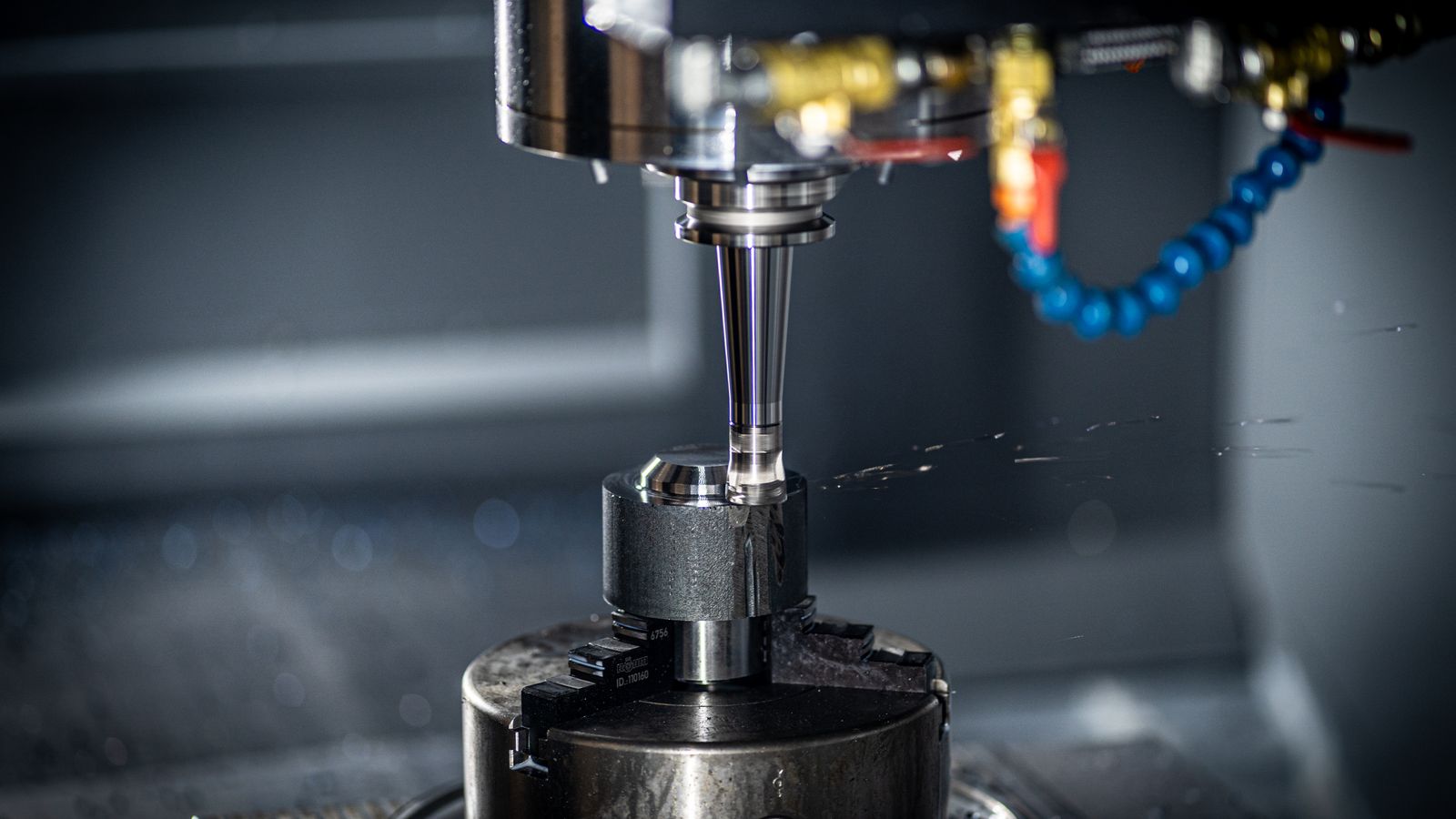
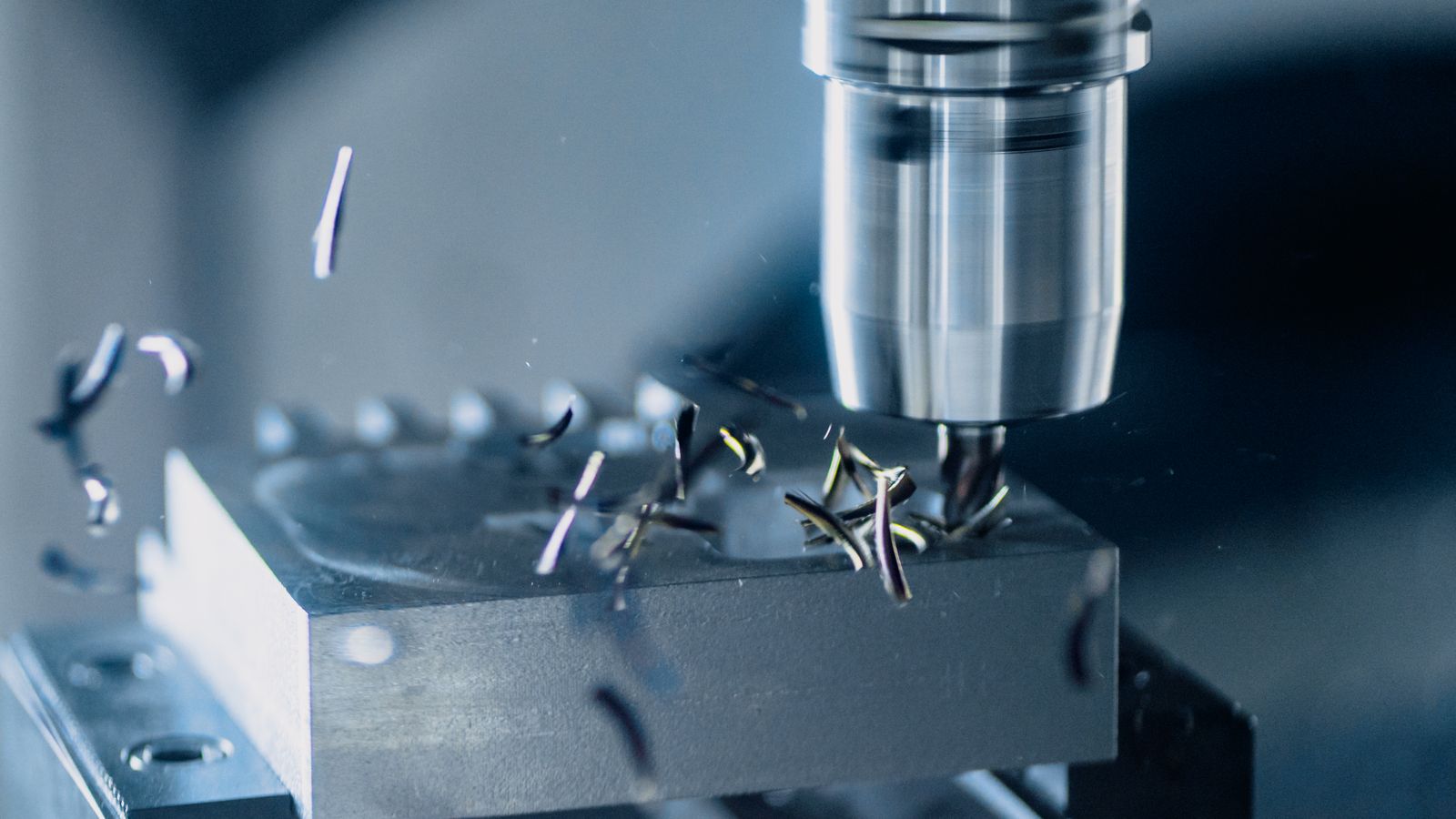
Titanium has low thermal conductivity, so heat concentrates at the cutting edge rather than leaving with the chip. Push the speed too high and the surface begins to deform or discolor. General-purpose tooling wears out rapidly in this material, and coolant that fails to reach the cutting zone does very little good. Because heat is trapped at the tool-workpiece interface, geometry, feed, and coolant delivery must be set together rather than tuned one at a time.
One shop we worked with ran a component somewhat faster than recommended to recover a delayed schedule. The part emerged with a discolored surface layer that had to be removed. The additional material removal and reinspection consumed far more time than the speed gain had saved, and the lesson stuck with the team for good.
- Lower cutting speed when chatter or discoloration appears, then retune the feed.
- Select tooling rated for titanium rather than repurposing steel inserts.
- Direct coolant at the cut itself, not merely into the general work area.
Mistakes Six and Seven: Welding and Surface Contamination
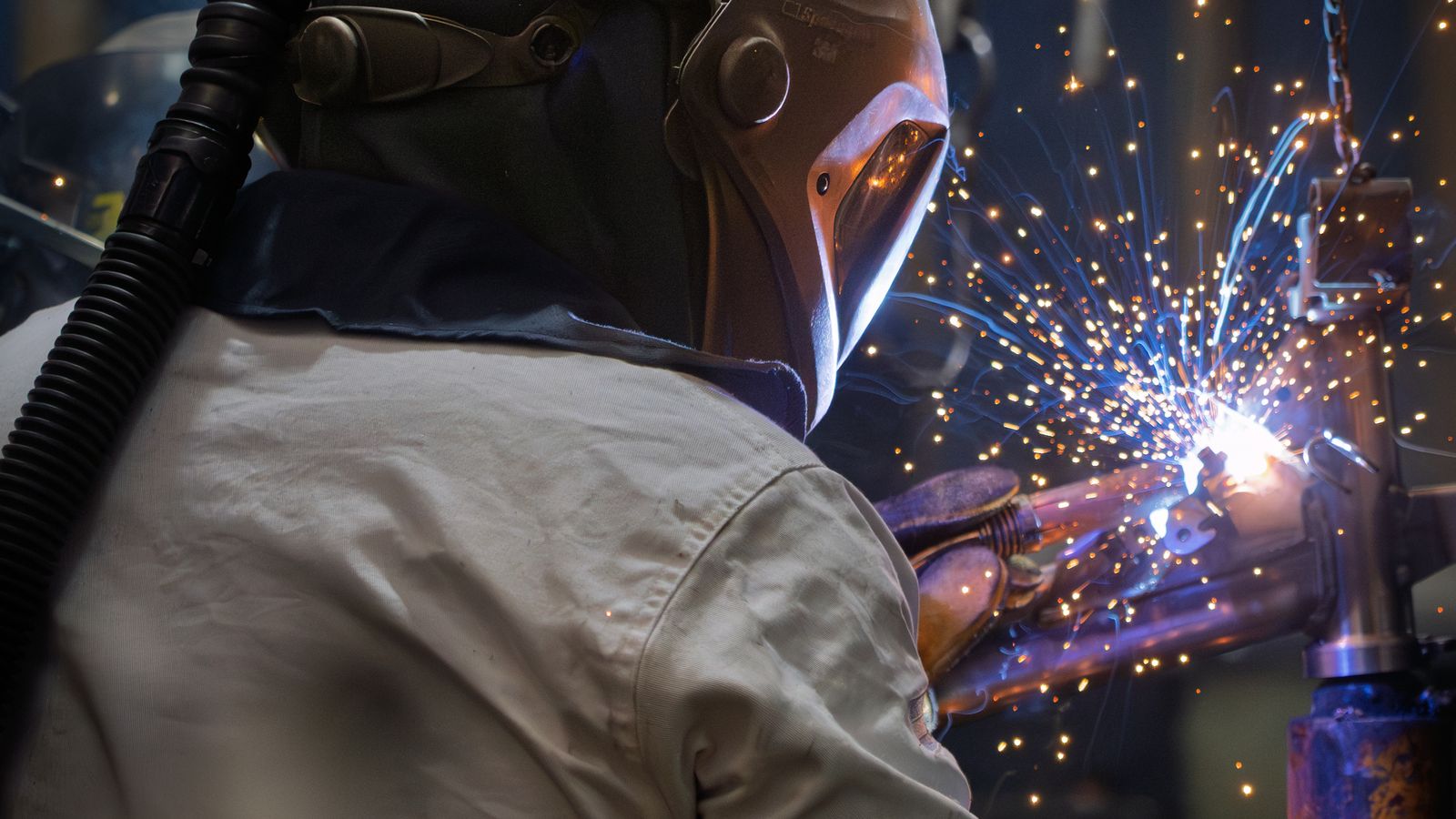
At elevated temperature, titanium readily absorbs oxygen and nitrogen from the surrounding air. Welding or heating without adequate shielding gas leaves behind a brittle, contaminated layer that may look acceptable to the eye. Many teams also skip removing the alpha case, the hardened surface that forms during thermal exposure, before the part enters service. That layer can degrade fatigue performance in ways a quick visual check will never reveal, and it is one of the most underestimated risks in titanium work.
Verification is straightforward but must be performed deliberately. Take a cross-section, measure microhardness from the surface inward, and compare the profile against the acceptance threshold in your standard. A surface that still reads hard near the edge is not ready for release, regardless of how clean it appears. For structural welds, pair this with a review of the shielding setup on every shift, because gas coverage drifts more often than people expect.
Mistakes Eight and Nine: Handling, Cleaning, and Inspection
Oil, grease, and chlorinated cleaning agents can initiate stress cracking in titanium, particularly under sustained load. Steel tools that also contact titanium can transfer iron particles into the surface, creating a contamination problem that surfaces later in the process. We have also encountered parts inspected with nondestructive testing before proper cleaning. Residue masked indications, and the inspection produced a false sense of security that cost the program weeks.
Establish a validated cleaning sequence and dedicate tools to titanium wherever possible. Schedule nondestructive testing after cleaning, not before it, so that the results reflect the true condition of the surface. Keep a simple log of which cleaning agents touch which parts. When a crack appears months later, that record is often the fastest route to the root cause.
Mistake Ten: Storage and Traceability
Finished parts deserve the same discipline as the machining that produced them. Store components dry, clean, and separated from chemicals that could attack the surface. Label each lot so it can be traced back to its material certificate and processing records. Traceability feels like paperwork until a batch must be recalled, at which point it becomes the most valuable record in the file. Plan for it from day one, not after the first nonconformance.
Summary of the Ten Mistakes
The ten mistakes fall into a handful of recurring patterns: wrong material selection, aggressive machining, poor shielding and surface finishing, contamination during cleaning, and weak storage and traceability. Addressing them early is far cheaper than discovering them at final inspection. Use this list as a checklist during process reviews, and verify every numeric parameter against supplier documentation before applying it on the floor. For deeper reading on related manufacturing topics, see our guide to titanium alloys in aerospace machining, and for the broader context of the field, visit DCM Aeronautique.
Frequently Asked Questions
Is titanium alloy easy to machine?
Not especially. It is manageable with the right tooling, coolant delivery, and speeds, but it is far less forgiving than steel. Teams that approach it the same way they approach steel usually pay for that assumption in tool life and surface quality.
Do small workshops need shielding gas for titanium welding?
Yes. Shop size does not change the metallurgy. Without argon shielding, the weld absorbs oxygen and nitrogen and becomes brittle, regardless of how skilled the welder is. Smaller operations face the same contamination risk as large ones.
How do you confirm the alpha case has been fully removed?
Take a cross-section and measure microhardness from the surface inward. If the profile still exceeds the limit set in your standard near the edge, the layer remains. Confirm the acceptance threshold with your customer or the governing specification before release.
Is titanium a good choice for marine environments?
It resists seawater corrosion very well, which is why it appears in marine hardware. The real risks come from galvanic contact with dissimilar metals and from crevices where residue collects. Joint design and electrical isolation require careful attention.
How expensive is rework on titanium parts?
It depends heavily on the part and on the stage where the error is caught. Finding a problem before machining is inexpensive. Scrapping a finished, high-value component after the fact can cost many times the original part. Figures vary by supplier and program, so build your planning around your own cost data.