
Top 7 things to know about avionics is a question most engineers approach with healthy caution, and for good reason. Avionics covers every electronic system on board an aircraft, from navigation receivers and communication radios to the cockpit displays pilots rely on in every phase of flight. Our team narrowed the subject to seven points using three filters: how directly each one affects flight safety, how often it surfaces in day-to-day maintenance, and how often it gets misunderstood. Whether you are an aerospace engineer, a technician entering the field, or a fleet manager who wants firm footing in precision avionics, there is something here for you.
How avionics systems are grouped

Before anything else, you need a working map. We usually divide avionics into three broad families. The first covers navigation and positioning, including GNSS, ILS and VOR. These systems tell the aircraft where it is and where it should head next. On the approach procedures we have worked through over the years, they form the backbone of everything else. Get these wrong and nothing downstream can be trusted.
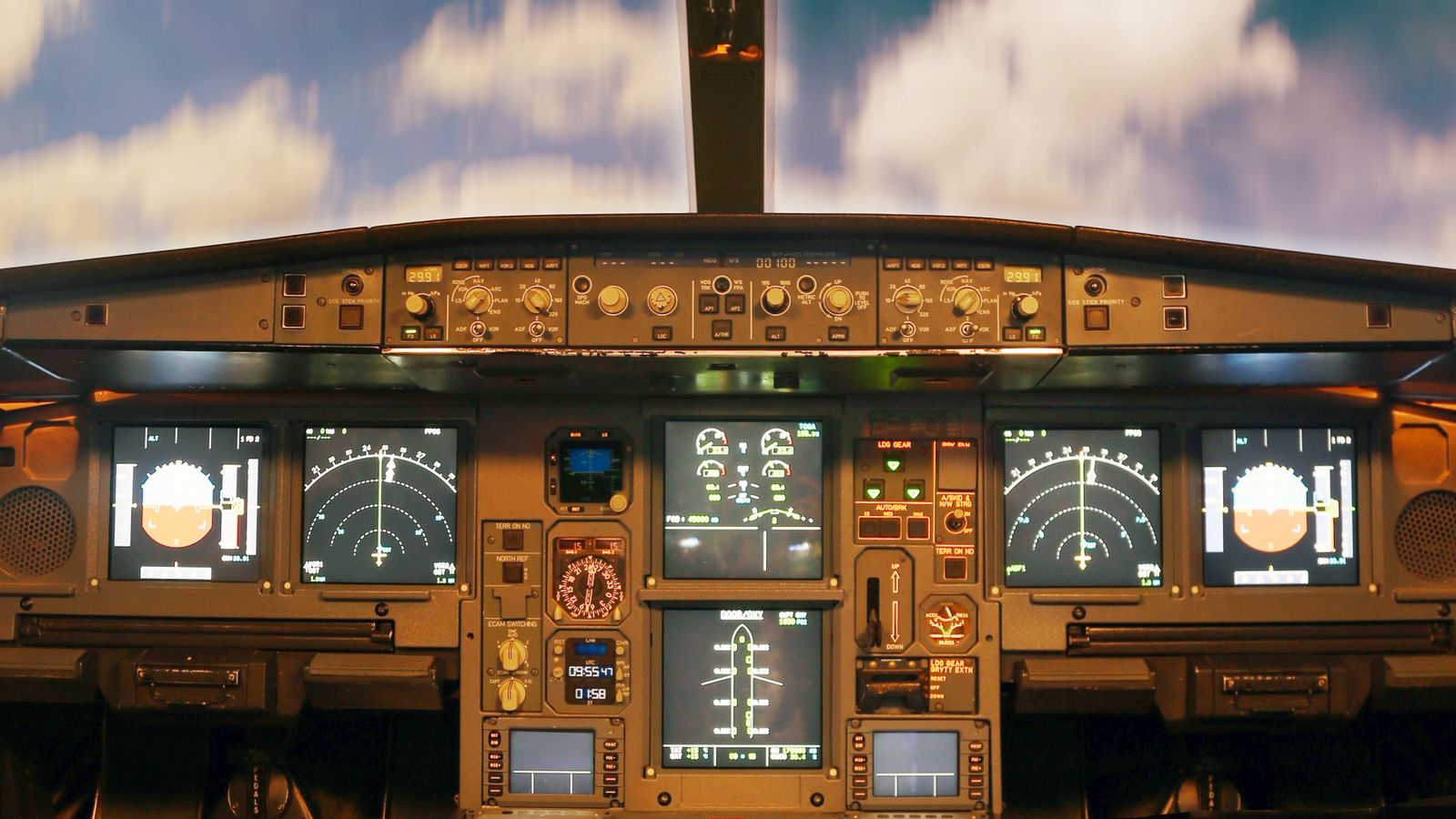
The second family handles communication. VHF and HF radios keep the crew in contact with air traffic control, while satellite data links carry operational messages back to the ground. The third family covers displays and flight deck systems such as EFIS and multifunction displays. This is where pilots read the information that shapes nearly every decision they make in the air, and it is also where small layout or software choices can have outsized effects on workload.
These groupings are not universal. Each operator, and each generation of aircraft, may organise the same equipment differently. When you work from a specific manual, check how that document defines its categories before drawing conclusions. Otherwise an analysis that looks perfectly reasonable can quietly rest on the wrong assumptions, and you only discover the mismatch when a technician asks why the part numbers do not line up.
Certification decides what can fly
Newcomers often assume that a technically excellent unit is automatically usable. In aviation it is not. Equipment must hold the appropriate approval from the regulator. In Vietnam that authority is the Civil Aviation Authority of Vietnam (CAAV), working within the broader framework of ICAO recommendations. Approval is not a formality you tack on at the end of a project; it shapes the design from the first sketch.
Software is typically assessed against DO-178, while hardware falls under DO-254. The exact edition of each standard that applies has to be confirmed for every project. We have seen teams carry a revision over from an earlier job out of habit, and it caused rework that a single check at the start would have prevented.
A unit without the right certification cannot be installed, however advanced or expensive it may be. In our experience, most delays on procurement projects trace back to incomplete certification paperwork rather than to the hardware itself. That is why we now begin the certification review on day one, not after the parts arrive on the dock.
Redundancy is the core of safety design

Picture a vehicle whose steering depends on a single component with no backup. Avionics designers work hard to avoid exactly that situation. Systems that directly affect flight safety are usually built with at least two independent channels, such as parallel sensors and dual flight computers, so that a single failure does not remove the function entirely.
Redundancy carries a price. Every extra channel adds weight, cost and maintenance complexity. We have watched teams over-engineer a non-critical function simply because they were nervous about the critical ones. The real skill lies in deciding how much redundancy each function genuinely needs, and in documenting that reasoning clearly enough that the next engineer can follow it without guessing. A good design record explains not only what was built but why the alternatives were rejected.
Fault diagnosis starts with the data
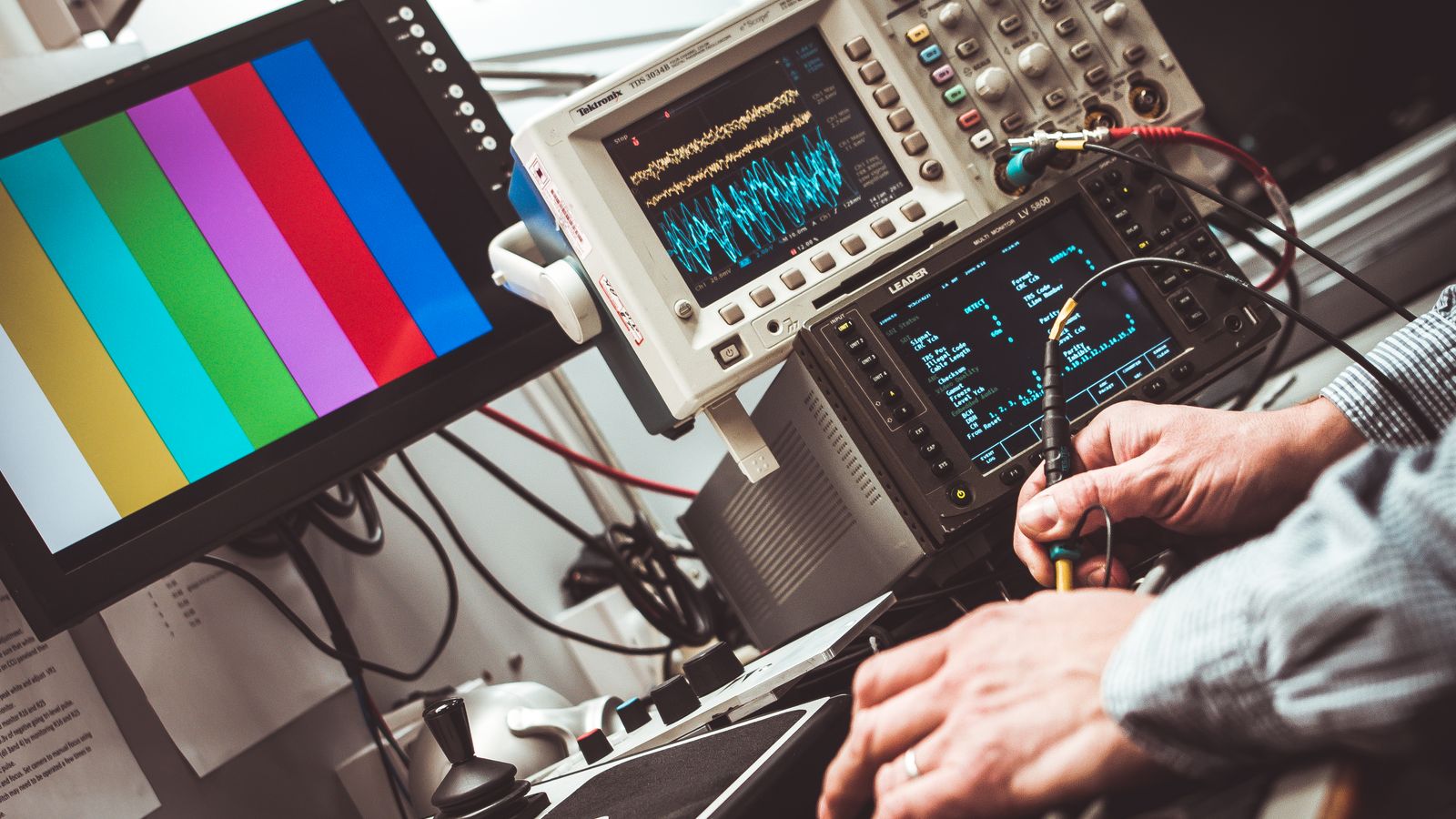
A mistake we encounter fairly often is replacing a unit before anyone has read the fault record. The correct sequence begins with the logged codes in systems such as BITE and ACARS. These records show what the system observed before it failed, and they frequently point straight at the real source.
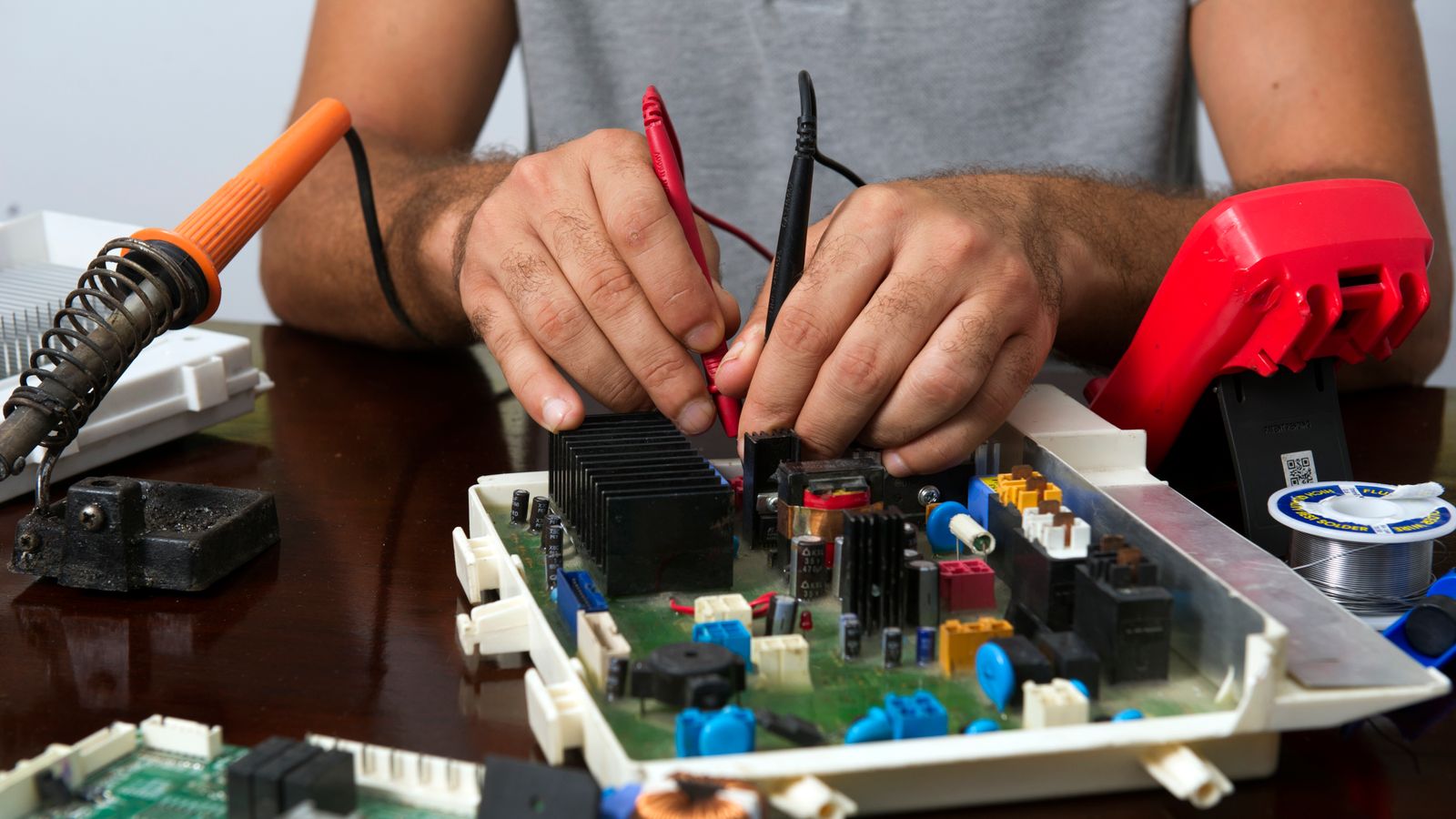
Next comes physical inspection of wiring, connectors and power supply. Wiring and connectors cause more faults than people expect, and finding them is usually quicker and cheaper than swapping an expensive box. Not every fault reproduces on the ground. When one does not, the technician should carefully cross-check the operator’s troubleshooting documentation before escalating the case.
Software and hardware must match
Configuration is easy to overlook. The software version and the hardware configuration have to be compatible with each other. A software update installed without verifying the configuration can create conflicts that are very hard to trace. These often surface only under specific operating conditions, which makes them expensive to reproduce on the bench.
Every change should be backed by a technical record and re-verified through the approved procedure. Do not carry out an update outside that process, even when the change looks minor on paper.
Environment quietly wears equipment down
In Vietnam, hot and humid air, salt-laden dust near the coast and large daily temperature swings all accelerate the failure of connectors and circuit boards. Airports close to the sea show this clearly. Our team has repeatedly found corrosion on connector pins that looked acceptable from the outside, and the first sign of trouble was an intermittent fault that took weeks to chase down.
For equipment bays exposed to coastal conditions, we recommend scheduled inspection of sealing and grounding points rather than waiting for the first intermittent fault to tell you something is wrong.
Where to go from here
Avionics rewards patience. The seven points above are a starting framework rather than a complete curriculum, but they cover the questions we hear most often from new engineers. If you want to go deeper, read the manufacturer documentation alongside the relevant standards, and check every claim against the current revision.
For broader context on how these systems are designed and built, the DCMA Aeronautique knowledge hub publishes technical analysis across aerospace and precision manufacturing. If you are planning a project, our engineering services page explains how our team supports avionics and structural work from design through maintenance. For a concrete look at how redundancy and certification play out in a real architecture, see our notes on fly-by-wire systems in commercial aircraft.