
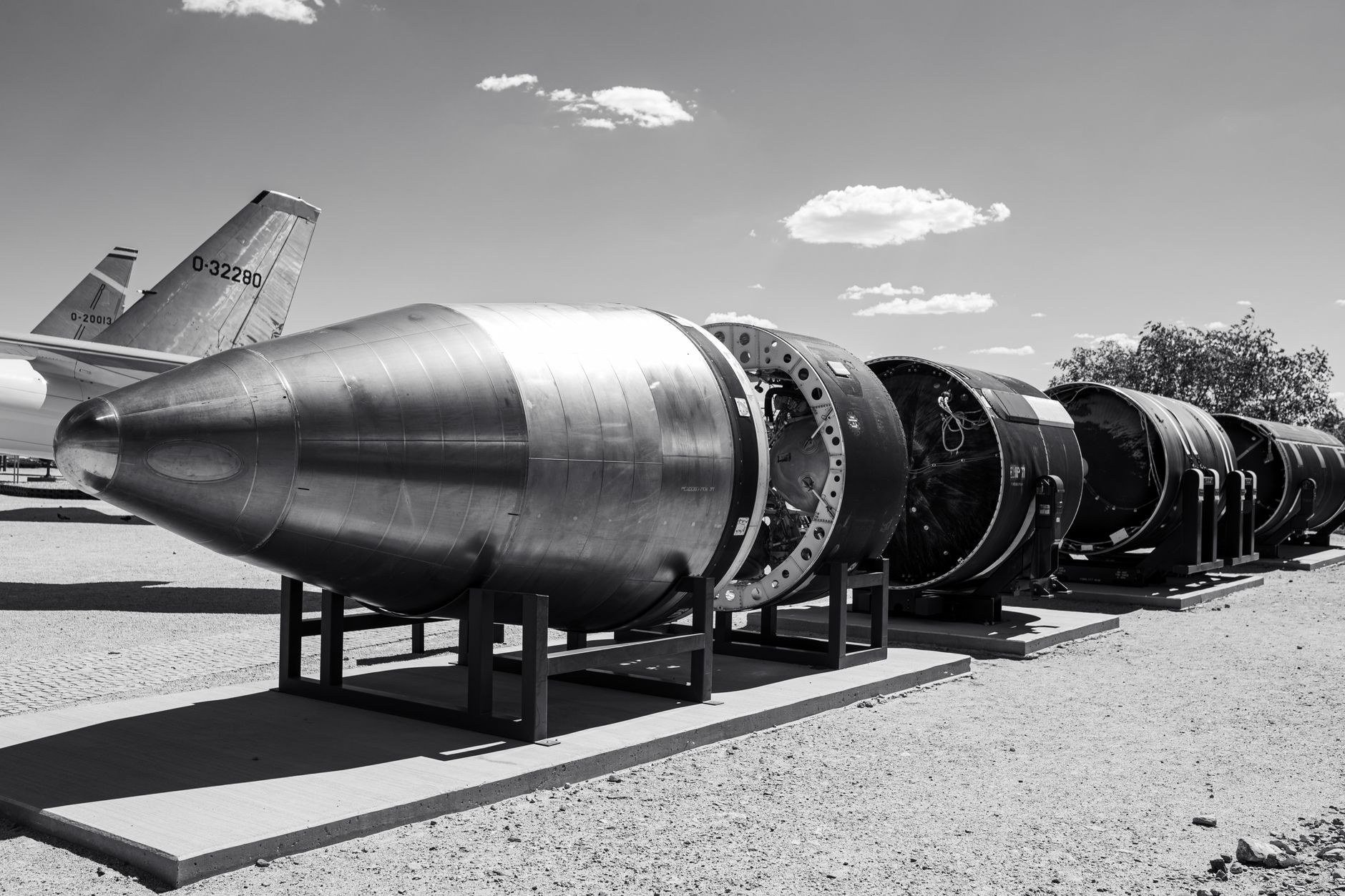
Picture an aircraft sitting on the ramp with a fastener that failed inspection, and nobody can say which heat lot it came from. The whole fleet gets grounded while the team digs through boxes of paperwork. Our engineers have watched this scenario unfold more than once, and every time it proves costly. Traceability is what keeps one doubtful part from turning into a fleet-wide problem.
When we look at how aerospace supply chains handle part traceability, the principle is simple to state and harder to execute. Every installed part must link back to its raw material heat lot, its process records, and its inspection evidence. When that chain exists in both paperwork and database, a problem can be isolated within hours. When it does not, aircraft stay on the ground while people hope the part was fine.
A missing certificate can ground an aircraft even when the part itself is machined to perfection. That feels unfair, and sometimes it is. Regulators and operators, however, are not judging the metal alone. They are judging whether anyone can prove the metal matches what the drawing demands. In our experience, that proof decides whether a part flies or sits in quarantine.
The traceability chain from raw material to installed part
Think of traceability as a rope woven from many strands. Each strand is a record, and breaking one weakens the whole rope. The chain begins long before a machinist touches the part, at the moment raw material arrives at the receiving dock. If the receiving inspector skips a lot check, that gap follows the material through every later stage.
For metals, the first link is the mill certificate. It lists chemistry, mechanical properties, and a heat or lot number that ties the material to a single melt. For composites, the equivalent is the prepreg batch record, which tracks resin lot, fibre lot, and out-life. The heat number tells you exactly which pour a bar came from, and everything downstream depends on that answer.
Every handoff between suppliers must carry that identity forward. A forging house passes billet to a machine shop, the shop passes blanks to a heat treater, and each party records the incoming lot alongside its own batch reference. When one stage drops the lot number, a gap opens. Gaps tend to hide trouble, and they usually surface at the worst possible moment.
The chain closes at final inspection. First Article Inspection records, dimensional reports, and release documents tie the finished part back to everything upstream. Only then does the paperwork confirm the part is ready to fly.
Serialisation and unique identifiers for critical components
Lot control tells you which batch a part belongs to. Serialisation tells you which exact part it is. For high-value rotables such as actuators, pumps, and landing gear components, that distinction separates recalling a batch from recalling a single unit. The difference can mean a great deal of money and a great deal of trust with the operator.
Serial numbers are usually laser marked where the engineering drawing specifies, so the mark survives repair cycles and surface treatments. Lower-value hardware often carries a batch code instead, since a unique serial would be excessive for a bracket that costs a few dollars. The aim is that every critical item carries an identity readable in a hangar at two in the morning, without a search party.
Behind the marking sits a database. In the ERP and MES, part numbers, serial numbers, and certificate numbers cross-reference one another, so a single query shows where a unit went and what paperwork travelled with it. We have seen shops with excellent marking but weak linking, and in those cases the marks were close to useless. A mark nobody can look up is just decoration.
Release documents: EASA Form 1 and FAA 8130-3
Release documents are the formal statement that a part conforms and is fit for installation. In Europe that is the EASA Form 1, and in the United States it is the FAA 8130-3. They look administrative, but each carries a signature that legally vouches for the part.
The Form 1 certifies that the part conforms to approved design data and is in condition for safe operation. The signer, usually from an approved organisation, takes responsibility for that statement. The 8130-3 serves the same purpose under the FAA system, with its own fields and authority structure.
Rejections usually come from small errors: a part number that does not match the tag, a missing batch number, an unclear condition field, or a signature from someone without the right authority. Each looks minor until an auditor asks you to prove the part is what the form claims. Before accepting any release certificate, confirm the issuing organisation’s approval, check that the part and serial numbers match the item in hand, and verify the signatory’s authority. We have turned away parts with flawless-looking forms because one detail failed to reconcile with the rest of the file.
Digital thread: linking design, manufacturing and in-service records

A digital thread connects a part’s design, making, and flying life in one continuous data trail. The concept sounds abstract, but its purpose is practical. When someone asks what changed, the answer should already be linked and waiting on the screen.
It ties CAD revisions to the process parameters used to make the part and to the inspection data that proved it. If a drawing moves from revision C to revision D, the thread shows which parts were built to which revision and which tests they passed. Without that link, engineers spend days reconstructing what should be visible at a glance. Drawing control itself is a discipline worth studying, and our notes on GD&T Basics for Aerospace Drawings: A Machinist’s Guide explain why tolerance callouts must stay tied to the revision they belong to.
The thread carries on into service. Shop-floor data connects to the aircraft’s maintenance history, so a part’s record follows it through every removal and repair. That continuity turns a decades-long traceability record from a filing cabinet into something usable.
Why traceability decides recalls and airworthiness directives
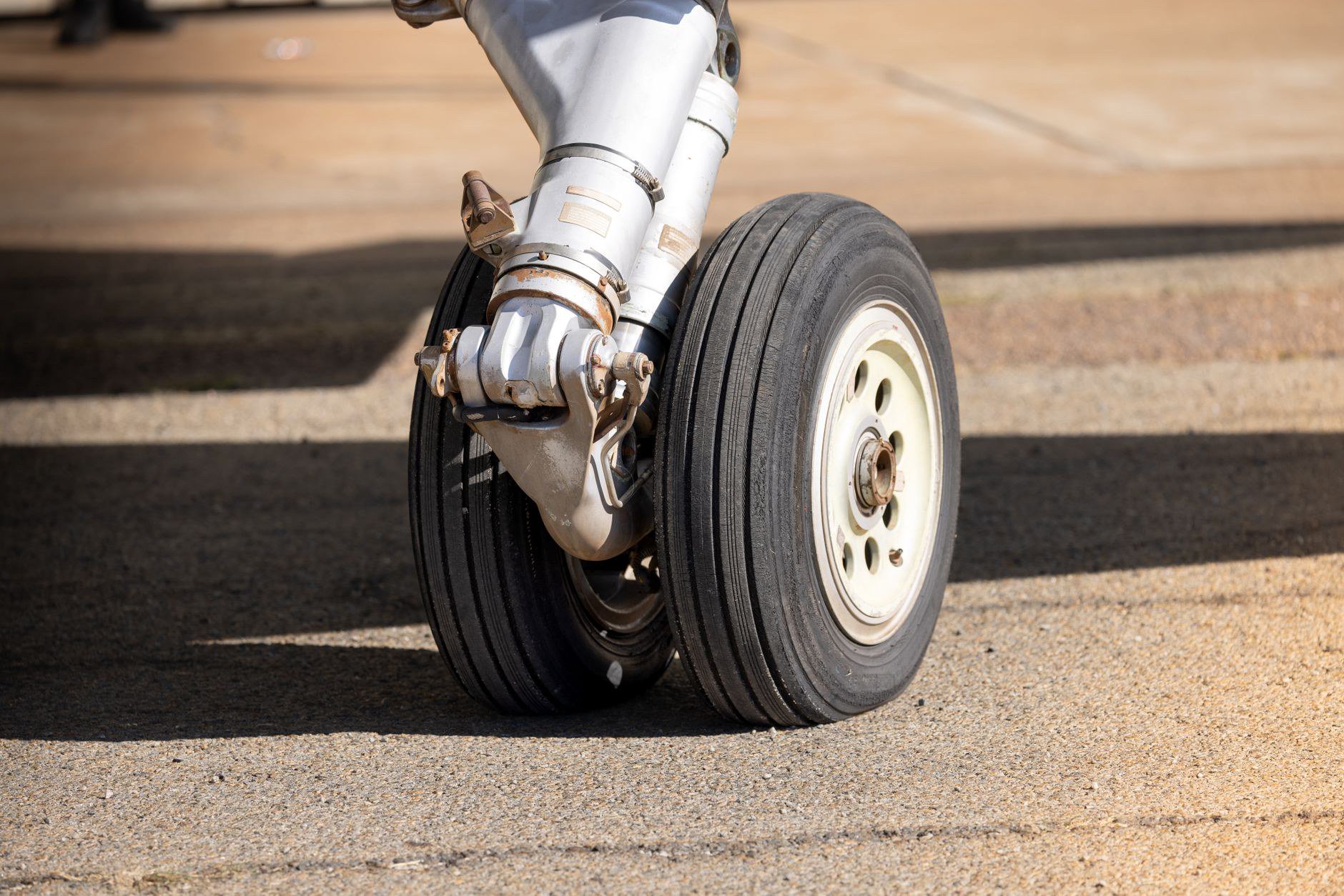
When a regulator issues an airworthiness directive, the operator’s first question is always the same: which aircraft are affected? A traceable lot lets the operator answer with a targeted list instead of a fleet-wide grounding.
Take a suspect fastener lot. With good traceability, a team can identify every aircraft that received parts from that heat and batch within hours. Without it, the same team may spend days searching logbooks by hand. In the meantime, the cautious choice is to ground more aircraft than the problem requires, and that is exactly where the cost climbs.
Targeted inspections touch a handful of aircraft and keep the rest flying. Blanket inspections pull the whole fleet out of service for an expensive stretch. Traceability is what makes the targeted option possible at all.
Counterfeit parts and undocumented supply

Broken chains open a door for counterfeit and non-conforming parts. When a distributor cannot show where its stock came from, a substandard item can slip into the supply unnoticed until it fails in service. That is a risk no buyer can afford to accept on trust.
Documentation gives early warning. Watch for lot numbers that do not match the certificate, certificates that look altered, and missing traveller records that should follow the part through each stage. One of these alone may be an honest mistake, but a pattern should stop a purchase cold. Buyers protect themselves by buying from approved supplier lists, inspecting at source where practical, and verifying certificates directly with the issuing organisation rather than trusting a photocopy. These steps take time, and they are always worth the hours they cost.
Keeping the trail intact across long maintenance cycles
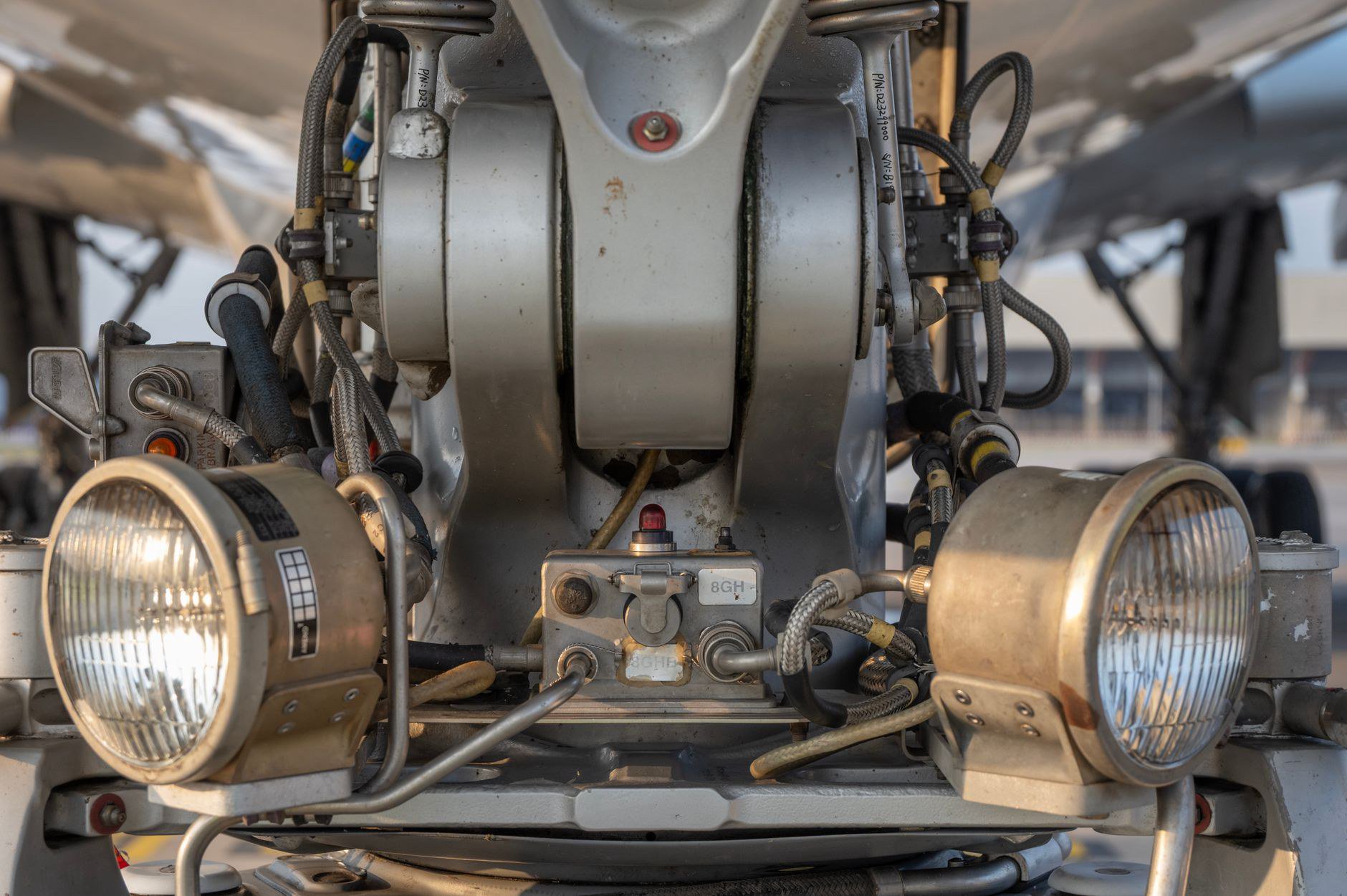
A component may be removed, repaired, and reinstalled many times over its service life, and each time the record has to follow the part. If it does not, the chain breaks exactly where it matters most, usually in the middle of a long overhaul cycle nobody is watching closely.
Overhaul and repair station documentation keeps that chain unbroken. Every shop visit should add to the part’s history rather than start a new one, and repair records should reference the original serial and certificate numbers so lineage stays visible. Continuity across overhauls only holds when each cycle writes back into the same thread.
Working figures for a traceability programme

When setting up traceability in a machining or assembly shop, planning gets easier once the stages sit side by side. The estimates below are working figures from our own shop experience, not published standards, so treat them as a starting point for your audit plan.
- Raw material receipt: mill certificate and heat or lot number, roughly 15 to 30 minutes per critical part.
- Machining and processing: traveller, process parameters, and lot link, roughly 30 to 60 minutes.
- Inspection and FAI: dimensional reports and FAI forms, usually 2 to 4 hours.
- Release: EASA Form 1 or FAA 8130-3 with verification, roughly 30 to 60 minutes.
Supplier audits tend to uncover the same gaps again and again. Lot numbers get dropped during internal transfers, travellers are completed after the fact, and certificates sit on local drives instead of being linked to the part. None is fatal alone, but each is a broken link waiting to surface during a customer audit.
Serialisation and an ERP-based traceability system are a genuine investment. A basic lot-control setup can often begin in the low thousands of dollars, while full serialisation with integrated MES and ERP costs considerably more, depending on volume and the number of systems involved. Scope the system to the parts that truly need it first, then expand as the shop grows comfortable with the process.
Frequently asked questions

What is the difference between traceability and certification?
Certification confirms that a part meets its approved design and is fit to fly. Traceability shows where the part came from and what happened to it along the way. Both are needed, and neither replaces the other. A certified part with weak traceability still becomes impossible to isolate if something goes wrong later in its life.
Do all aerospace parts need serial numbers?
No. Serial numbers are typically required for critical and high-value components, while lot-level control is often enough for consumables and bulk hardware. Always check the approved design data and applicable regulations for each specific part, since requirements can differ between programmes and operators.
What happens to a part with a broken or missing trail?
It generally cannot be installed until its history is reconstructed or the part is rejected. Reconstruction is slow and sometimes impossible, so most shops quarantine the part and replace it rather than gamble on incomplete paperwork.
Our advice is straightforward. Start by mapping your own chain from the mill certificate through to the release document, and find the first place a lot number gets lost. Fix that point before buying new software. A clean paper trail costs far less to build now than to reconstruct under pressure, and it is the one thing that keeps an aircraft flying when the questions start coming in. The same discipline of keeping records clean and auditable applies well beyond the hangar, and teams managing transactional records can take a look at monapay.vn for a practical example of that approach.