
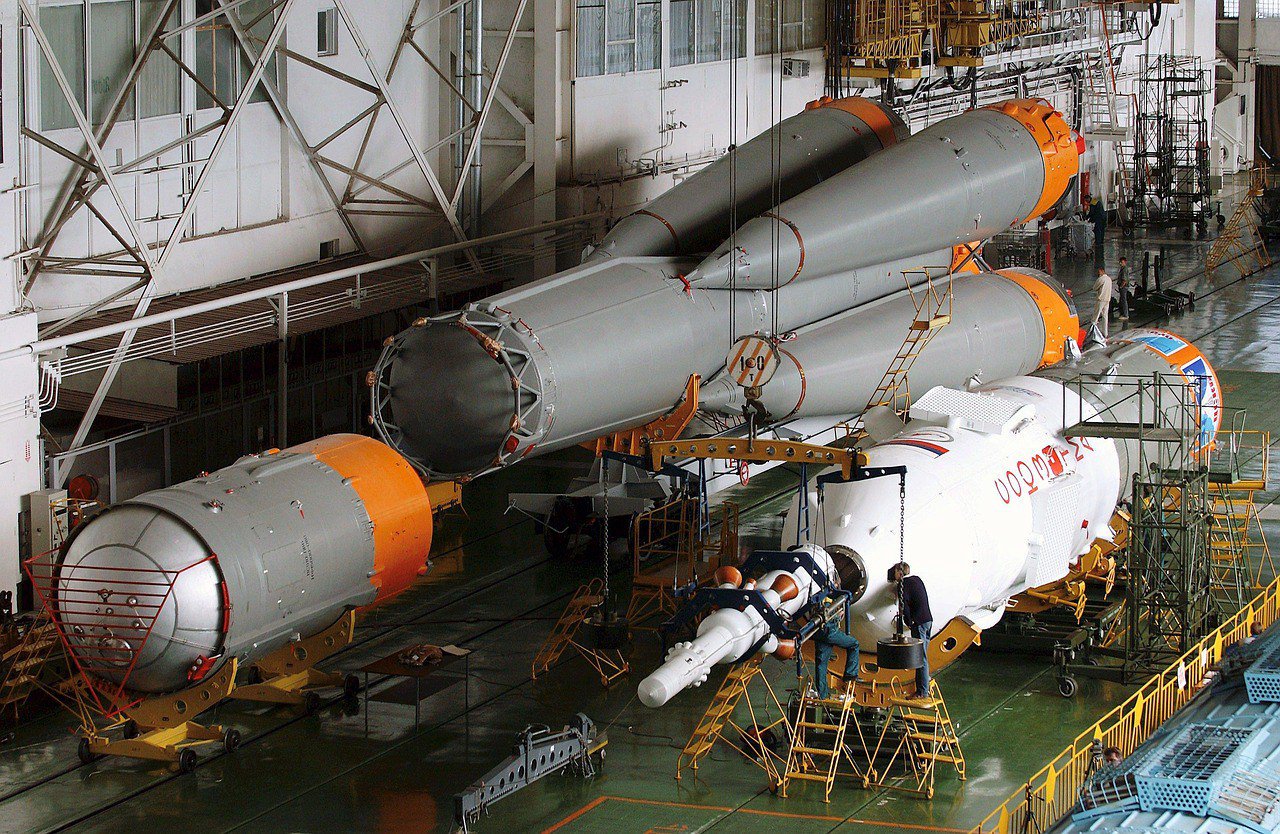
When our engineering team reviews a new small satellite programme, the first serious decision is rarely the spacecraft design itself. It is how the satellite reaches orbit. For most young space companies, the launch question sets the budget, the schedule and how much risk the team carries for the rest of the programme. Among the small satellite launch options for startups, the choice usually narrows to two routes, and each one reshapes the project in a different way.
The two routes startups actually compare
In practice, nearly every early-stage space company weighs the same pair of paths. The first is rideshare: your cubesat flies as a secondary passenger on a rocket whose main customer is someone else’s larger satellite. The second is a dedicated small launcher, where the whole vehicle is purchased for your mission alone.
Rideshare is almost always cheaper per kilogram. That saving comes with a condition. The primary customer chooses the orbit, so your spacecraft flies where that customer needs it to go. A dedicated launch hands control of orbit, date and deployment back to you, but the invoice is considerably larger. For a team living on a seed round, that gap often becomes the whole decision. We have sat in meetings where the choice took under ten minutes, simply because the cash position left no room for anything else.
How the two routes differ in practice
Rideshare behaves a little like booking a seat on a shared shuttle. You reach the destination, but someone else sets the route and the stops. Your satellite is a secondary payload, so deployment happens when the rocket and the primary mission are ready, not when your operations team would like it to happen.
We have seen teams plan a commissioning window around one specific week, only to watch the release slip by a month because the main payload needed extra checks. The operations calendar had to be rebuilt around that slip, and the ground team spent weeks waiting with little to do. That kind of disruption rarely appears in a price comparison, yet it can cost more than the saving on the launch fee.
A dedicated launch is closer to chartering a private car. You pick the orbit, the date and the release sequence, and no one else’s timetable forces a change to yours. That freedom matters enormously when the mission depends on a particular orbit. An Earth-imaging constellation, for example, may need a sun-synchronous plane so that every pass captures the ground at a consistent local time. If that consistency slips, the commercial value of the data can erode quietly, and customers often say nothing until the contract renewal arrives.
The trade-offs reduce to three factors: cost, schedule flexibility and exposure to delay. Rideshare lowers the price but binds you to another customer’s plan. A dedicated launch costs far more but lets you manage timing. Both carry launch risk, because on a shared rocket a setback for the primary payload can push your satellite back as well. Work out which of these you can absorb before you commit to anything.
Lead times and booking windows
Lead time is how far ahead you must reserve a slot. For rideshare, providers commonly sell seats 12 to 24 months in advance. That sounds generous until you realise the primary customer’s manifest is usually fixed long before your satellite is finished. The good slots disappear early, and teams that wait for their hardware to be ready often find only awkward options left.
Dedicated small launches can sometimes be booked much closer to the target date, occasionally within a few months. Speed is not the same as ease, though. Your satellite must be ready for integration, the export and licence paperwork must be complete, and the ground team has to be in position. A fast booking still demands a disciplined plan behind it.
Launch dates slip more often than founders expect. A weather hold, a technical issue on the rocket or a late payload can move everything by weeks or months. Build schedule buffer into the roadmap from day one. If your funding milestones depend on the launch date, prepare a second plan in case it moves, and make sure investors understand that plan before the slip happens rather than after.
Preparing the spacecraft for integration
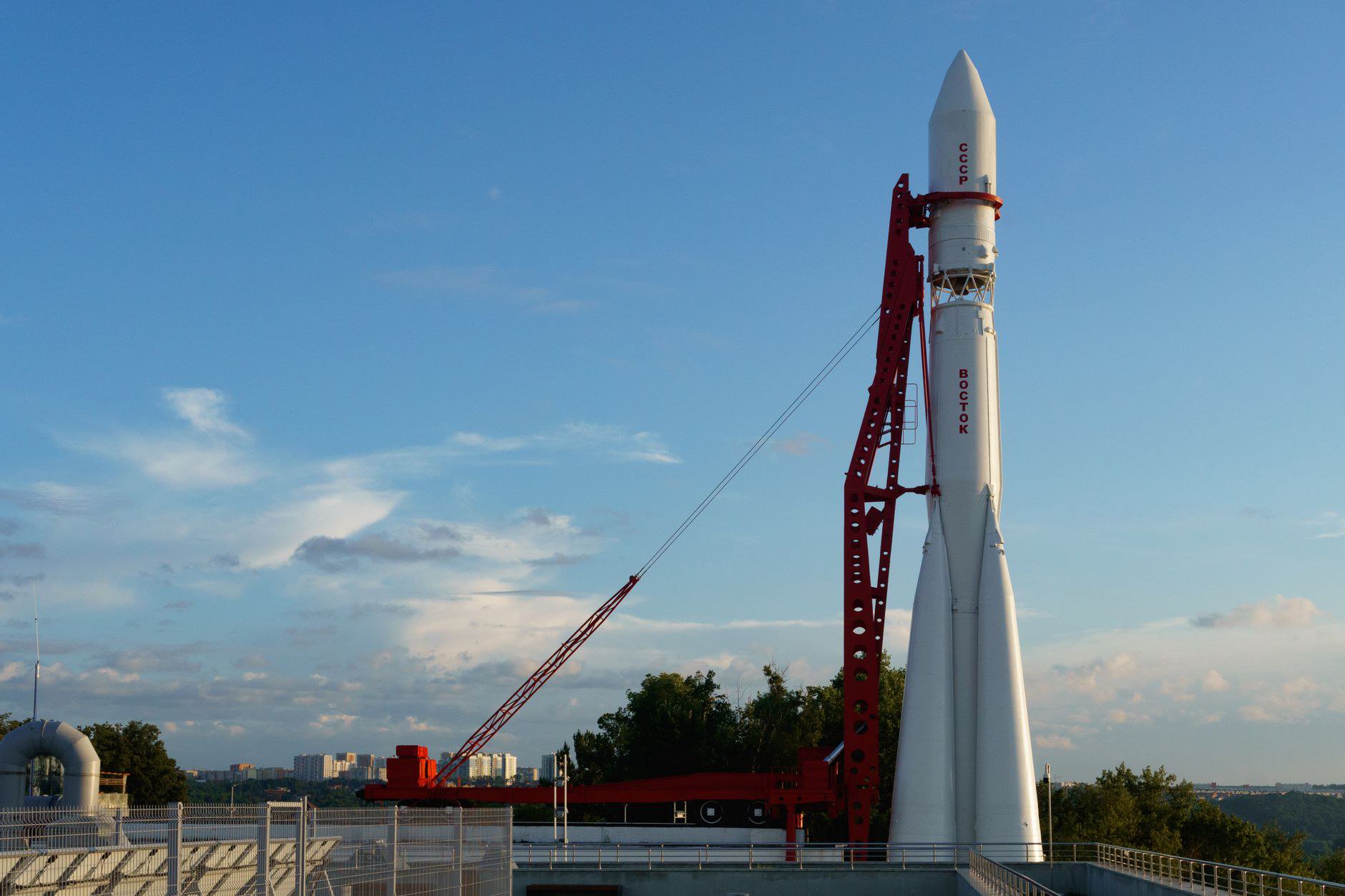
Integration is the work of fitting your satellite onto the launch vehicle safely. The provider sets the rules. These include the mechanical interface that defines how the satellite physically attaches, the maximum mass and envelope, and the vibration and shock levels the spacecraft must survive during ascent. Read these requirements early, because a design that ignores them will need rework at the worst possible moment.
Electrical and battery requirements are strict. Lithium batteries, for instance, usually need controlled handling and documented safety testing. Expect a full qualification campaign covering vibration, thermal cycling and functional checks before the vehicle is accepted for flight. These tests consume calendar time and budget, so they belong in the plan from the beginning.
Providers also want documentation early: specifications, safety data, test reports and operating plans. Teams that leave this until the last moment often discover that a single missing certificate holds up the entire launch.
Licensing: what regulators will expect
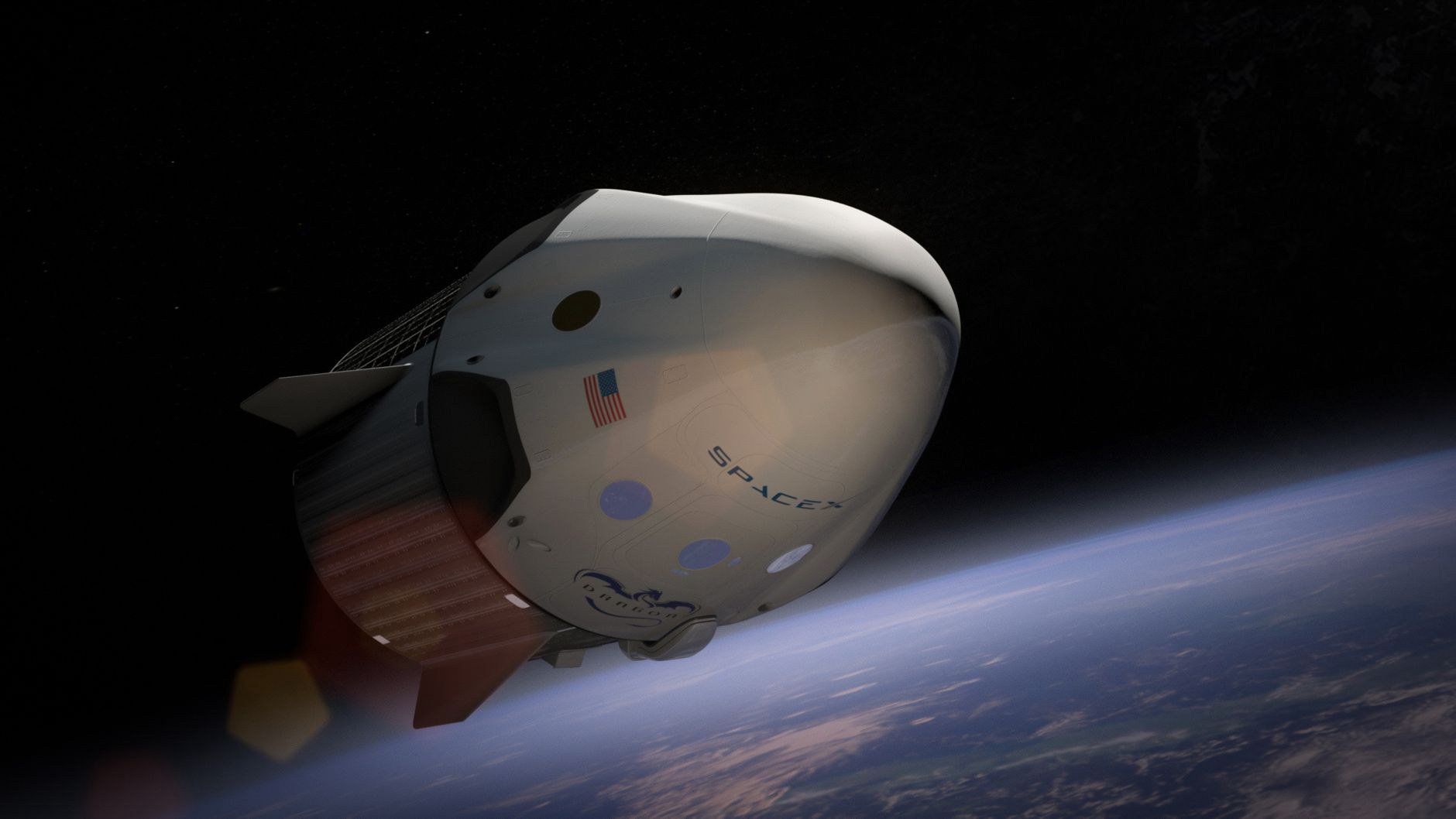
Licensing sounds like a legal matter, but for a startup it is mainly a scheduling matter. Regulators must approve the mission before it flies, and those approvals can take months. Treat that waiting time as seriously as a manufacturing step, and put it on the critical path.
Who needs a launch and operating authorisation depends on your country and where the satellite will operate. In many cases the operator needs approval from a national space agency or telecom regulator. If you contract a foreign launch provider, approvals may be required from both jurisdictions, which doubles the paperwork and the waiting time.
- Spectrum licensing governs the radio links between the satellite and the ground station. Without the right frequency approval, you cannot transmit legally.
- Ground station access must be secured early, with a site and equipment able to communicate with the spacecraft for its entire operational life.
- Export controls can restrict certain electronics, sensors and software, so screen the bill of materials before a single restricted part stalls the contract.
Comparing quotes on a like-for-like basis

Quotes are notoriously hard to compare because providers bundle different services. Price per kilogram is only the starting point. Ask exactly what each quote includes. Adapter hardware, integration labour, insurance and licensing support may be included, or they may be billed on top. We have reviewed proposals where the gap between two quotes disappeared entirely once the fine print was read side by side.
Watch the change and delay clauses closely, because that is where hidden costs tend to sit. Delays can trigger storage fees, extra testing may be charged by the hour, and a late change of orbit can carry a penalty. Have legal and finance read those clauses alongside the technical team rather than leaving them to the founders alone.
Case example: weighing rideshare against a dedicated flight
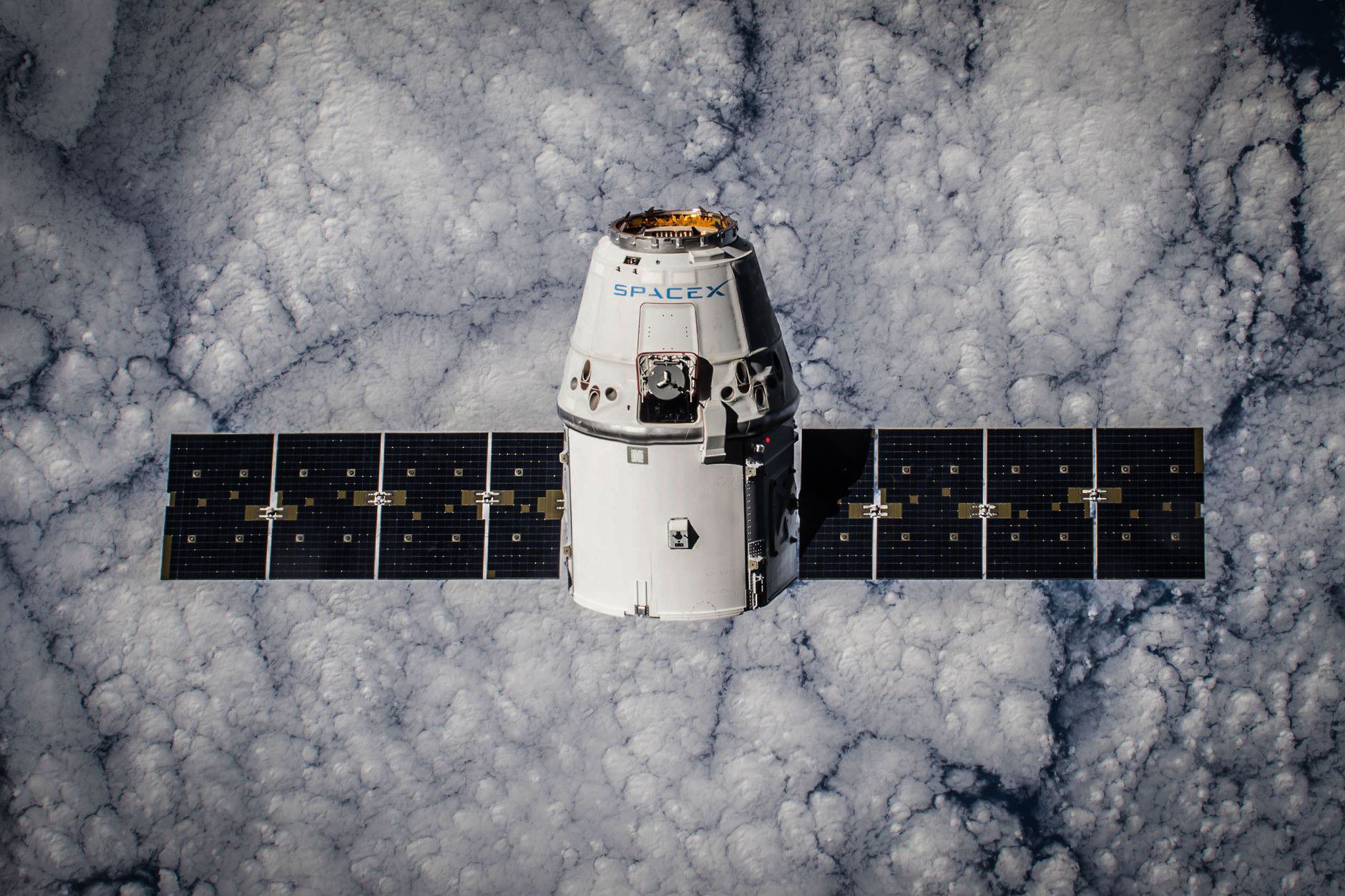
Consider a team we worked alongside that was building a 50 kg Earth-observation cubesat under a fixed funding deadline. Investors wanted the satellite operating within a defined window, and the mission required a sun-synchronous orbit so that images were captured at a consistent time of day.
The team began with rideshare. The price per kilogram looked attractive, but the available flights could not deliver the required orbit inside their window. Accepting a different orbit would have reduced image quality for the customers they were courting, which undercut the business case. They then priced a dedicated launch. It cost substantially more, yet it secured the orbit, the date and control over deployment. They weighed that higher cost against the risk of missing the funding milestone and losing the mission altogether. They chose the dedicated route, but only after negotiating a schedule buffer into the contract.
The lessons were mostly about contract terms. The team insisted on clear delay clauses, a defined process for changing orbit and written integration support. They also held a funded contingency, because even a dedicated launch can slip. Their final decision came down to protecting the mission’s commercial value, not the lowest headline price.
Practical planning tips for early-stage teams

Fix the target orbit and mass budget before signing anything. Changing either later is expensive, and many providers will not accept a large change without a penalty attached. Keep a funded contingency for slips and re-testing, because founders often budget for the launch fee and forget the cost of delay. A few extra months of storage, testing and staff time can erase a thin margin entirely.
Run licensing and integration paperwork alongside hardware development rather than after it. Waiting until the spacecraft is finished before starting the documents is one of the most common causes of launch delay.
The industrial supply chain behind small satellites
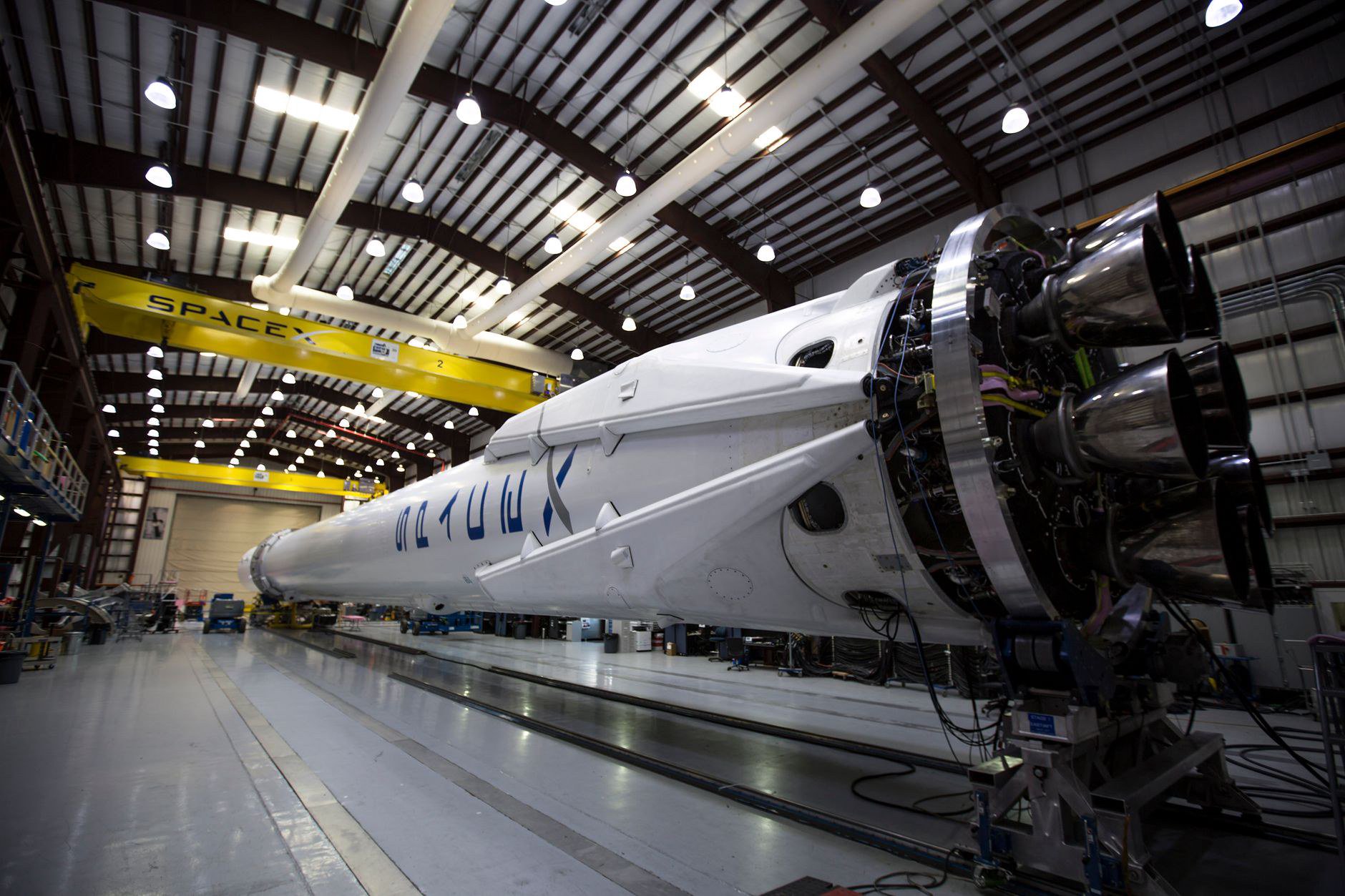
A small satellite is only as dependable as the parts inside it. Precision machining produces the structural frames and brackets that must hold their geometry under launch loads. Composite panels keep mass low while preserving stiffness. Avionics components such as flight computers and power boards must tolerate vibration and temperature swings without drifting out of specification.
Tolerance and inspection standards carry over directly from aerospace manufacturing. A bracket sitting slightly outside tolerance can shift a mounting point enough to cause trouble at integration. Suppliers that already run first-article inspection and keep traceable material records make integration far smoother. For the machining discipline behind reliable hardware, see Reducing Tool Wear When Machining Inconel: Shop-Floor Tips. For the inspection paperwork providers will ask to see, our guide AS9102 First Article Inspection Guide: Forms 1-3 Explained walks through it step by step.
Ground infrastructure matters too. Launch sites and processing facilities have their own capacity constraints and procedures, and understanding them helps you plan realistic timelines. For the business side of supplier and payment arrangements across projects like these, the team at monapay.vn is a useful reference.
Frequently asked questions
How much does a rideshare launch cost per kilogram?
Rideshare pricing varies considerably by provider, mass band and year, so treat any single figure with caution. Request a quote for your exact mass and check what it includes. Avoid comparing a headline per-kilogram rate against a dedicated launch price without adjusting for the services each covers.
How far ahead should a startup book its slot?
For rideshare, plan on booking 12 to 24 months ahead. A dedicated small launch may be reserved more quickly, but you will still need several months to prepare. The earlier you book, the wider your choice of orbit and date.
Do we need a launch licence if we only build the satellite?
Building the spacecraft alone usually does not require a launch licence, but operating it does. In most countries the operator needs an authorisation and a spectrum licence before transmitting. Check with your national regulator early, because the rules differ from country to country.
Can a startup change orbit after booking a rideshare?
On a rideshare, the orbit is normally set by the primary customer, so a change is rarely possible. If you need a different orbit, you may have to move to a dedicated launch or look for another rideshare opportunity. Review the contract’s orbit change terms before you sign.
What happens if the launch date is delayed?
Delays can bring storage fees, extra testing costs and staff time you did not budget for. Read the delay clause to see who bears the cost and whether you can reschedule without penalty. A funded contingency ensures a slip does not halt the whole mission.