
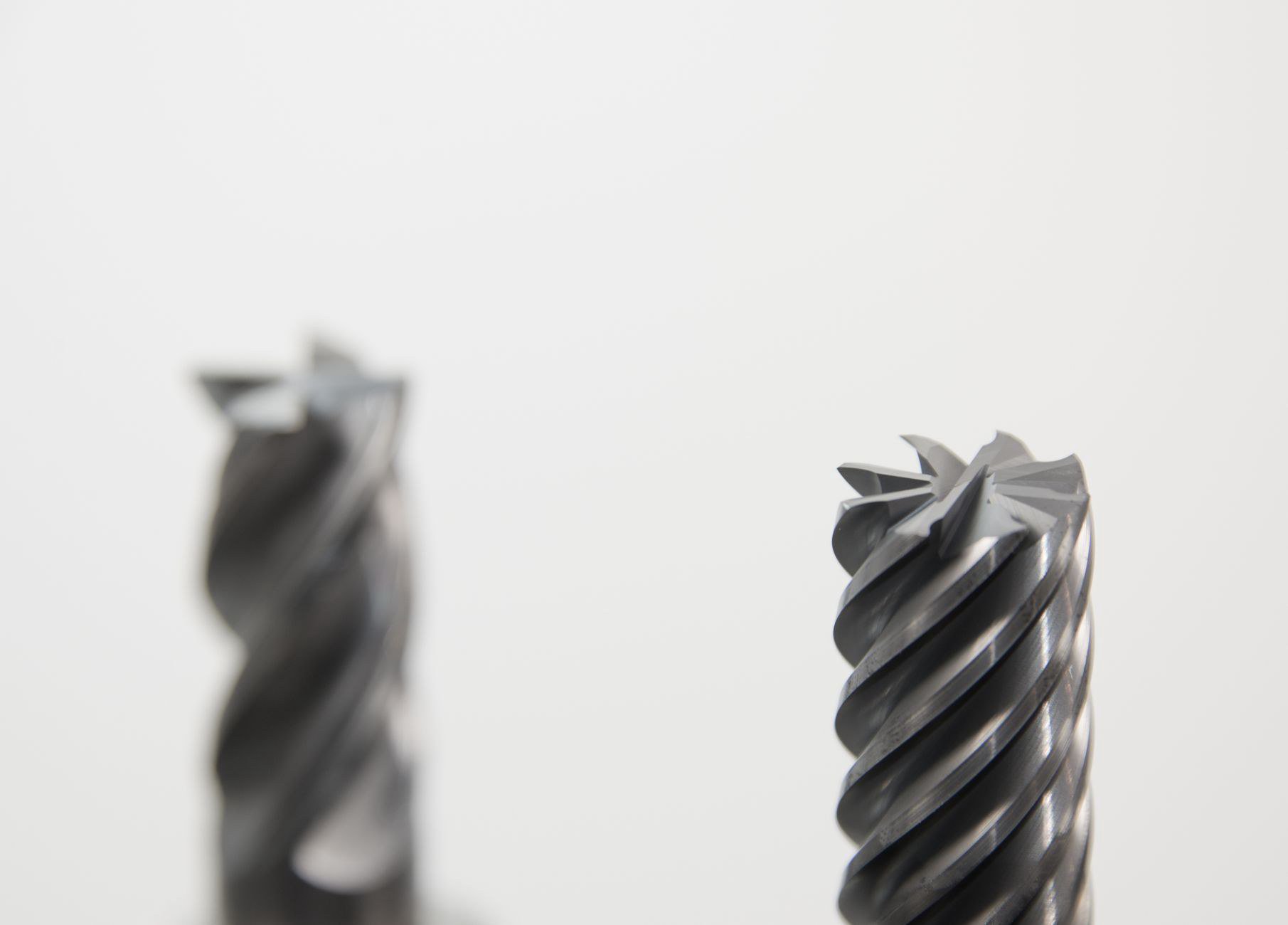
Learning how to reduce tool wear when machining Inconel usually starts with a familiar moment on the shop floor: pulling an insert from the job and finding its edge badly chipped. Tool wear on nickel-based superalloys arrives far sooner than most process plans assume. It typically appears first as degraded surface finish and rising scrap rate. The fix comes down to four interdependent decisions: insert grade and coating, cutting speed, high-pressure coolant delivery, and toolpath strategy. When these are aligned, tool life improves measurably.
Why Inconel Causes Rapid Tool Wear on Cutting Edges
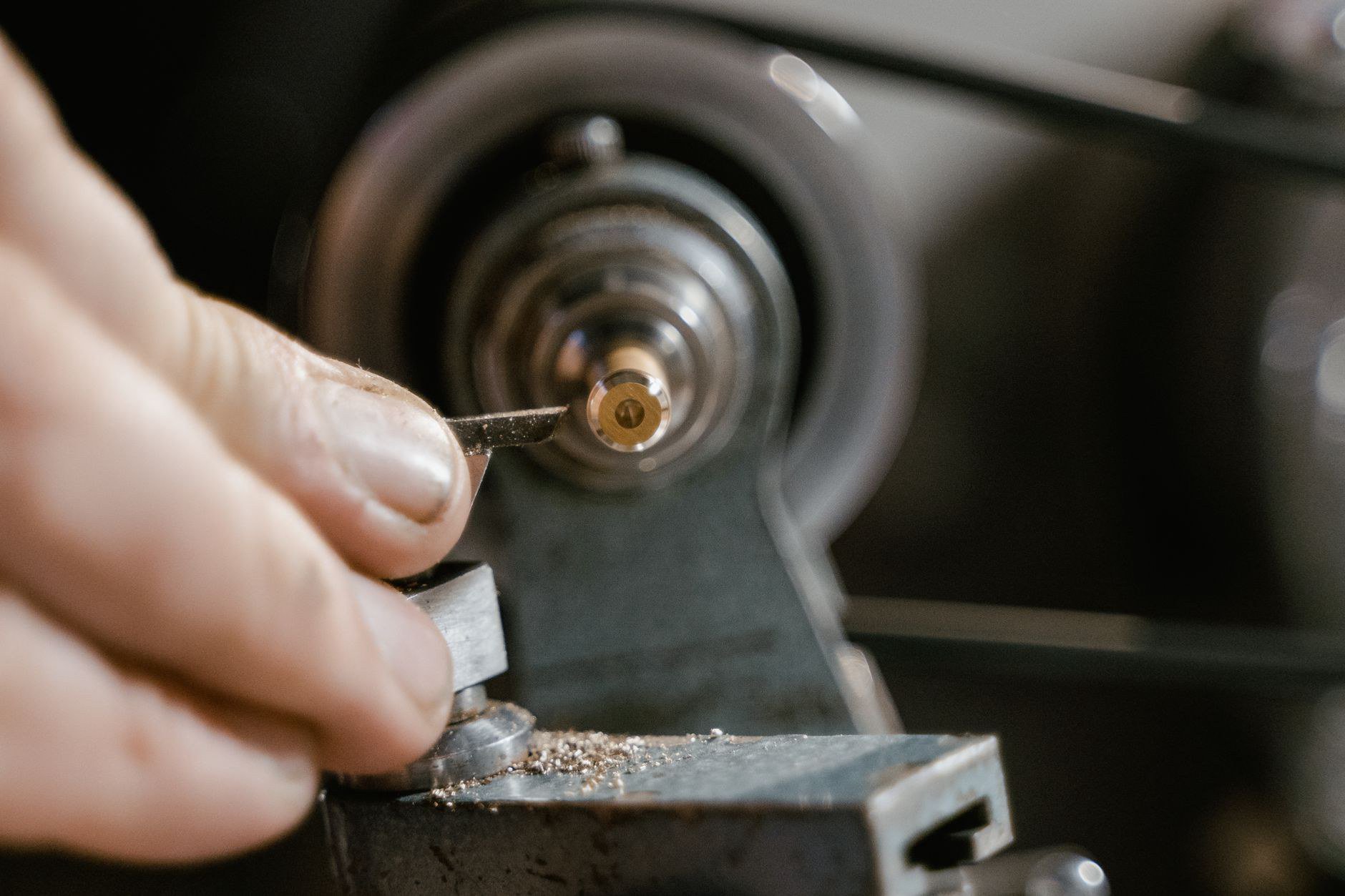
Inconel is a nickel-based superalloy engineered to retain strength at temperatures that soften most steels. That same property makes it difficult to machine. A large share of the heat generated in the shear zone remains at the cutting edge rather than leaving with the chip, so the insert absorbs a sustained thermal load throughout its engagement.
Work hardening compounds the problem. Each pass leaves a surface harder than the one before. If the insert rubs across this hardened layer instead of cutting cleanly beneath it, the following pass must contend with an even tougher skin. At elevated temperatures, nickel also reacts chemically with many tool materials, accelerating diffusion wear and crater formation on the rake face. Crater wear is often invisible to the naked eye, which is why failure usually begins well before the edge looks obviously damaged.
Selecting an Insert That Withstands Heat

A common assumption is that the hardest available grade will last longest. In Inconel, that assumption frequently fails. A slightly tougher carbide substrate often outlasts a harder one, because its edge can absorb the shock of interrupted cuts without chipping. Interrupted geometries such as keyways or cross-holes are where brittle grades typically fail first.
Coating is equally important. PVD coatings such as AlTiN and TiAlN retain hardness at temperatures where uncoated or CVD-only tools begin to soften. For high-speed finishing on heat-resistant alloys, ceramic and CBN inserts can perform well, but only on machines and fixtures rigid enough to support them. Insufficient rigidity, even minor flex in the tool holder, can cause premature chipping and prevent the insert from reaching its potential. Premium grades justify their cost only when the setup is stable.
Establishing a Speed That Protects the Edge
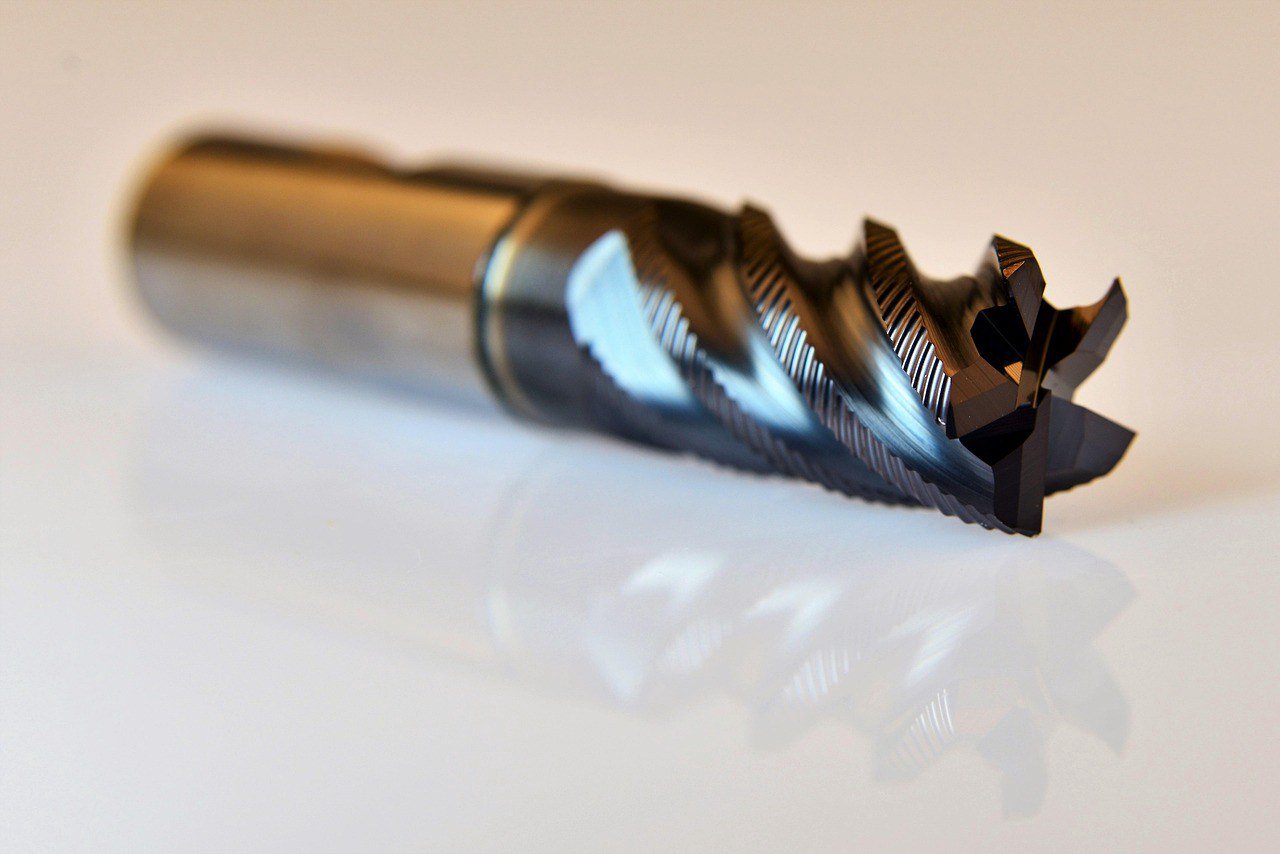
Begin at a conservative speed. Carbide turning of Inconel typically runs at a fraction of the speed used for mild steel. Excessive speed causes thermal wear to accelerate rapidly, while insufficient speed leads to rubbing and surface work hardening. The workable window is narrower than many operators anticipate.
Feed must balance against speed. It needs to be heavy enough to cut cleanly beneath the hardened layer. A light feed combined with rubbing action is a well-documented cause of premature insert failure on this material. The recommended approach is to increase speed in small increments while monitoring both edge condition and surface finish. Once a workable window is identified, record it against the specific insert grade so it can be reproduced consistently.
Delivering Coolant to the Cutting Zone
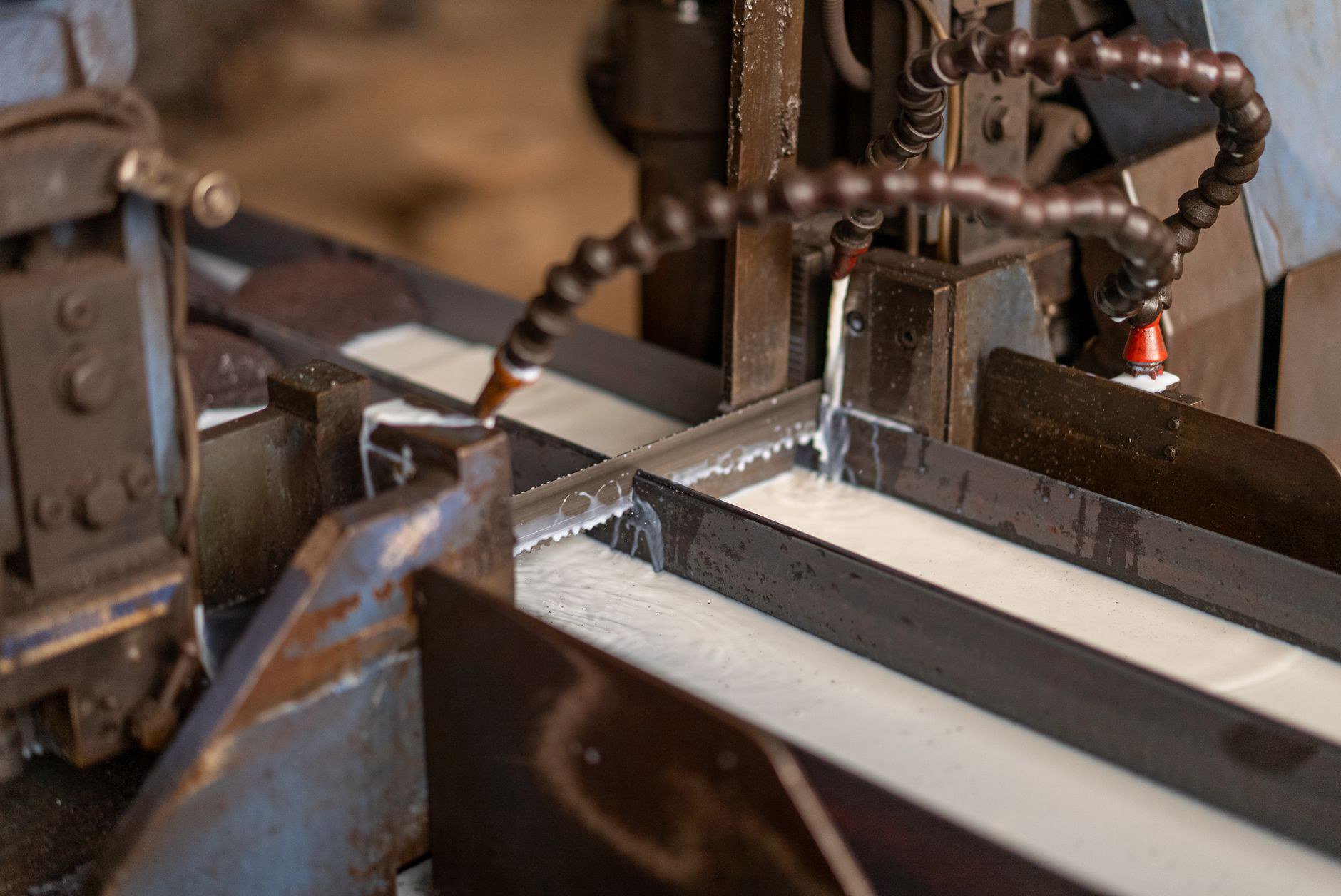
Coolant is effective only when it reaches the chip-tool interface, the narrow region where the chip leaves the rake face. Flooding the exterior of the part has limited effect on edge temperature. High-pressure delivery, whether through the spindle or precisely directed nozzles, drives fluid into this zone, cools the edge, and evacuates chips before they can recut.
Two factors are frequently overlooked. Coolant concentration and filtration significantly influence wear. Contaminated or weak coolant accelerates notch and thermal wear, and the insert may be misdiagnosed when the fluid is the underlying cause. Partially obstructed nozzles are another common source of early failure. Verifying flow and pressure at the start of each shift requires minimal effort and can prevent the loss of an entire batch.
Toolpaths That Limit Heat and Mechanical Shock

The path the tool follows through the material influences wear nearly as much as cutting speed. Trochoidal milling maintains low radial engagement and a short arc of contact, reducing both heat and mechanical shock on each revolution. The principle resembles a series of controlled, moderate cuts rather than a single heavy pass that jolts the cutter.
Constant-engagement paths work on the same principle. Abrupt spikes in cutting load are a primary cause of edge chipping, so smooth, consistent motion outperforms sudden direction changes. Climb milling is generally preferred because it reduces rubbing and minimises the hardened layer left behind, provided the machine has adequate rigidity. Entry and exit moves should use smooth arcs rather than hard plunges, since plunging into hardened material subjects the edge to severe impact.
Identifying When an Insert Should Be Replaced

Allowing tool wear to progress until an insert fails outright is costly. Monitor flank wear and replace the insert once it exceeds the limit your process has established, which is often only a few tenths of a millimetre. Notching at the depth-of-cut line is among the most typical failure modes in Inconel and usually appears before other forms of wear.
Additional warning signs include:
- Rising cutting force
- Chatter absent earlier in the job
- A sudden loss of surface finish that speed adjustments do not resolve
- Built-up edge
- Growing burrs
- Visible chipping
When any of these appear, replace the insert. Extending its life by a few minutes rarely justifies the risk of a damaged workpiece.
Metrics Worth Tracking on Your Own Jobs
Sophisticated software is not required to learn from your own machining data. Record insert life per edge in minutes of actual cutting time to establish a reliable baseline. Compare the cost per finished part of a premium coated insert against a lower-cost alternative, accounting for scrap and machine downtime alongside purchase price. The least expensive insert on the purchase order is often the most expensive in practice.
For each process change, log the following:
- Insert grade
- Cutting speed
- Feed rate
- Coolant pressure
- Resulting tool life
Over time this becomes a reference specific to your machines, material suppliers and typical part geometries. Internal data of this kind is generally more valuable than a generic speed-and-feed chart.
Common Mistakes That Increase Tool Wear When Machining Inconel
A frequent error is applying speeds designed for stainless steel or mild steel to Inconel. The material behaves differently, so cutting parameters must change accordingly. Allowing the insert to dwell in the cut is another common problem, as dwelling creates hardened rubbing zones that damage the edge rapidly. Weak coolant delivery and neglected coolant tanks cause deterioration that may go unnoticed for weeks.
Minor chips and notches are also frequently ignored until the edge fails and damages the workpiece. A small chip detected early is an inexpensive correction. A broken insert inside a nearly finished part is not, and it can mean scrapping material that required hours to produce.
Further Reading on Demanding Alloys and Tooling
For the material science behind difficult alloys, Titanium Alloys Aerospace Machining Properties and Guide examines how these metals respond to cutting. For fixture design where tight tolerances must be held on hard-to-machine parts, Custom Tooling for Aerospace Precision Manufacturing addresses rigidity considerations in greater depth. Readers can also browse the engineering machining archive, and the article on common CNC machining mistakes covers related errors. For teams evaluating workflow platforms that support shop-floor data logging, MONA Cloud is one option to consider.
Frequently Asked Questions
Does coolant pressure significantly affect Inconel machining?
Yes. Low-pressure flooding often fails to reach the chip-tool interface, where most heat is generated. Higher pressure directs coolant into that zone and flushes chips before they recut, which measurably extends edge life on this material.
Which coating performs best on Inconel?
PVD coatings such as AlTiN or TiAlN generally perform well because they retain hardness at high temperature. The optimal choice depends on the specific operation, so testing two or three options and comparing tool life per edge in minutes is advisable before committing.
How do I determine when to replace an insert?
Replace it when flank wear reaches the limit set for your process, when notching appears at the depth-of-cut line, or when cutting force, chatter or surface finish begins to degrade. Waiting for complete failure almost always costs more than the insert itself.
Can speeds used for stainless steel be applied to Inconel?
Generally not. Inconel produces more heat at the cutting edge and work hardens more rapidly, so speeds suitable for stainless steel often damage inserts on Inconel. Begin conservatively, increase speed gradually, and monitor the edge throughout.