
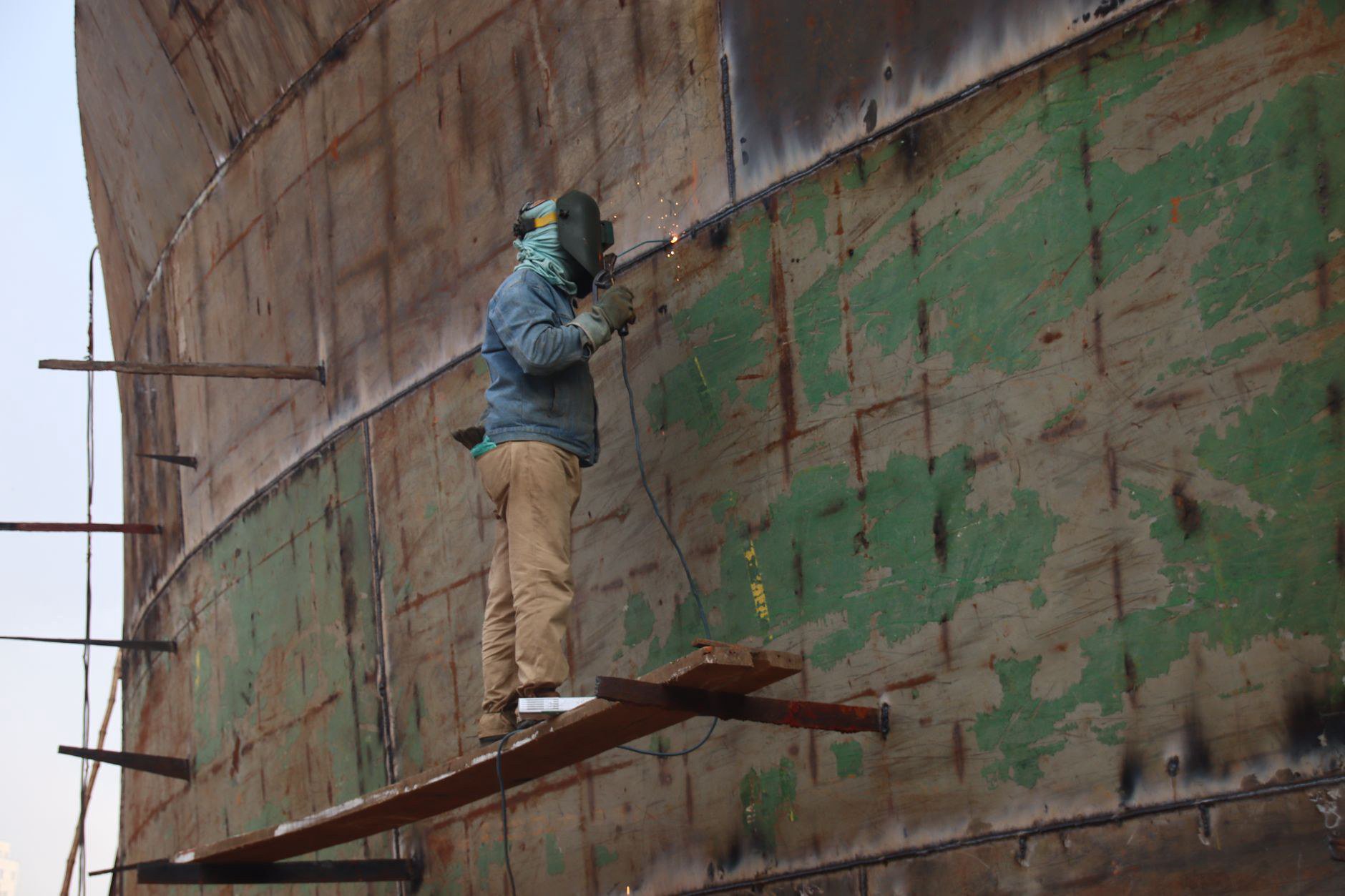
Maintaining strict heavy structural fabrication aerospace safety standards is vital to safeguarding personnel and guaranteeing the structural endurance of airframe subassemblies. Aerospace manufacturing plants process massive monolithic forgings, titanium wing boxes, and heavy engine pylon weldments. Manipulating and cutting these massive components introduces severe mechanical, ergonomic, and environmental hazards. This engineering report provides a detailed guide to risk mitigation, material handling, thermal processing, and workshop safety governance.
Aerospace manufacturing facilities combine heavy industrial machinery with extreme micro-inch precision requirements. High-capacity overhead gantry cranes, massive hydraulic forming presses, and heavy multi-axis gantries operate in close proximity. A comprehensive safety management system enforces strict operational envelopes, continuous safety monitoring, and thorough hazard assessments across every fabrication bay.
High-Capacity Rigging and Overhead Crane Protocols
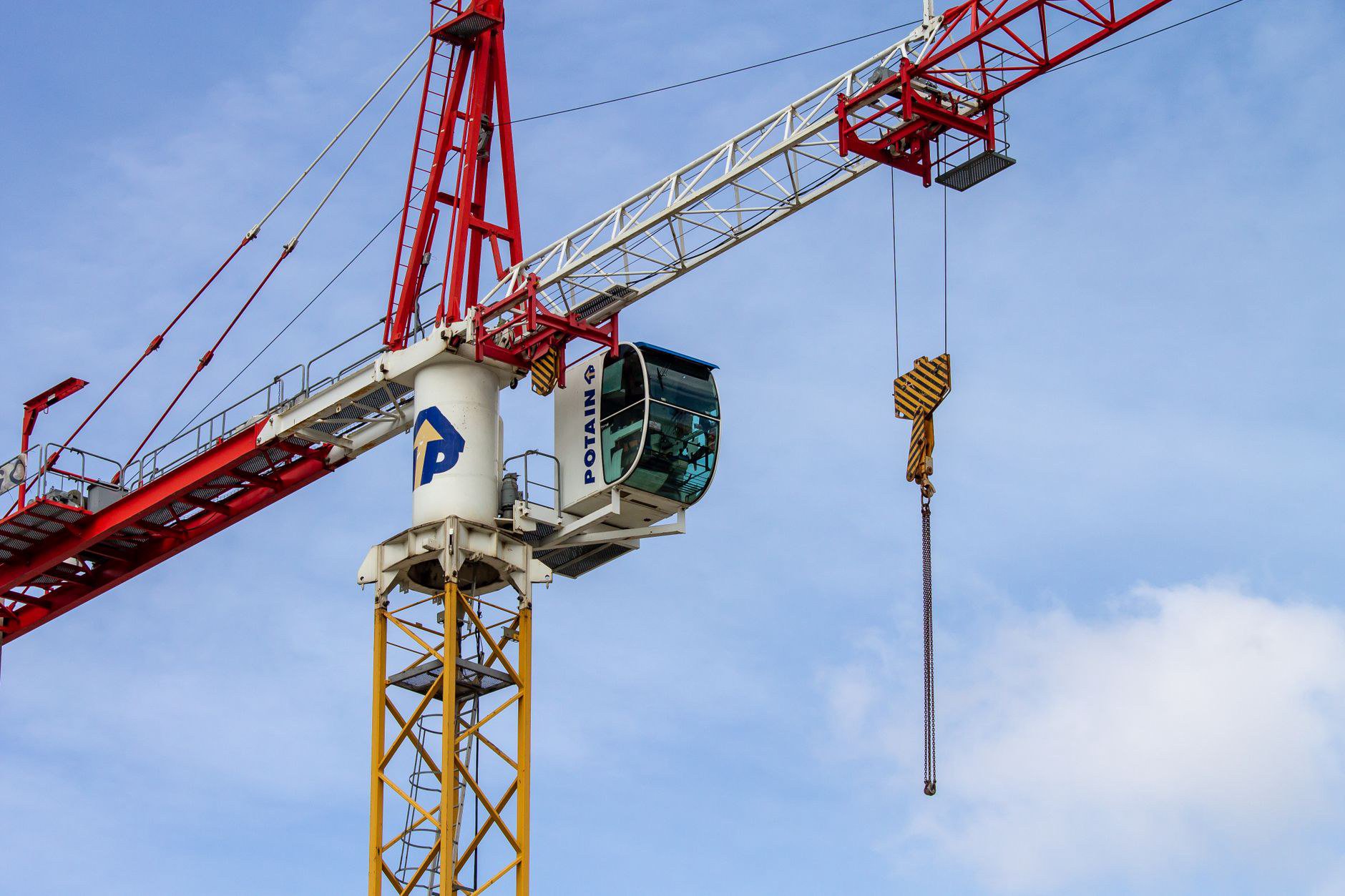
Moving multi-ton titanium billets and primary wing spar extrusions requires certified rigging procedures. Synthetic webbing slings must be inspected for frayed fibers, chemical degradation, or broken stitching before every lift. Riggers calculate center of gravity shifts carefully to avoid dynamic swinging during transit.
Overhead gantry crane operators undergo specialized recurrent simulator and practical qualifications. Radio remote control systems incorporate fail-safe emergency stop buttons and load-drop prevention interlocks. Designated safety exclusion zones keep ground personnel clear of suspended loads at all times.
Specialized handling fixtures feature rated lifting lugs verified through finite element stress analysis. Redundant positive-locking pins prevent accidental disengagement while hoisting contoured fuselage ring frames. These safety methods integrate with broader aviation technology innovations across modern aerospace plants.
Fixturing, Tooling Stability, and Clamping Safety
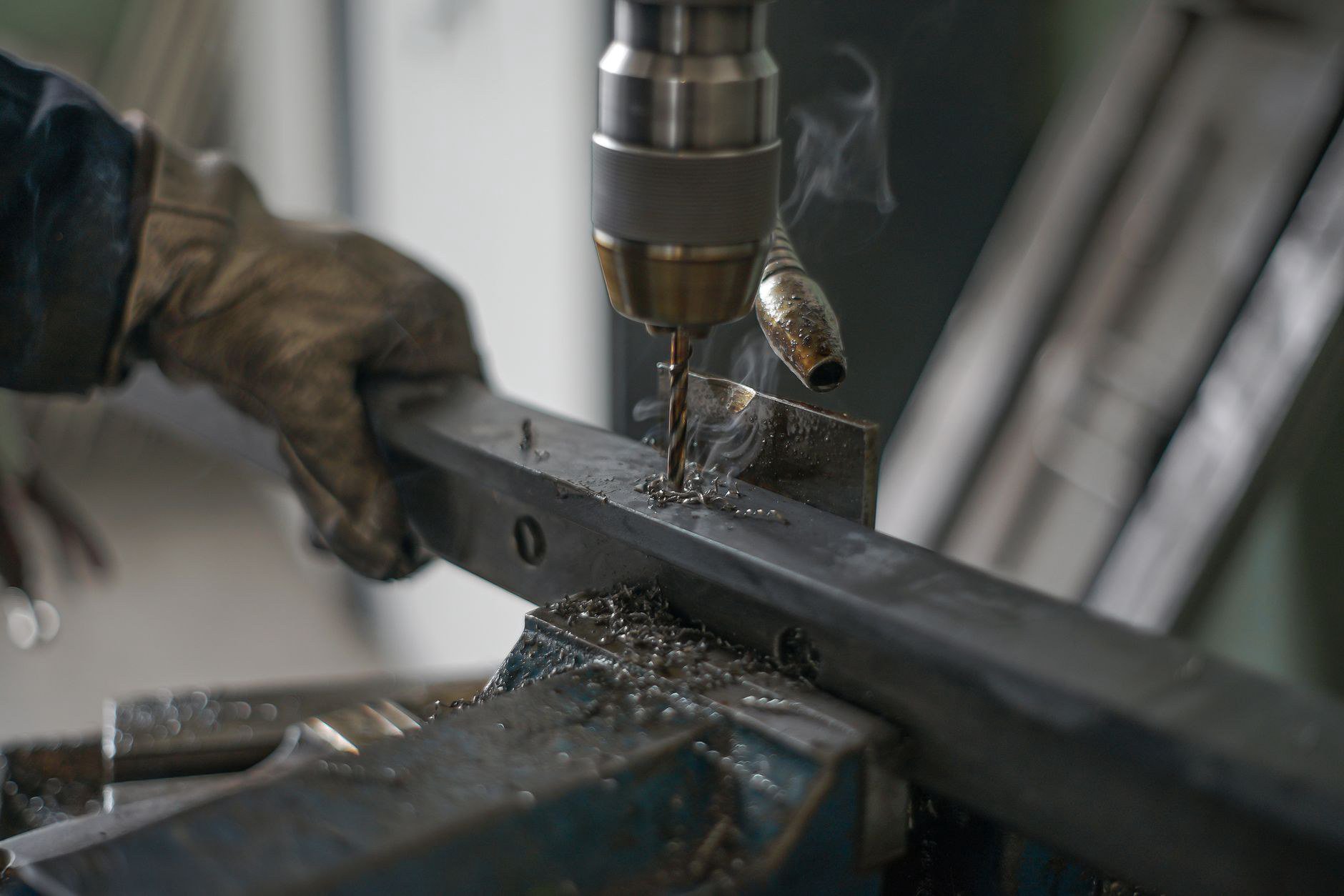
Heavy structural machining generates immense cutting forces that can dislodge poorly clamped workpieces. Modular hydraulic clamping systems utilize integrated pressure transducers that monitor clamping force continuously. If hydraulic pressure drops below critical safety thresholds, interlocked machine controls pause spindle rotation instantly.
Vibration dampening structures absorb high-amplitude harmonics during aggressive rough milling passes. Tooling engineers incorporate mechanical backup stops that resist cutting thrust independently of hydraulic clamp friction. These robust setups complement advanced engineering machining operations on large titanium forgings.
Ergonomically engineered fixture turntables allow technicians to rotate heavy bulkheads without manual physical strain. Pneumatic counterbalanced positioners prevent repetitive back injuries during long deburring shifts. Clean floor pathways around fixture tables eliminate slip, trip, and fall hazards entirely.
Thermal Stress Relief and Heat Treatment Hazard Control
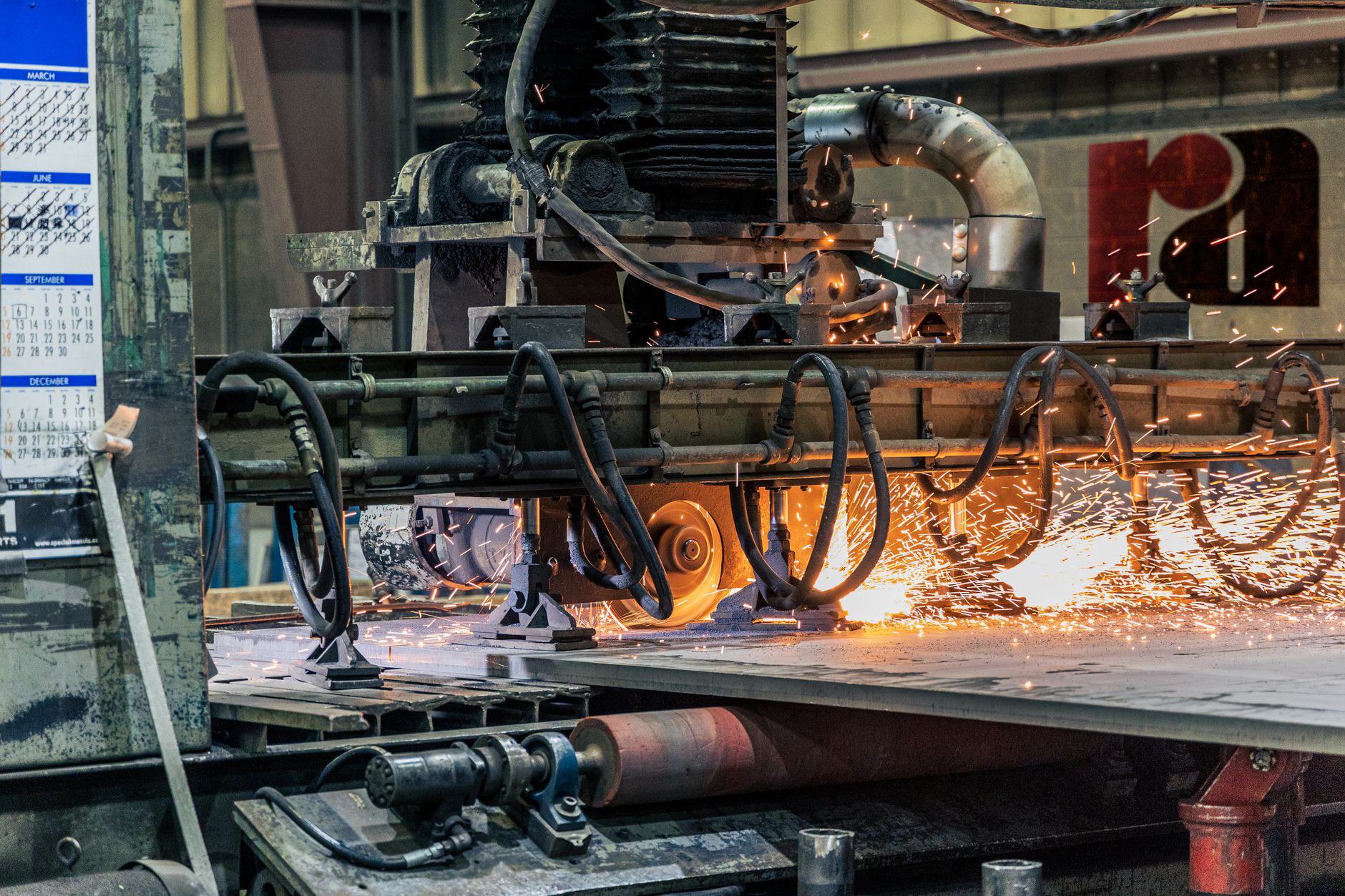
Large aerospace weldments accumulate high residual tensile stresses that require thermal annealing in massive furnaces. Large industrial ovens operate at temperatures exceeding 700 degrees Celsius under inert argon or nitrogen atmospheres. Confined space entry protocols govern all furnace maintenance procedures strictly.
Automated oxygen depletion sensors monitor air quality around furnace vestibules continuously. If inert purging gas leaks into occupied workspace aisles, audible and visual alarms activate instantly. Automated furnace doors feature mechanical drop-safety catches to protect technicians during loading cycles.
Heavy quench tanks containing synthetic polymers or agitated water present splash and steam burn risks. Automated crane dipping mechanisms ensure controlled immersion velocity without creating hazardous boiling surges. High-capacity extraction hoods capture escaping thermal vapors before they disperse into general plant air.
Combustible Metal Dust and Swarf Fire Prevention
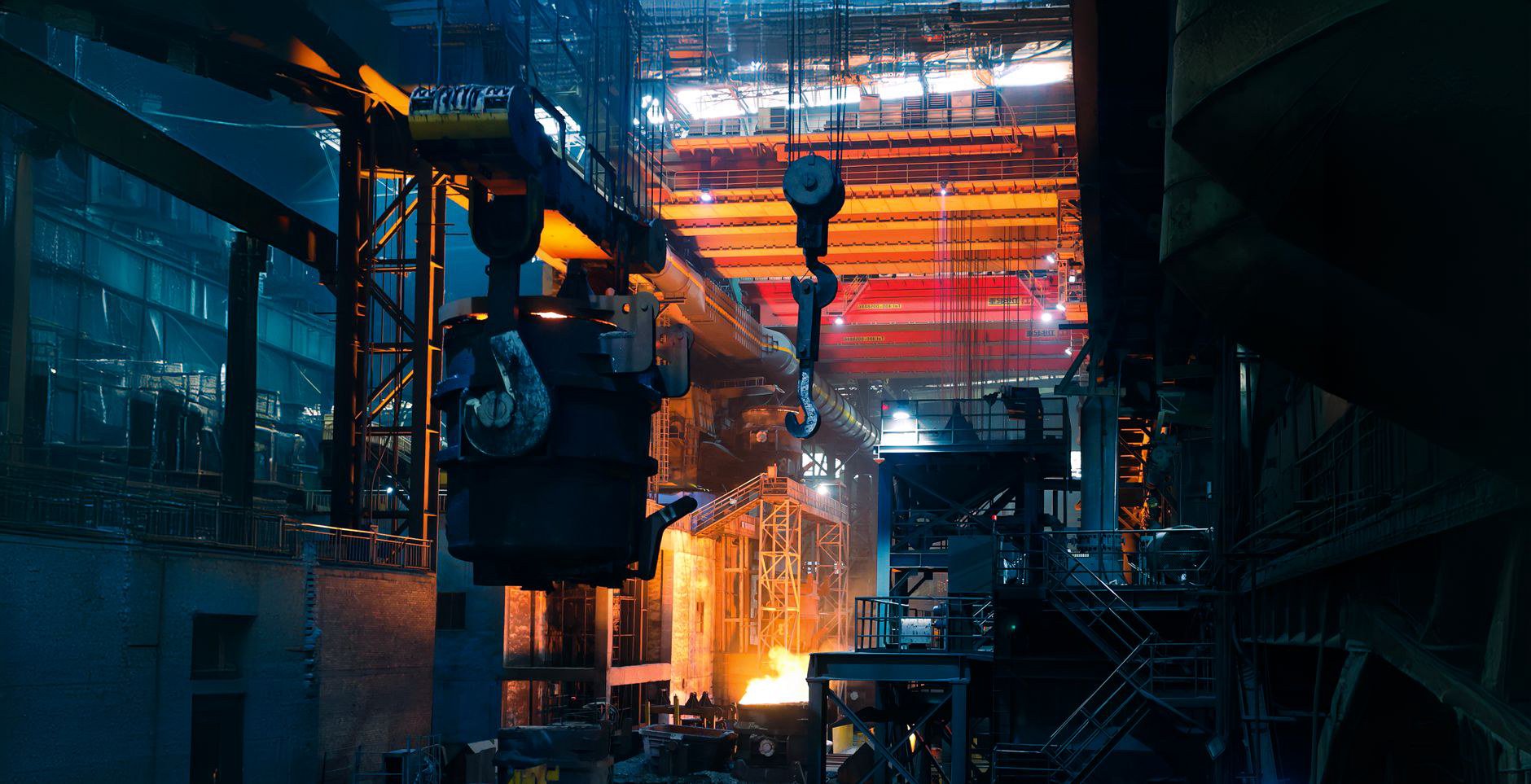
Machining and grinding titanium, aluminum-lithium, and magnesium alloys produces fine combustible dust and hot turnings. Airborne metal particles present catastrophic deflagration and explosive flash-fire hazards. Class D dry powder fire extinguishing agents must be stationed every ten meters along active machining rows.
Dedicated wet-dust extraction collectors draw grinding swarf directly through circulating water baths. Submerged metal particulate settles harmlessly into slurry collection sumps at the base of the unit. Hydrogen vent valves prevent explosive gas buildup resulting from metal-water electrochemical reactions.
Shop cleanliness standards require continuous vacuuming of machine enclosures using anti-static, explosion-proof industrial vacuums. Technicians must never use compressed air lines to blow dry metal chips off machine beds. High-pressure air blasts aerosolize fine dust clouds that ignite instantly from hot cutter sparks.
Ergonomics, Assembly Line Transport, and Ground Equipment
Fabricating large airframe structures requires sustained physical assembly inside deep fuselage cavities. Custom mobile access platforms equipped with self-closing safety gates provide secure working decks at elevated heights. Fall arrest harness systems anchor to overhead horizontal lifelines along the entire hangar bay length.
Automated guided vehicles and heavy multi-directional transporters move semi-completed assemblies across assembly bays smoothly. Optical laser scanners detect path obstacles and halt vehicle motion automatically to prevent collisions. Specialized ground support concepts like our modular engine stand design demonstrate the efficiency of tailored aerospace transport hardware.
Pneumatic lifting assists reduce operator exertion when positioning heavy hydraulic actuators and mechanical hinges. Torque-reaction arms absorb rotational recoil from high-torque pneumatic nutrunners. Proactive ergonomic engineering minimizes chronic musculoskeletal fatigue across extended manufacturing shifts.
Personal Protective Equipment (PPE) and Workshop Environmental Control
Heavy fabrication bays require multi-layered personal protective equipment tailored to specific operational hazards. High-impact ballistic eye protection shields machinists from flying chips and fragmented carbide inserts. Heavy composite-toe safety boots protect feet against dropped tooling and rolling stock.
High-noise environments produced by supersonic pneumatic grinders demand dual hearing protection combining earplugs and earmuffs. Ambient decibel monitoring identifies high-noise zones and triggers automated engineering acoustic baffles. High-volume air filtration units exchange hangar volume four times per hour to capture welding fumes.
Online media and engineering resources like Where to Find Free Images document how global manufacturing firms communicate visual hazard warnings across international shop floors. Standardized safety iconography ensures immediate comprehension across diverse, multilingual aerospace fabrication teams.
Safety Culture, Incident Reporting, and Digital Traceability
A resilient safety culture relies on transparent near-miss reporting and continuous operational learning. Technicians submit hazard observations using handheld digital tablets directly from active workstations. Plant safety committees analyze near-miss trends weekly to implement proactive engineering controls.
Digital lock-out tag-out protocols ensure heavy presses and high-voltage power supplies remain fully de-energized during maintenance. Smart electronic padlocks log technician IDs and access timestamps securely on central servers. Work permits authorize hazardous operations only after independent safety officers verify atmospheric tests.
Comprehensive safety training modules reinforce hazard awareness through immersive virtual reality simulations. Trainees practice emergency crane shutdowns, chemical spill containment, and confined space evacuations without real-world risk. Safety metrics feed directly into operational key performance indicators across the entire enterprise.
Conclusion
Upholding rigorous heavy structural fabrication aerospace safety protocols is the cornerstone of sustainable aerospace manufacturing excellence. By integrating robust lifting procedures, advanced fixturing, explosion prevention, and ergonomic design, plants protect their most valuable asset: their skilled workforce. Consistent adherence to safety disciplines guarantees that complex structural assemblies meet flight specifications without sacrificing worker health or factory productivity.